
Active Recovery Day Ideas at Home That Feel Easy
Active recovery day ideas at home that actually feel easy: simple ways to move, feel less stiff, and keep your routine alive without turning rest into a workout.
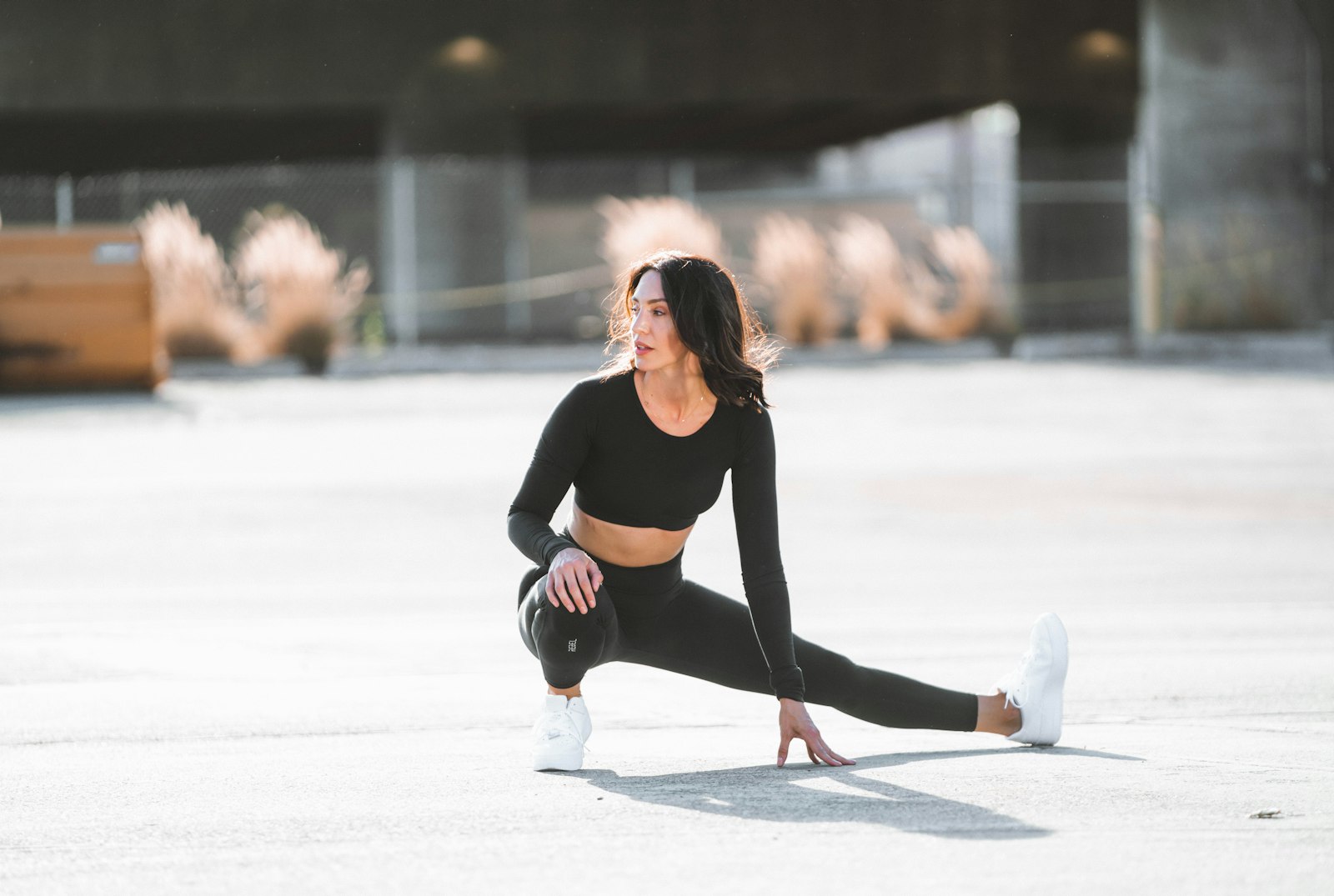
Active Recovery Day Ideas at Home That Actually Feel Easy
If you’re sore, a little cooked, or just not in the mood for a real workout, an active recovery day can keep you moving without turning your “rest” day into a sneaky leg day. That’s the whole point here: light, low-pressure movement that helps you feel less stiff, keeps the routine alive, and doesn’t ask your body for much.
Active recovery is not magic, and it’s definitely not supposed to feel like punishment in athleisure. It should feel easy. Really easy. The National Strength and Conditioning Association describes active recovery options as light cardio, bodyweight movement, or light resistance work, with low intensity as the point, not the challenge level. Public-health activity guidance lands on the same simple baseline: move more, sit less, and remember that some activity is better than none.
On this blog, that matters for another reason too: a rest day does not have to mean breaking momentum. If you use OgamicX, any light activity you log across training, nutrition, or fasting can keep the same unified streak alive, which is much kinder than the “miss one day and the whole chain dies” vibe a lot of apps create. OgamicX is free to download, no card, and this is exactly the kind of off day where the all-in-one setup makes more sense than juggling separate apps.
What counts as an active recovery day at home?
Think low intensity, low friction, low ego.
A good active recovery day usually means:
- you can breathe normally and talk the whole time
- you finish feeling a bit looser, not drained
- nothing is hard enough that you need to “push through”
- the goal is movement, not performance
The NSCA describes active recovery options as light cardio, bodyweight movement, or light resistance work, and specifically notes low intensity as the point. Treat that as the lane, not a loophole to do a full workout with softer branding.
That last part matters because “active recovery” gets oversold online. The evidence around recovery methods is mixed depending on the method, the workout, and what outcome you care about. One systematic review on recovery modalities after intense exercise found that different methods can change soreness, recovery perceptions, or performance outcomes in different ways, which is a fancy research way of saying: this is not a superpower button. Treat active recovery as a practical way to stay gently mobile and consistent, not as a hack that erases hard training.
11 active recovery day ideas at home
1. Easy walk, outside or laps indoors
This is the most boring answer, which is exactly why it works.
Take a 10- to 30-minute easy walk. Outside is great, but pacing around your building, hallway, yard, or even doing loops during a phone call still counts. Keep the pace casual enough that it feels almost too easy. If you finish thinking, “That barely counted,” you probably nailed it.
If you want the deeper case for why a day off does not mean total stillness, read do rest days break your workout streak.
2. Five to ten minutes of joint circles
This is the “I don’t want to do anything, but I can do something” option.
Pick a few areas that usually feel stiff:
- neck
- shoulders
- wrists
- hips
- knees
- ankles
Move each joint slowly through comfortable circles for 30 to 60 seconds. No forcing range. No trying to unlock a dramatic stretch. Just gentle motion. This kind of low-stakes movement can be enough to make you feel more human again after a heavy day.
3. Gentle stretching, not “deep stretch” cosplay
A short stretching session works well on recovery days as long as you keep it gentle.
Try 10 to 15 minutes total:
- calves against a wall
- hamstring stretch with a soft knee bend
- quad stretch holding a chair
- chest opener in a doorway
- seated figure-four or easy glute stretch
Important honesty break: stretching is not a miracle fix for soreness. That same systematic review on recovery modalities after intense exercise found mixed effects depending on the method and the outcome being measured. That doesn’t mean skip it. It means use stretching because it feels good and helps you move comfortably, not because a TikTok promised instant recovery.
4. Mobility flow for 8 to 12 minutes
Not yoga. Just plain mobility.
A simple at-home mobility flow could look like:
- cat-cow x 6 slow reps
- thoracic rotations x 5 per side
- hip circles x 8 per side
- ankle rocks x 10 per side
- bodyweight good mornings x 8
- wall slides x 8
Do one or two easy rounds. Stay smooth. No sweating contest. This is especially good if sitting all day makes you feel stiffer than the workout did.
5. Light chores that keep you on your feet
This one is underrated because it doesn’t feel “fitness enough,” which is exactly the mental trap a lot of people get stuck in.
On a recovery day, things like:
- tidying your room
- vacuuming
- laundry
- changing sheets
- light kitchen prep
- watering plants
can absolutely count as casual movement. It keeps you from going full statue mode and often feels better than lying down for six straight hours scrolling. The standard public-health advice here is refreshingly un-dramatic: move more, sit less.
6. Easy bodyweight movement snack
If you want something a bit more structured, do one tiny round of easy movements with lots of rest:
- 5 wall push-ups
- 8 chair squats
- 10 standing calf raises
- 20 to 30 seconds of marching in place
Then stop, or maybe do one more round if it still feels easy. This is not the day to turn “just a few bodyweight moves” into a circuit workout because your brain got competitive with itself.
A good rule: if your recovery session starts to feel like you should log it as a real workout, you probably overshot.
7. Stairs, but in grandma mode
If you have stairs at home or in your building, walk them slowly for 5 to 10 minutes.
Not intervals. Not sprints. Not “let me accidentally recreate a brutal lower-body finisher.” Hold the rail if you want. Pause whenever. The goal is just light circulation and a small change of position from sitting all day.
8. Dance around while doing something else
Put music on and casually move while:
- making coffee
- cleaning up
- waiting for food
- getting ready
- resetting your room
This sounds silly until you realize it’s one of the easiest ways to get movement without triggering the “ugh, a workout” resistance. And if you’re the kind of person who stays consistent by keeping things game-like instead of serious-serious, this works weirdly well.
9. Foam rolling, lightly
If you like foam rolling, recovery day is a decent time for a short, gentle pass over the areas that usually feel tight. Keep it brief and avoid turning it into a pain tolerance challenge.
Again, the systematic review on recovery modalities after intense exercise points in a modest, not-magical direction: some methods may help soreness perceptions for some people, but the results vary. So use it if it helps you. Skip it if it doesn’t.
10. Get your steps in the sneaky way
If a dedicated walk sounds annoying, break it up:
- 5 minutes after breakfast
- 5 minutes after lunch
- 5 minutes after dinner
- a lap around the room during calls
- standing up every hour for a short wander
This is especially good on days when you feel mentally flat. You do not need one perfect 30-minute block for the day to count.
11. Make it a “minimum viable movement” day
Some recovery days are less about soreness and more about not wanting to lose the thread.
Your only job is to pick the easiest possible option and do it for 5 minutes:
- walk
- stretch
- mobility
- light chores
- march in place
That’s enough. The win is showing up. If you tend to make all-or-nothing decisions with fitness, this kind of tiny day is often what saves the streak long term. For the mindset behind that, streaks beat willpower is the bigger idea.
How to know if your active recovery is too hard
This is the honest tradeoff section, because recovery days get accidentally ruined all the time.
Your session is probably too hard if:
- you’re breathing hard
- your muscles are burning
- you turn it into rounds, reps, and timers
- you finish more tired than when you started
- you need “motivation” to do it
Active recovery should lower the bar, not sneak it back up.
If you struggle with the guilt side of resting, you’ll probably also like do rest days break your workout streak, because a lot of the stress comes from thinking rest only “counts” if you earn it.
A simple at-home active recovery template
If you want one default plan, use this:
Option A: the easy reset
- 10-minute walk
- 5 minutes of joint circles
- 5 minutes of gentle stretching
Option B: the stuck-at-home version
- 5 minutes marching or pacing
- 8 minutes mobility
- 10 minutes light chores
Option C: the truly low-energy day
- 5 minutes total of any one:
- slow walk
- stretching
- pacing during a call
- one room tidy-up
That is enough for today.
Where OgamicX fits on recovery days
Recovery days are where all-in-one tracking quietly makes the most sense. Instead of thinking, “Well, I didn’t do a full workout, so I guess today doesn’t count,” you can log the light movement you actually did and keep the same unified streak alive. That includes the low-key days: a walk, a bit of casual movement, even the broader routine pieces you’re still keeping up with.
And because OgamicX is built around consistency, not perfection, Ogi can check in and nudge you when you’re going quiet without pretending to be some magic coach that auto-rewrites your whole plan. Different thing. Better thing, honestly. Free to download, no card.
The bottom line
The best active recovery day ideas at home are the ones you’ll actually do without bargaining with yourself for 45 minutes. Easy walk. Gentle stretching. Light mobility. Casual chores. A tiny movement snack. That’s the lane.
Your rest day does not need to be motionless, and your recovery day does not need to become a workout in disguise. Keep it genuinely easy, let the day be small, and count that as a win.
Keep going:

Written by
The OgamicX Team
Tips, guides, and insight on fitness, nutrition, fasting, and building habits that last — from the team behind OgamicX.
About OgamicXFound this useful? Share it.