
Beginner Strength Training for Women at Home
Beginner strength training for women at home starts with simple bodyweight moves, 2–3 short sessions a week, and progress you can actually stick with.
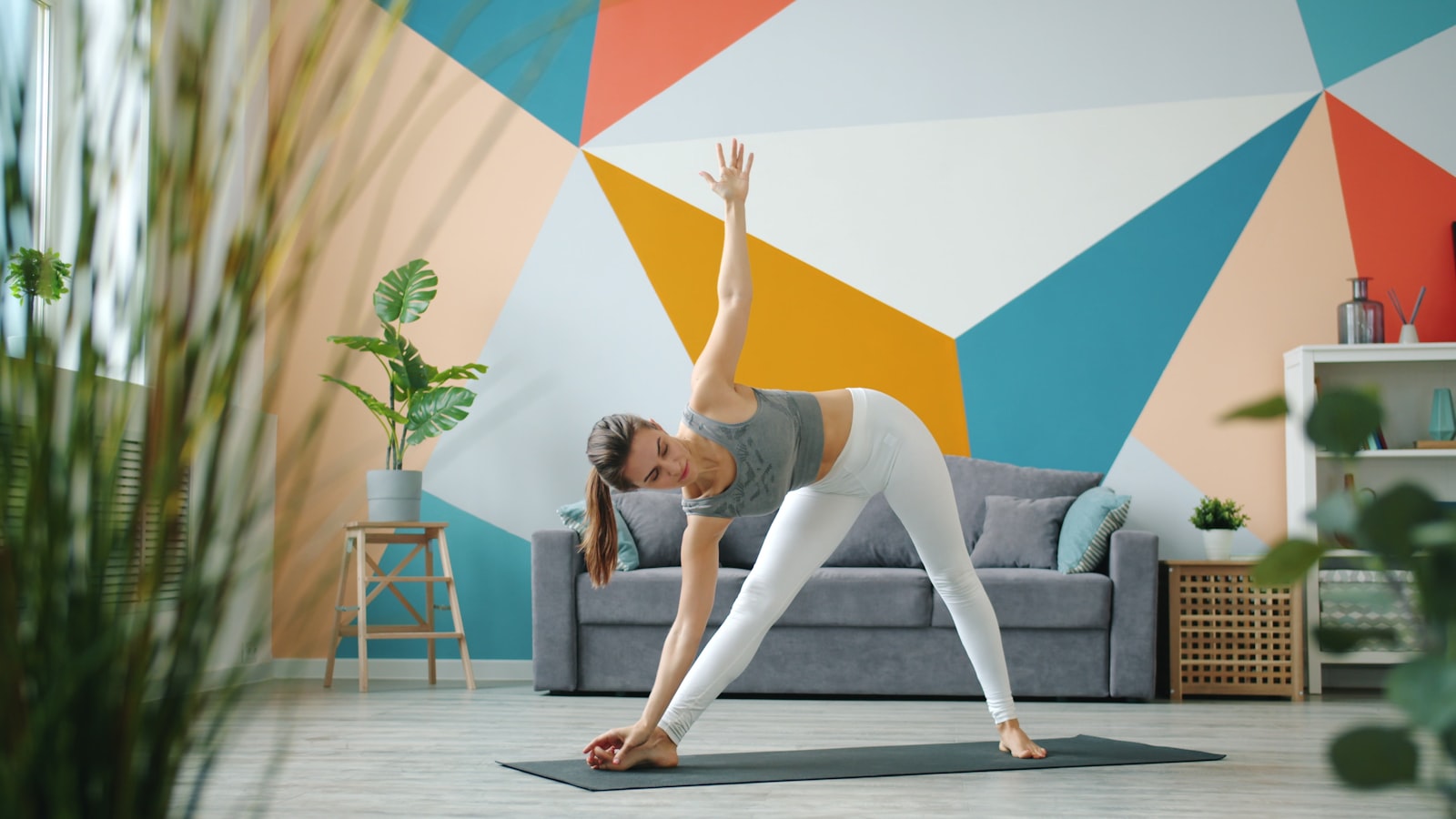
If you want to start strength training at home with no equipment, the goal is not to “go hard.” It’s to get stronger in a way you’ll actually keep doing next week.
A simple bodyweight routine, done two or three times a week, is enough to start building strength, confidence, and a real habit. Below, you’ll get a 20-minute beginner workout, a simple 4-week schedule, and how to make it easier or harder without equipment.
That lines up with CDC guidance for adults: adults should do muscle-strengthening work at least 2 days per week, and it does not require a gym.
For a lot of women, the hardest part is not the workout itself. It’s getting past the weird pressure around fitness content: too much aesthetic talk, too much “summer body” nonsense, too many routines clearly built for someone already fit.
This post is the opposite. We’re keeping it simple, bodyweight-only, beginner-friendly, and focused on something much more useful: feeling stronger in your actual life.
Why beginner strength training at home works
You do not need dumbbells, a bench, or a mirror selfie corner to begin. Bodyweight training can still work your major muscle groups when you use basic movement patterns like squats, pushes, hinges, core work, and supported single-leg work.
The guidelines care that you strengthen your muscles each week — not whether you own equipment. The CDC’s adult activity overview is simple on this point: muscle-strengthening activity belongs in the week, but it does not have to happen in a gym.
That matters because beginners usually benefit most from removing friction, not adding complexity. The big win is going from doing nothing to doing something consistently.
If you want the bigger picture on making home training actually last, read how to start working out at home.
What “strength training” means when you’re brand new
At beginner level, strength training does not have to look advanced. It usually means:
- using your bodyweight as resistance
- training the main movement patterns
- repeating them 2 to 3 times a week for a few weeks
- making small changes over time so the same moves get a little harder
For home beginners, that can be as simple as:
- squats to a chair
- wall or counter push-ups
- glute bridges
- split squat holds
- dead bugs
- planks
If that sounds almost too basic, good. Basic is where habits survive.
Beginner strength training for women at home no equipment: the starter plan
Here’s a clean place to start. Do this 2 to 3 days per week on non-consecutive days if you can. Keep the first two weeks deliberately easy. You are learning the movements and building the routine, not proving anything.
The 20-minute no-equipment beginner workout
If any move feels awkward or too hard, use the easiest version listed. That’s the point.
1. Chair squat or bodyweight squat
8 to 12 reps
2. Wall push-up or incline push-up on a counter
6 to 10 reps
3. Glute bridge
10 to 15 reps
4. Reverse lunge hold or split squat hold
15 to 20 seconds each side
5. Dead bug
6 to 10 controlled reps each side
6. Forearm plank or elevated plank
10 to 20 seconds
Rest 30 to 60 seconds between exercises as needed. Go through the circuit 2 rounds in week one. If that feels manageable, move to 3 rounds later.
How hard should it feel?
A beginner strength workout should feel like work, but not chaos. You want the last few reps to feel challenging while still looking controlled. If your form falls apart halfway through, the exercise is too hard right now. If you could do twenty more reps while scrolling your phone, it’s probably too easy.
A good beginner rule: finish most sets feeling like you could maybe do 2 or 3 more reps. That gives you enough effort to improve without turning every session into a life event.
The best beginner bodyweight exercises for women at home
These are good starting moves because they’re scalable, practical, and don’t ask for much setup.
1. Squat
Why it matters: helps build leg and hip strength for everyday movements like sitting, standing, and stairs.
Start here:
- sit down to a chair, then stand up
- use your arms for balance if needed
Make it harder:
- regular bodyweight squat
- pause at the bottom
- slower lowering phase
2. Push-up
Why it matters: trains chest, shoulders, arms, and core.
Start here:
- wall push-up
- hands on kitchen counter
- hands on a sturdy table
Make it harder:
- incline push-up on a lower surface
- knee push-up
- full floor push-up
The NHS strength exercises guide both include easier home-friendly press-up variations, which is a helpful reminder that easier versions still count.
3. Glute bridge
Why it matters: builds hip strength and teaches you to use your glutes instead of letting everything become a low-back situation.
Start here:
- both feet on floor
- lift hips slowly
- pause for one second at the top
Make it harder:
- longer holds
- slower reps
- single-leg variations
4. Split squat hold or supported lunge
Why it matters: builds leg strength, balance, and control one side at a time.
Start here:
- hold onto a wall or chair
- take a small split stance
- bend slightly and hold
Make it harder:
- deeper range
- more time under tension
- full split squat reps
5. Dead bug
Why it matters: teaches core stability without turning ab work into neck pain and regret.
Start here:
- move one arm and one leg slowly
- keep your lower back gently braced
Make it harder:
- slower tempo
- longer exhale on each rep
- more reps per side
6. Plank
Why it matters: builds trunk strength and teaches bracing.
Start here:
- hands elevated on a couch or bench
- short holds with good posture
Make it harder:
- forearm plank on floor
- longer holds
- shoulder taps
A simple 4-week beginner strength schedule
You do not need a twelve-week spreadsheet to start. Use this:
Week 1
- 2 workouts
- 1 to 2 rounds each
- stop early if needed
Week 2
- 2 workouts
- 2 rounds
- add a few reps where you can
Week 3
- 3 workouts
- 2 to 3 rounds
- slightly longer planks or holds
Week 4
- 3 workouts
- 3 rounds
- choose one exercise to progress
That progression is intentionally boring. Boring is good. Boring is how habits get built.
How to progress with no equipment
This is the part people get stuck on. They think no equipment means no way to get stronger. Not true.
Beginners can progress bodyweight training in a few simple ways:
Add reps
If you did 8 good squats last week, try 10 this week.
Add a round
Go from 2 rounds to 3.
Slow the lowering phase
Take 3 seconds to lower into the squat or push-up.
Add a pause
Pause at the bottom of the squat or at the top of the bridge.
Reduce support
Move from wall push-ups to counter push-ups. From chair squats to free squats.
Increase range of motion
Go a little deeper on the split squat when it feels safe and controlled.
You do not need to change everything at once. Pick one variable and keep the session recognizable.
The honest tradeoffs of home bodyweight training
Home training is great for starting, but honesty helps more than hype.
What it does really well
- makes it easier to begin
- removes travel and gym anxiety friction
- builds baseline strength and consistency
- works well for learning movement patterns
What it does less well
- gives you fewer progression options than a full gym
- can feel repetitive if you never change the exercises
- eventually may need external load if you want more advanced strength work
That does not mean bodyweight is “just toning” or somehow fake strength work. It means it’s an excellent beginner tool and a very realistic long-term option for plenty of people.
If your goal right now is to feel stronger, move better, and become someone who actually trains, it’s enough.
Common mistakes beginners make
Starting too hard
The classic move is doing an online “beginner” workout that is secretly not for beginners, then being wrecked for four days.
Fix: leave the first week feeling like you could have done a little more.
Switching routines constantly
A new YouTube video every day feels productive. It usually isn’t.
Fix: repeat the same 5 to 6 movements for a few weeks so your body can learn them.
Thinking soreness equals success
Soreness can happen, especially when you’re new, but it is not the goal and it is not a scorecard.
Fix: judge progress by consistency, control, reps, and how the movements feel.
Waiting for motivation
You probably won’t feel dramatically inspired at 6:30 p.m. on a Tuesday.
Fix: make the workout small enough that starting feels possible.
If that part hits a nerve, streaks beat willpower is the deeper read.
How to make beginner strength training stick
This is the part that matters most.
Public-health guidance says adults should include muscle-strengthening work at least twice a week. The real challenge is not knowing that. It’s remembering, starting, and staying with it when life gets noisy, as the CDC guidelines for adults lay out.
A few things help:
- attach the workout to an existing cue: after coffee, after work, before your shower
- keep the session short enough to avoid bargaining with yourself
- use the same time slots each week
- track your sessions so you can see momentum building
- count a scaled-down version as a win instead of skipping entirely
That last one matters more than people think. The win is showing up, not the size of the session.
If you’re pregnant, postpartum, injured, or dealing with pain
This post is for general beginners, not medical situations. If you’re pregnant, postpartum, have an injury, or have health conditions that change what exercise is appropriate, use guidance tailored to that situation. It notes that moderate-intensity activity is generally safe for healthy pregnant and postpartum women, but the right specifics can still be individual.
Where OgamicX fits
If planning is the part that keeps stopping you, OgamicX can help by giving you beginner-friendly home workout templates and simple tracking in one place.
The useful part is structure: open the app, pick a beginner-friendly session, do it, and log it without juggling multiple tools.
A good first-week goal
Don’t aim to become “a strength-training person” by Friday. Aim for this:
- 2 workouts this week
- 20 minutes or less each
- finish feeling successful, not crushed
That is enough to start. In fact, for most beginners, that’s the exact amount that works.
The bottom line on beginner strength training for women at home no equipment
Beginner strength training for women at home with no equipment works best when it stays simple: a few foundational bodyweight moves, done two or three times a week, with easy progress over time.
You do not need a gym, and you definitely do not need fitness content that makes you feel behind before you’ve started. Adults are recommended to do muscle-strengthening activity at least 2 days a week, and gentle home-based strength work still counts toward that bigger picture, as the CDC adult activity guidance explains.
Start with squats, push-ups, bridges, split-stance work, and core stability. Keep the workouts short. Repeat them long enough to get better at them. Build the habit first.
Stronger comes after that — and then, quietly, because you kept showing up, it arrives.

Written by
The OgamicX Team
Tips, guides, and insight on fitness, nutrition, fasting, and building habits that last — from the team behind OgamicX.
About OgamicXFound this useful? Share it.