
How to Beat the Afternoon Slump Without Coffee
How to beat the afternoon slump without coffee: use light, movement, short breaks, and a smarter setup to get through the 2–3pm crash without grinding.
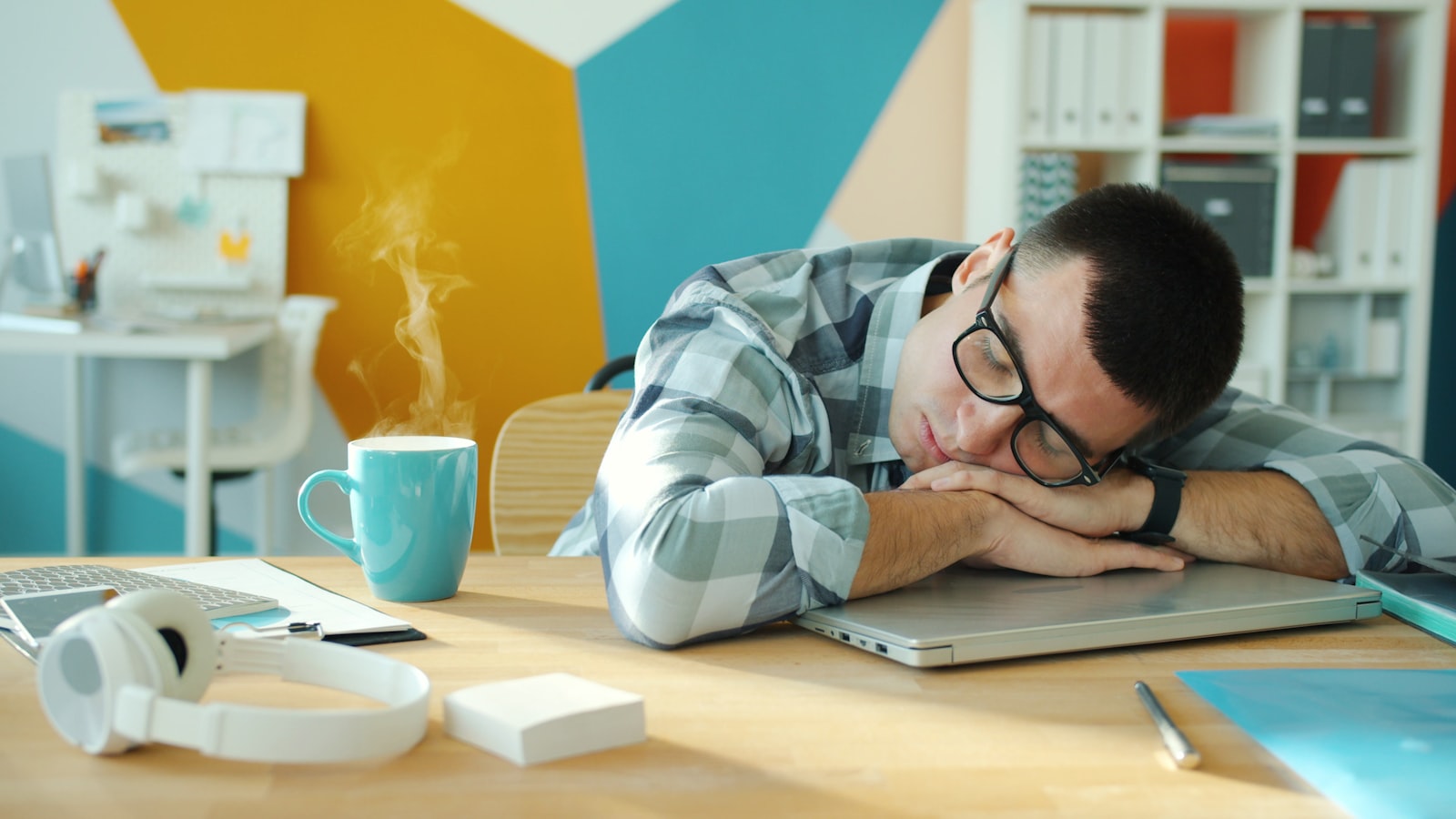
That 2–3pm crash is real. You eat lunch, answer three emails, and suddenly your brain starts loading like bad Wi‑Fi. The easy move is another coffee. Sometimes that’s fine. But if the third cup is messing with your evening, making you jittery, or just not working anymore, there are a few better levers to pull first.
The short version: the afternoon slump is partly built into how human alertness works, not proof that you’re lazy or bad at discipline. Research on the post-lunch dip describes a real early-afternoon drop in alertness and performance that is not fully explained by food alone, but tied in part to circadian rhythm too. That matters, because it shifts the solution from “try harder” to “make the next step easier” with research on the post-lunch dip and a setup that lowers friction.
Why the afternoon slump hits so hard
A lot of people blame lunch, and lunch can matter. But the slump itself is not just “you ate carbs.” Research has described a genuine early-afternoon dip in alertness and performance as part of normal daily rhythm, often strongest in the early afternoon, which is why the same hour can feel weirdly flat even on days when lunch was not especially dramatic in the first place. That pattern shows up in this overview of the post-lunch dip.
That matters because it changes the tone of the solution. If the problem were purely moral weakness, you would need more discipline. If the problem is that your brain and body predictably get a little flatter at that time of day, the better answer is to lower the activation energy.
In other words: do not fight the slump like it insulted your family. Change the environment around it.
The best no-coffee fix: move for 2 to 10 minutes
If you do one thing after reading this, make it this: stand up and move before you reach for caffeine.
There is decent evidence that breaking up long sitting with brief bouts of light walking can reduce self-reported fatigue in the short term. In a randomized crossover trial, interrupting prolonged sitting with brief light-intensity walking bouts improved fatigue versus uninterrupted sitting, which is exactly why a tiny reset can work better than trying to white-knuckle your way through brain fog. The useful bit is not “do a full workout.” It is “change your state” with brief light-intensity walking breaks.
Try one of these:
- a brisk 5-minute walk
- two minutes of stairs
- one song of marching in place
- 10 squats, 10 desk push-ups, 10 lunges
- a lap around the block with no phone
The goal is not calories, punishment, or making up for lunch. The goal is to tell your nervous system: we are not fully shutting down at this desk.
A simple 5-minute slump reset
If you want something concrete, use this:
- Stand up immediately.
- Get bright light if you can — outside beats inside.
- Walk briskly for 3 minutes.
- Do 60 seconds of simple movement: squats, calf raises, arm circles, anything.
- Drink some water.
- Come back and start with the smallest task on your list.
That is it. Tiny, slightly boring, weirdly effective.
If you want a fuller version of this idea, it fits naturally with the same logic as 5-minute movement break for energy: lower the bar, create momentum, then let action do the rest.
Light helps more than people think
If you are slumping in a dim room, your environment may be helping the crash along. Experimental research on the post-lunch dip found that bright light exposure in the early afternoon improved some measures of fatigue, vigilance, and cognitive flexibility, which is a fancy way of saying that going outside or getting near stronger daylight is not a fake wellness ritual — it can genuinely help. That is the practical takeaway from this bright-light study on the post-lunch dip.
This is one of those fixes that sounds too simple, then works better than expected.
Practical version:
- go outside for 5 to 10 minutes
- if you cannot, move near a bright window
- take calls standing up by natural light
- avoid spending your whole afternoon in overhead-cave mode
Is the evidence here massive and perfect? No. It is promising, practical, and low-risk for a normal low-energy day. That is enough to make it worth trying.
Take a real break, not a fake one
A fake break is opening another tab and scrolling while still half-working. Your brain does not find this deeply restorative.
A real break changes something:
- posture
- visual distance
- location
- task type
- pace
Even five minutes helps if it is actually a break. Stand up. Look far away instead of 14 inches in front of your face. Walk to get water. Step outside. Put your phone down for the whole break if you can manage it.
The reason this works is not magical productivity lore. It is simpler: when you have been sitting still and cognitively grinding for hours, a brief reset often works better than trying to force clean thinking out of a foggy brain.
Eat lunch like you want a usable afternoon
This is where people usually want a perfect anti-slump meal formula. There really is not one. But there are a few sensible patterns.
Sleep Foundation notes that post-meal sleepiness can be influenced by meal timing and circadian rhythms, and recommends smaller balanced meals, hydration, and a light walk or sun exposure as practical ways to counter fatigue after eating. It also notes that persistent excessive tiredness can have other causes outside the scope of a normal afternoon-slump article, which is a useful honesty check here. That is the practical frame in their guide to sleepiness after eating.
So the honest advice is:
- do not go from forgot to eat to accidentally had a festival
- include some protein and fiber
- drink water earlier, not just when you already feel wrecked
- if lunch reliably knocks you flat, notice the pattern and test smaller or simpler meals
This is not a moral issue either. It is just useful troubleshooting.
If you can nap, keep it short
Not everyone can disappear at 2:15pm for a nap without getting fired or judged by a Slack notification. But if you can nap, short naps can help.
Research on the post-lunch dip found that a short afternoon nap improved fatigue and some measures of performance, while the general practical lesson from this area is that shorter naps are usually the cleaner reset if your goal is to wake up functional rather than confused. That is the useful part of this nap-and-bright-light study.
So:
- if you nap, keep it short
- set an alarm before you lie down
- give yourself a few minutes after waking before expecting genius
This is a good tool. It is not mandatory. For a lot of people, light plus movement is more realistic.
Do not schedule your hardest work at your flattest hour
This sounds obvious, but most of us keep acting surprised when deep-focus work feels brutal at the exact hour it always feels brutal.
If your schedule has any flexibility, try this:
- put your most demanding task before lunch
- use early afternoon for admin, meetings, light planning, or cleanup
- slot a walk or movement break right before the work block that usually goes sideways
You are allowed to build around your own pattern. That is not laziness. That is strategy.
This is also where the idea from motivation vs discipline matters: systems beat vibes. You do not need to feel inspired at 2:37pm. You need a repeatable next move.
The streak-friendly way to think about low-energy afternoons
Here is the part people miss: a slump-buster can also be a streak-keeper.
If your energy is low, the win is not forcing a heroic session you hate. The win is keeping the chain alive with something small and real. A brisk walk, five minutes of movement, a short home circuit — that still counts as showing up. That is the whole logic behind low-friction consistency.
It also fits the bigger question behind this post: what do you do when you want to move, but your energy is on airplane mode? The answer usually looks a lot like the one in how to work out when you have no energy: shrink the task until it feels almost too easy to skip.
OgamicX fits here pretty naturally. The app’s unified streak means a small movement-based reset can still keep your streak alive, and Ogi can check in when your consistency starts wobbling. It’s free to download and doesn’t require a card to start, which makes it easy to use as structure instead of turning it into a whole commitment ceremony. The point is accountability and gentle nudges across your day — not pretending the app auto-adjusts your plan behind the scenes.
When not to treat this like a just-try-harder problem
This post is about ordinary low-energy afternoons, not chronic exhaustion or anything medical. If you are having persistent excessive daytime sleepiness or the crash feels bigger than a normal 2–3pm dip, that is a different conversation. Sleep Foundation notes that ongoing excessive tiredness can sometimes reflect underlying issues and may warrant proper medical evaluation, which is the right place to keep this article honest and in-bounds with their guidance on sleepiness after eating.
So keep the frame honest:
- occasional slump: behavioral levers can help
- constant exhaustion: do not reduce it to hacks
That distinction matters.
A simple afternoon-slump plan you can actually keep
If you want this in one screenshot-able routine:
When the 2–3pm crash hits
- drink water
- get bright light
- walk for 5 minutes
- do 1 minute of simple movement
- start with your easiest useful task
- save another coffee for only if you still want it after that
That is the whole play.
Caffeine is not evil. Coffee is not your enemy. But if you want another option, the best first move is usually not more stimulation. It is a small state change: stand up, get light, move a little, and give yourself a real reset instead of trying to grind through fog.
That kind of fix is unsexy, which is probably why it works.
Keep going:

Written by
The OgamicX Team
Tips, guides, and insight on fitness, nutrition, fasting, and building habits that last — from the team behind OgamicX.
About OgamicXFound this useful? Share it.