
How to Exercise With a Toddler Around
How to exercise with a toddler around: build short, pause-friendly bodyweight workouts that survive interruptions and still keep your routine alive.
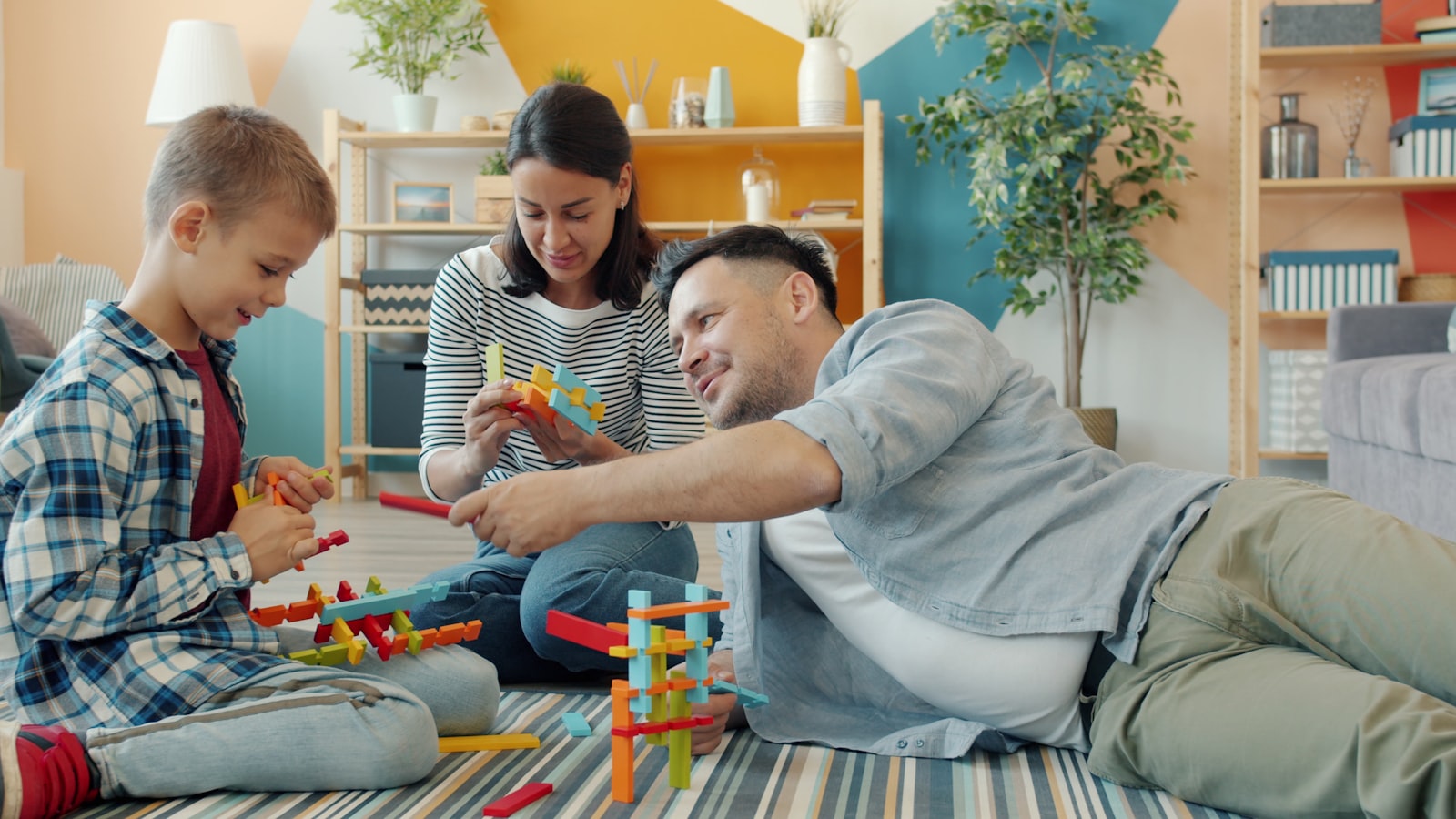
If you’re waiting for the perfect quiet window to work out, a toddler will humble you fast. The better plan is usually not “escape and do a full session later.” It’s “build a workout that survives interruptions, includes floor play, and still counts if you only get six decent minutes in.” That’s how to exercise with a toddler around: short bodyweight blocks, low setup, zero drama if you have to pause halfway through.
This also fits real life better than the all-or-nothing version. U.S. physical activity guidelines recommend that adults work toward at least 150 minutes of moderate-intensity activity a week plus muscle-strengthening activity at least 2 days a week, and they also explicitly say inactive adults can start with small amounts and build up over time in a way that works for real life. For preschoolers, the guidance is simpler: kids ages 3 to 5 should be active throughout the day, and caregivers are encouraged to get them moving through play. That makes the tiny, messy, toddler-around version more legitimate than it looks on paper the federal Physical Activity Guidelines Q&A and CDC’s child activity guidance.
The trick is not “ignore your toddler”
The problem usually isn’t that you’re bad at routines. It’s that most workout advice assumes someone else is watching the kid, the room stays still, and nobody suddenly needs a snack shaped like the moon.
Toddlers don’t do “please give me 25 uninterrupted minutes.” They do curiosity, copycat behavior, random climbing, and immediate emotional weather changes. So the best workout for this stage has a few non-negotiables:
- No equipment
- Easy to pause
- Mostly in one small area
- Bodyweight and floor-based
- Simple enough that a toddler can mimic pieces of it
- Short enough to finish in fragments
That last part matters more than people think. Research on parent-child shared physical activity treats co-activity as a promising route because it works with family life instead of pretending family life isn’t happening. The evidence is still developing, so this is not a magic hack. It is just a design that makes sense for the stage you’re in a trial protocol on parent-child co-activity.
What counts as a workout when a toddler is awake?
More than you think.
If you do:
- 10 squats while they stack blocks,
- 8 incline push-ups on the couch during a cartoon song,
- a 30-second plank while they crawl under you like it’s a tunnel,
- 12 glute bridges while they “count” to seven and then yell “ten,”
that is not fake exercise. That is exercise in the life stage you’re actually in.
The goal here is repeatable mini-sets, not a cinematic perfect session. If you can string together 3 to 5 movement blocks across the morning or evening, you’ve done real work. And if your toddler is preschool age, joining your movement play is a perfectly good fit for their stage too, because children ages 3 to 5 are meant to be active across the day rather than only in one formal slot CDC’s guidance for children ages 3 to 5.
The best types of exercises with a toddler underfoot
You want movements that are stable, low-fuss, and easy to restart.
1. Squats
Toddlers understand squats instantly because they look like “sit down, stand up.” You can do bodyweight squats while they copy you, hold a toy at chest height, or pretend you’re both frogs.
Good toddler version:
- “Let’s do 5 frog squats”
- Pause
- Do another 5 later
2. Glute bridges
These are great because you’re already on the floor, which toddlers like. They can sit beside you, copy badly in a cute way, or drive a toy car over your legs while you do reps.
Try:
- 10 to 15 reps
- brief pause at the top
- repeat once if the room allows it
3. Bird dogs
Slow, controlled, low-space. Toddlers often think this is a game because you’re balancing like an animal.
Cue it like:
- “Can you make a long arm and a long leg?”
- Do 5 per side
4. Dead bugs
Another floor move that looks funny enough to keep a kid interested. Also useful because you can stop at any second without dropping anything or losing your place.
5. Incline push-ups
Use a couch, sturdy counter, or wall. Floor push-ups and toddlers can mix fine too, but incline versions tend to be easier to resume when you’ve just been interrupted by a very urgent request to examine a sticker.
6. Marching, step-touches, and bear crawls
These are less “strength set,” more “movement burst,” but they work well when your toddler wants in. March together, step side to side, crawl across the room and back. Kids love imitation, and observational research has found associations between parents’ activity levels and preschool children’s activity levels. That does not mean every child copies every time, but it supports the basic idea that parent modeling matters.
A simple toddler-around workout you can actually use
Here’s a version built for the kid-is-awake scenario.
The 10-minute loop
Set no timer if timers stress you out. Just move through the list once, pause as needed, and come back.
- Bodyweight squats – 10 reps
- Incline push-ups – 8 reps
- Glute bridges – 12 reps
- Bird dogs – 5 per side
- March in place or step-touch – 45 seconds
- Dead bugs – 6 per side
Rest whenever your life requires it. Then repeat the loop if you get another window.
If your toddler melts down after move three, you still did move three. That is the mindset shift.
If you want the quieter-house version for a longer block, read how to work out during nap time.
How to involve your toddler without turning it into chaos
Not every kid wants to “work out.” Most want to join whatever weird thing you’re doing for about 20 seconds, then wander off and come back holding a spoon. Perfectly fine.
A few ways to make it easier:
Let them mimic, not “train”
You’re not coaching form. You’re giving them a role.
Try:
- “Can you copy mommy/daddy?”
- “Let’s do animal steps”
- “Can you count my squats?”
- “Can you crawl under my bridge?”
This works better than trying to force a structured mommy-and-me routine.
Use tiny rep targets
Toddlers understand small missions.
Better:
- 5 squats
- 10-second plank
- 1 crawl to the couch and back
Worse:
- 3 sets of 15 while mommy focuses
Small targets are easier for you too. The federal guidance for adults explicitly says inactive people can start with small amounts and build up over time the federal Physical Activity Guidelines Q&A.
Keep one “yes” station nearby
A basket of safe toys, books, blocks, or soft things on the floor buys you enough time for one set. You’re not aiming for total independence. You’re buying 45 to 90 seconds.
Use songs as built-in intervals
One song = one movement block. Toddlers already understand songs ending. That makes them better timers than most fitness apps, honestly.
The honest tradeoff
This kind of workout is rarely your most focused workout.
You may not hit your ideal intensity. You may pause every two minutes. You may forget what rep you were on because someone handed you a sock and said it was soup.
That doesn’t mean this approach is worse than waiting. Usually it’s better than waiting for a perfect nap, then skipping the whole day when the nap is short, late, or mysteriously canceled by toddler politics.
The win in this season is continuity. You are protecting the habit. You are teaching your kid that movement is a normal part of home life. And you are lowering the bar enough that the workout actually happens.
If the bigger struggle is keeping the habit alive when life is chaotic in general, read how to keep a workout habit when life gets busy.
How to make progress when workouts are this fragmented
You do not need a perfect 30-minute block to progress. You need a plan simple enough to repeat.
Use one of these progress levers:
Add a round
If you usually do one loop, do two.
Add reps
Turn 8 incline push-ups into 10. Turn 10 squats into 12.
Slow the movement down
A slower squat or bridge can make a short set more useful without adding complexity.
Reduce the setup friction
Same mat. Same corner of the room. Same five moves. Less deciding, more starting.
That’s also why pause-and-resume formats work so well here. When your workout lives in tiny blocks instead of one fragile perfect session, interruptions stop feeling like failure and start feeling normal.
Safety and sanity rules for the toddler-underfoot workout
A few obvious but important ones:
- Pick a clear floor area with as little clutter as possible.
- Skip anything that needs fast direction changes in a crowded room.
- Avoid exercises where you can’t stop quickly.
- Don’t turn your child into equipment.
- Keep it bodyweight, controlled, and low setup.
- If they’re suddenly clingy, swap the plan for a walk, march-in-place, or floor play movement.
The goal is not squeezing a “hardcore” session out of chaos. It’s making movement doable in a room another small human is actively rearranging.
What to do on the days it falls apart anyway
Some days, the toddler wins. Respectfully, completely, overwhelmingly wins.
On those days, shrink the target to one of these:
- 5 squats + 5 incline push-ups
- 1 minute of marching
- 10 glute bridges
- one song of movement
- one floor circuit before bath time
That still protects the routine. The U.S. guidelines are clear that inactive adults can start small and build up over time, rather than waiting for ideal conditions the federal Physical Activity Guidelines Q&A.
Where OgamicX fits
This is one of those situations where an all-or-nothing workout app usually makes things worse. If the session assumes one uninterrupted block, toddler life breaks it on contact.
OgamicX fits this stage better because the useful version isn’t “do an epic session.” It’s short no-equipment training you can pause and come back to. And if your day ends up being three mini-sets instead of one polished workout, that still counts toward the same unified streak. A quick bodyweight block, a logged meal, or a closed fasting window all keep the chain alive in one place.
That matters when your life is split into tiny windows. You don’t need five separate apps and five broken streaks to remind you the day got messy. You need one place that can handle messy.
It’s free to download, no card, and that’s probably the right time to use it: not when life gets calmer, but now, while the toddler is literally on the floor beside you handing you a block during glute bridges.
When to use this instead of nap-time workouts
Use the toddler-around version when:
- naps are inconsistent,
- your kid resists solo play,
- you’re home alone,
- you keep waiting for a “better” window that never arrives,
- or you just want movement to happen earlier in the day.
Use the nap-time version when:
- you want a more focused uninterrupted session,
- your toddler naps reliably,
- or you want slightly longer circuits.
They solve different problems. This one is for the you-can’t-get-away day. The nap-time post is for the finally, the house is quiet day.
The bottom line
If you’re trying to figure out how to exercise with a toddler around, don’t wait for perfect conditions. Build a workout that expects interruptions, uses simple bodyweight and floor moves, and lets your kid copy, count, crawl, and drift in and out.
That’s not a backup plan. For this stage of life, it’s often the plan that actually works.
And honestly, that’s the one worth keeping.

Written by
The OgamicX Team
Tips, guides, and insight on fitness, nutrition, fasting, and building habits that last — from the team behind OgamicX.
About OgamicXFound this useful? Share it.