
How to Not Break a Workout Streak: Survive Bad Days
How to not break a workout streak: set a floor low enough to survive your worst day, automate the decision, and never miss twice. Build a streak that lasts.
You don’t break a workout streak on the day you skip. You break it weeks earlier — the moment you quietly decided that “a workout” means a full hour at the gym. Then a Tuesday shows up with forty spare minutes and no willpower left, and the rule you set can’t survive it.
A streak almost never dies because you’re lazy. It dies because the rules you set for it assumed every day would be a good day. Good days are easy. The whole skill of keeping a streak alive is engineering it to survive the bad ones — so the real answer to how to not break a workout streak isn’t more willpower, it’s better rules. Here’s how to build them — practical, specific, and made for the week that’s actually coming, not the idealized one in your head.
First, define the smallest thing that counts
Before you worry about staying motivated, decide one thing — in advance, in writing: what’s the smallest action that still counts as keeping the streak?
If the answer is “a full session,” your streak is one bad day from zero. If the answer is “ten minutes of movement, or even five,” your streak becomes almost impossible to break on purpose. This isn’t lowering your standards; it’s building a floor under them. Your great days stay great. Your worst days still count.
There’s real science under the “tiny is fine” idea. BJ Fogg’s entire Tiny Habits method is built on shrinking a behavior until it’s too small to fail, because a small action done consistently beats a big one done sporadically. A five-minute workout on your worst day isn’t a compromise — it’s the thing that keeps you in the game long enough for the good days to add up. We walk through what those minimum sessions can look like in how to start working out at home, and why first-week momentum matters in 7 tiny wins for week one.
In Ogamic, this is why the unified streak counts any activity — a quick session, a logged meal, or a fast all keep the chain alive. The floor is built in.
Make showing up automatic, not a decision
Every day you have to decide whether to work out, you’re rolling dice with a resource that runs out. By evening, the part of you that makes good calls is exhausted — and “should I train today?” is exactly the kind of question it answers badly. We unpack that battery problem fully in why streaks beat willpower; the takeaway here is simple: remove the decision.
- If-then planning. Decide the trigger and the action ahead of time: “If it’s 7 p.m., then I do my session before dinner.” This one-line trick reliably more than doubles follow-through in the research — we cover it in if-then planning for workouts.
- Habit stacking. Anchor the workout to something you already do without thinking: “After I make my morning coffee, I do my mobility routine.” The existing habit becomes the cue. We give you a dozen ready templates in habit stacking for workouts.
When the workout has a fixed time or trigger, you stop relying on the two things most likely to fail on a hard day: remembering, and wanting to.
Kill the friction before it kills the streak
Automating the decision gets you to the doorway. Friction is everything between the doorway and the first rep — and motivation is fragile where convenience is durable, so the easier the workout is to start, the more bad days it survives.
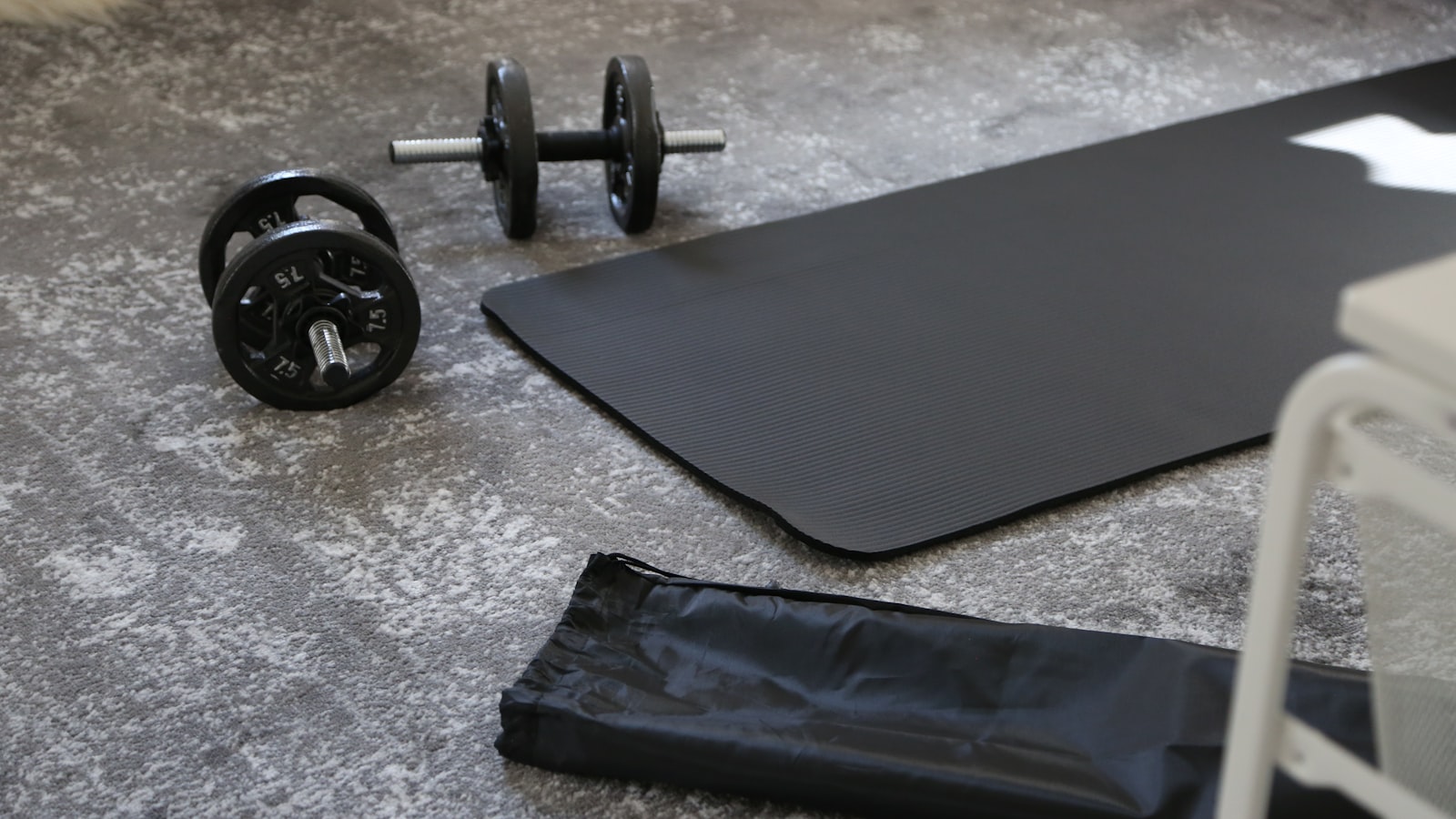
So pre-load the boring parts the night before. Lay out your clothes, or sleep in them for a morning session. Keep your gear in plain sight — a mat left unrolled, bands on the door handle, shoes by the bed. And pre-pick the actual session, because “what should I even do?” is its own stall: deciding-at-the-start is where a lot of streaks quietly die.
The goal is to make the gap between “I guess I should” and “I’ve started” as short as possible. We dig into more of these brain-level shortcuts in tricks to get your brain into working out.
Adopt the one rule that matters most: never miss twice
Here’s the rule that separates people who keep streaks from people who restart them constantly: missing one day is an accident; missing two is the start of a new (worse) habit.
One skipped workout does almost nothing. The research on how habits actually form found that missing a single opportunity didn’t meaningfully derail the habit-formation process — people picked the behavior right back up. What does damage is when one miss becomes two, two becomes a week, and the routine evaporates. So the line you hold isn’t “never miss” — that’s unrealistic and sets you up to feel like a failure. The line is never miss twice in a row. Whatever happens, you’re back the very next day, even if it’s just the five-minute floor.
If today already went sideways, the right move is in what to do when you miss a workout day.
Use a shield before you need it
Most people think of streak protection as something you scramble for after a miss. The stronger play is proactive. If you know Thursday is going to be brutal — a flight, a deadline, a family thing — protect it in advance.
This is exactly what Streak Shields are for. A shield covers a missed day so a single unavoidable gap doesn’t reset weeks of work, and you can use it proactively for a day you already know is doomed. Using one isn’t a loophole — planning for the day you can’t train is a sign you’re taking the streak more seriously, not less. We make that full argument in streak freezes aren’t cheating.
Plan for the three threats that actually break streaks
Streaks rarely die from random laziness. They die from the same handful of predictable disruptions. Name them now and you can pre-solve them:
- Travel. Pack a band, screenshot a no-equipment routine, and pre-decide the minimum: a 10-minute hotel-room session counts. Don’t let “I’m away” mean “I’m off.”
- Illness and genuine fatigue. This is where a streak should flex. A rest day isn’t a failure, and you don’t have to martyr yourself to keep a number alive — see how many rest days a week you actually need. Use a shield or a light recovery activity that still counts, and protect your health first.
- The packed day. This is what the five-minute floor and the if-then trigger are for. On the worst day of your week, you don’t do your best workout — you do the smallest one that keeps the chain intact.
Make the streak visible — and let something watch your back
A streak only pulls on you if you can see it. A number buried in a menu has no power; a number on your home screen, climbing, does. That visibility taps the goal-gradient effect — the closer the next milestone (7 days, 30 days), the harder you’ll work to reach it.
And on the days you genuinely forget or wobble, it helps to have a backstop that notices. Ogamic’s Care Plan check-ins do exactly that: when your streak is at risk or you’ve gone quiet, Ogi nudges you before the streak breaks — not with a guilt trip, just a heads-up while there’s still time to act. Pair that with weekly tasks that always include at least one trivially easy guaranteed win, and there’s always a way to keep the streak moving, even on a day when nothing else goes right.
How to not break a workout streak: the actual secret
Keeping a streak alive isn’t about wanting it more. It’s about needing willpower less. Set a floor low enough to survive your worst day, automate the decision so you’re not negotiating with yourself at 9 p.m., remove the friction, hold the never-miss-twice line, and protect the days you know are coming for you.
Do that, and the streak stops being something you have to defend every single day. It becomes the default — and the number on your screen does the rest. When it does break (it will, eventually), that’s not failure either; it’s just the next chapter, covered in how to restart a workout streak.
Keep going:

Written by
The OgamicX Team
Tips, guides, and insight on fitness, nutrition, fasting, and building habits that last — from the team behind OgamicX.
About OgamicXFound this useful? Share it.