
Stay Active as a Busy Student Without More Free Time
Stay active as a busy student by using walking, study-break movement, and short strength sessions that fit around classes, shifts, and deadlines.
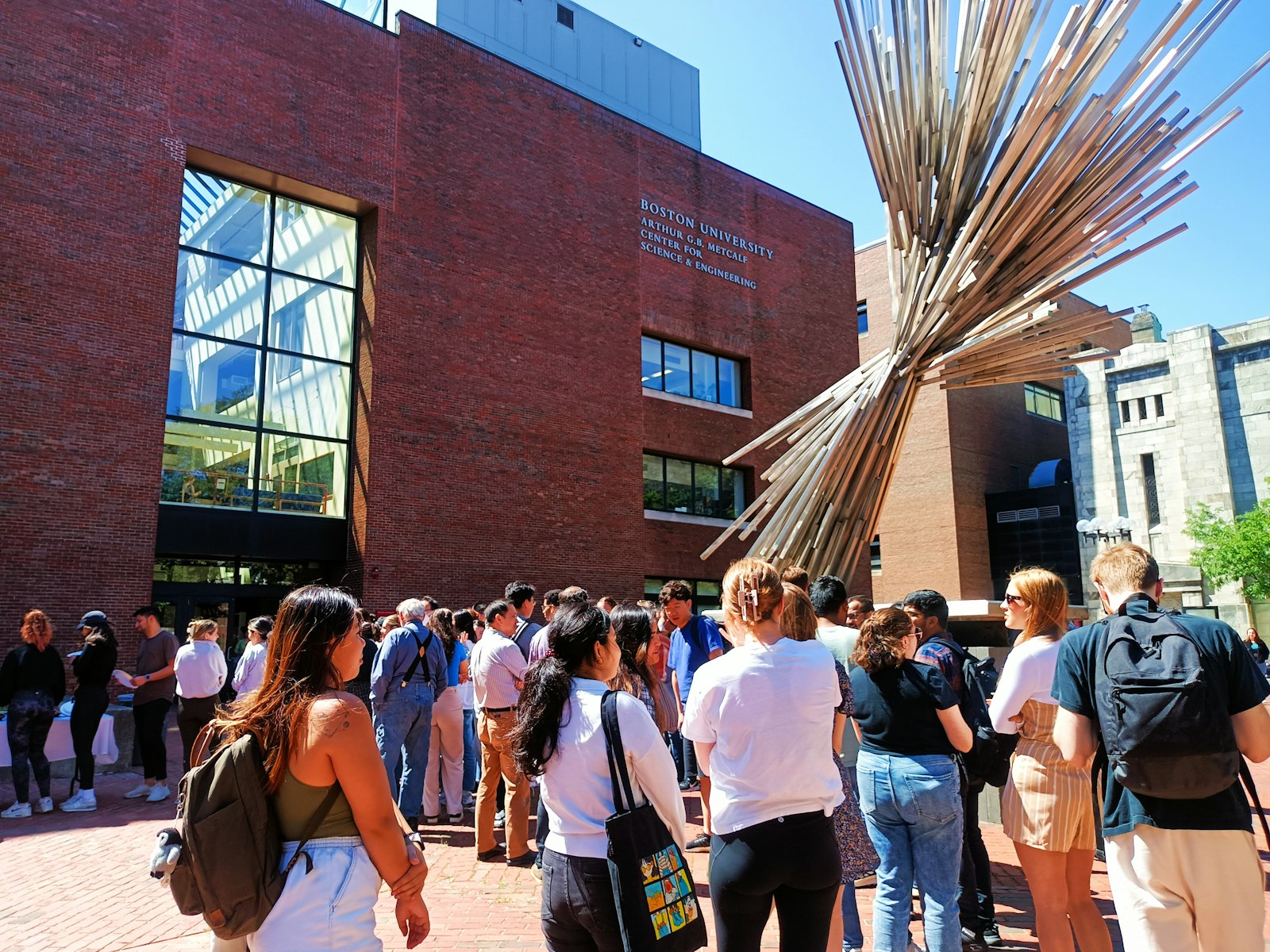
If you’re trying to figure out how to stay active as a busy student, the short answer is this: stop waiting for a perfect workout slot and start treating movement like something that can happen all day. Walking to class counts. Taking the stairs counts. Ten squats while your coffee brews counts. If your week is packed, the win is not building a flawless routine on paper. It’s building a version of activity that can survive lectures, deadlines, part-time work, and the general chaos of student life.
That matters because the public-health target for adults is still pretty simple: aim for at least 150 minutes of moderate activity a week, plus muscle-strengthening work on 2 days. And that time does not have to happen in long, gym-style blocks; it can be broken up across the week. Some movement is better than none, which is very good news if your schedule looks like academic Tetris right now. CDC’s adult activity guidance
Why staying active feels harder in college than it should
Student life looks active from the outside. You’re rushing to class, carrying a backpack, crossing campus, maybe working shifts too. But a lot of it is still long stretches of sitting: lecture halls, library sessions, study marathons, laptop time, commute time.
That combo is why so many students feel weirdly tired and stiff while also feeling “too busy” to exercise. The problem usually isn’t laziness. It’s that your week is fragmented, and if your only definition of being active is “do a full workout,” most of your real opportunities don’t even register as wins.
The better frame is this: your activity has layers. There’s formal exercise, sure. But there’s also walking, stairs, standing breaks, short bodyweight bursts, and the kind of low-friction movement you can do between classes without changing clothes or rearranging your day.
What “active” actually means when you’re busy
For a busy student, being active usually looks like one of three things:
1. Baseline movement
This is your everyday motion: walking to class, walking to campus, carrying groceries, taking stairs, pacing while on the phone, crossing the library instead of studying in one chair for four hours.
2. Micro-movement
These are tiny bouts that take 1 to 5 minutes:
- a lap around the building
- 20 air squats
- calf raises while waiting for the microwave
- a quick walk before opening your notes
- stretching or mobility between study blocks
3. Real workouts when they fit
You do still want some actual training in the week if you can get it. But if your schedule is crowded, those workouts should sit on top of your baseline movement, not be the only form of activity that “counts.”
That approach lines up with the guidance above: adults can accumulate activity across the week rather than chasing one ideal daily routine. CDC’s adult activity guidance
The easiest way to stay active as a busy student: make movement the default
If you have to make a fresh motivational speech to yourself every time you move, this won’t last. The fix is making the active option the easy option.
Here’s what that looks like in real life:
- walk the longer route to class when you have the time
- get off one stop early if you use public transit
- take the stairs for anything under a few floors
- stand up and move for a couple of minutes between study blocks
- keep one “default movement” move ready, like a 10-minute walk or 20 squats
- use campus geography on purpose: print on another floor, take the scenic loop back to your dorm, or walk a longer route between classes
None of this is dramatic. That’s the point. A system that survives finals week usually looks a little boring.
Walking between classes is not cheating
A lot of students dismiss walking because it doesn’t feel like a workout. But walking is one of the most practical ways to stay active when your life is already full. It’s built into the day, doesn’t require equipment, and doesn’t ask for extra setup.
There’s also solid evidence that higher daily step counts are linked with lower all-cause mortality risk in adults, and the relationship looks dose-responsive rather than hinging on one magic number. Translation: this is not a “10,000 or it doesn’t matter” situation. More walking than you’re doing now is usually a useful move.
So yes, your walk across campus counts. Your hill to the library counts. The loop you add before heading back to your dorm counts. If walking is the most realistic movement you can sustain this semester, that is a real foundation, not a placeholder.
Use study breaks to interrupt long sitting blocks
One of the most underrated ways to stay active as a busy student is simply breaking up long stretches of sitting.
A systematic review on interrupting prolonged sitting found that frequent short bouts of standing or light walking can improve some cardiometabolic markers compared with uninterrupted sitting, though the results vary by outcome and study design. That’s the honest version. The point here is not that a 2-minute hallway lap changes your life. It’s that staying planted for hours on end is a rough default, and brief movement breaks are a smart upgrade. this 2022 systematic review on breaking up prolonged sitting
A simple study-block rule works well:
- every 30 to 60 minutes, stand up
- walk for 2 to 5 minutes
- climb a flight of stairs, pace the hallway, or do a tiny bodyweight set
- then sit back down
That one rule does two useful things at once: it adds movement, and it lowers the mental barrier to “working out” later because you no longer feel like a folded laptop charger by 8 p.m.
Try the micro-movement menu approach
When your day is unpredictable, a fixed plan can fail just because real life happened. A menu works better.
Pick 5 to 7 tiny movement options you can do almost anywhere. For example:
- 5-minute campus walk
- 1 flight of stairs, twice
- 15 squats
- 10 incline push-ups on a desk or bench
- 30 seconds of fast marching in place
- a lap around your dorm floor
- 2 minutes of mobility before studying
Then use the rule: do one item whenever there’s a gap.
This matters because busy students often waste energy deciding what counts, what’s enough, and whether it’s worth starting. A menu removes that friction. You don’t need the perfect routine. You need a short list of things you’ll actually do.
If you tend to overcomplicate this part, how to build a workout habit as a college student is the next good read.
Stop separating exercise from real life
One reason active students stay active is that they blur the line between fitness and daily life.
They:
- carry their bag and walk
- take stairs by default
- walk to grab lunch instead of ordering every time
- pace while reviewing flashcards
- turn social time into movement when possible
- treat a short walk as a reset, not a special event
That sounds small, but it adds up. The CDC explicitly notes that weekly activity can be broken into smaller chunks, which is exactly why this approach works so well for messy schedules. CDC’s guidance on adding physical activity as an adult
If your current mindset is “I didn’t do a workout, so today was a wash,” that’s the exact thought to retire.
A realistic weekly target for busy students
You do not need a six-day training split to be an active student.
A more realistic target is:
- daily: look for walking and movement between classes
- most days: add 1 to 3 short movement breaks during study time
- 2 to 3 days per week: do a short intentional workout or bodyweight session
- 2 days per week: include muscle-strengthening work, which is part of the standard adult guidance. CDC’s adult activity guidance
That could look like:
- Monday: campus walking + 10-minute bodyweight circuit
- Tuesday: extra stairs + two study-break walks
- Wednesday: campus walking only
- Thursday: 15-minute home workout
- Friday: long walk after class
- Saturday: quick strength session
- Sunday: easy walk and reset
Not glamorous. Very usable.
The honest tradeoff: general activity is not the same as a full training plan
Here’s the part worth saying out loud: staying active through walking and micro-movement is great, but it is not the same thing as a structured strength or cardio program.
If your goal is specific athletic progress, faster run times, or serious strength gains, you’ll still want some planned training in the week. General movement keeps momentum alive. It supports your energy, your routine, and your baseline activity. But it won’t replace everything.
That said, if the alternative is doing nothing because your “real” workout never happens, the general-activity route wins. Best-at-the-whole-week beats perfect-on-paper.
What to do during your busiest weeks
Midterms and finals are where routines usually die. Don’t let those weeks become an all-or-nothing trap.
Use a reduced minimum:
- walk to every class you reasonably can
- stand up once per study block
- do one 5-minute movement break per day
- aim to keep the habit alive, not to set personal records
This is the season where tiny wins matter most. A semester usually falls apart from abandonment, not from doing less for one week.
If that pattern sounds familiar, how to stay fit in college without a gym pairs well with this post.
A simple rule set that actually works
If you want something practical, use this:
The busy-student activity rules
- Never wait for the perfect hour. Use the next 2 to 10 minutes.
- Walking counts. Especially between classes and around campus.
- Break up sitting. Move every 30 to 60 minutes when studying.
- Keep one minimum move ready. Mine would be “10-minute walk or 20 squats.”
- Two strength days beats zero. Even short bodyweight sessions count toward the weekly goal. CDC’s adult activity guidance
- Busy weeks get a smaller target, not a full reset.
That’s enough to carry you through a semester better than a hyper-optimized plan you stop doing by week two.
Where OgamicX fits if you need help staying consistent
If your biggest problem is not knowing what activity is, but forgetting to do it once student life gets noisy, this is exactly where an all-in-one system helps.
OgamicX makes more sense here than a serious, split-up fitness setup because it doesn’t only treat activity as a formal workout. A workout, a nutrition habit, or a closed fasting window can all help keep your unified streak alive. That matters on student weeks where consistency comes from staying in motion, not from crushing a perfect plan every day.
And if you’re the kind of person who falls off when apps go quiet, Ogi’s Care Plan is built for that moment. It checks in when your routine starts drifting or your streak looks shaky. Not to guilt-trip you. Just to help you catch the slide before it turns into a two-week disappearance.
The app is free to download, no card, which makes it a pretty student-friendly option if you want one place to keep the whole day from splintering into five abandoned tools.
The bottom line on how to stay active as a busy student
The best answer to how to stay active as a busy student is not “find more free time.” It’s “use the life you already have.”
Walk more between classes. Break up long study sessions. Treat short movement as real movement. Keep a tiny default option ready for chaotic days. Then add structured workouts where they fit instead of demanding they carry the whole system alone.
You do not need a perfect routine this semester. You need one that survives the semester. And usually, that starts with the smallest move you’ll actually do today.

Written by
The OgamicX Team
Tips, guides, and insight on fitness, nutrition, fasting, and building habits that last — from the team behind OgamicX.
About OgamicXFound this useful? Share it.