
Beginner Home Workout in Your 40s at Home
Beginner home workout in your 40s, no equipment: a simple 15-minute routine that feels doable, builds consistency, and helps you start again tomorrow.
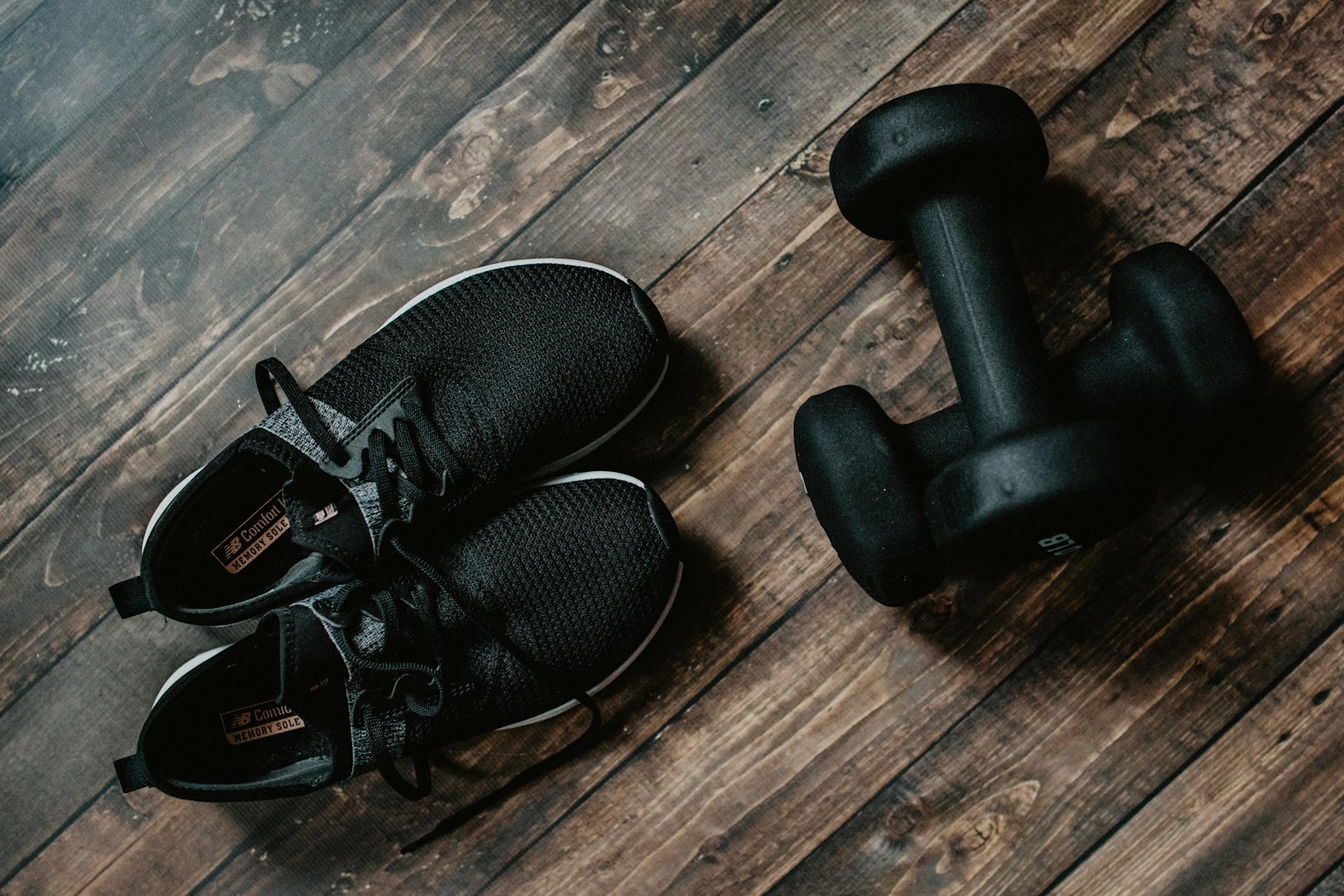
If you want a beginner home workout in your 40s with no equipment, start smaller than your past self wants to. The goal is not to prove anything on day one. It is to make starting so easy that you do it again tomorrow.
A good routine here should feel simple, repeatable, and calm enough to fit real life at home — not like a bootcamp audition. It also does not need fancy gear to count. The big-picture target is still the boring useful stuff: regular movement through the week, plus muscle-strengthening work on 2 or more days. (who.int)
That matters because the hard part for most beginners is not finding the “perfect” workout. It is staying with one long enough for it to become normal. In the widely cited Lally habit-formation study, automaticity built gradually rather than overnight, and the median time to reach peak automaticity was 66 days — with a big range between people. So think weeks and months, not “I should have this sorted by next Tuesday.” (pmc.ncbi.nlm.nih.gov)
If what you really need is the consistency side of this, how to build an exercise habit in your 40s is the natural next read.
What a beginner home workout in your 40s should actually look like
Simple.
That is the trick.
For this season, the right workout usually has four qualities:
- Short enough to start
- Easy to remember
- Gentle enough to repeat
- Structured enough to feel like a real session
You do not need an hour. You do not need a giant exercise menu. You need a handful of basic bodyweight moves you can do in your living room and a plan for when you will do them again.
The best starting point: 15 minutes, 5 moves, 2 to 3 rounds
Here is a no-equipment beginner workout you can do at home. Start with 1 round if that is what feels realistic. Two rounds is great. Three is optional, not mandatory.
The workout
1. Sit-to-stand from a chair — 8 to 10 reps
Sit down with control, stand up, repeat. If needed, use your hands lightly on the chair.
2. Wall push-ups — 6 to 10 reps
Hands on a wall, body in a straight line, lower yourself toward the wall and press back.
3. March in place — 30 to 45 seconds
Relax your shoulders and keep a steady pace.
4. Glute bridge — 8 to 10 reps
Lie on your back with knees bent, feet on the floor, lift your hips, pause, lower.
5. Bird-dog — 5 to 6 reps per side
On hands and knees, reach one arm and the opposite leg out, then switch sides slowly.
Rest 30 to 60 seconds between moves if you need it. That is not “falling behind.” That is just pacing.
Why these moves work for beginners
This gives you a full-body session without turning your house into a gym. You are practicing the basics:
- getting up and down
- pushing
- steady light cardio
- lower-body work
- simple coordination and control
That is enough for a beginner workout. The useful baseline from public-health guidance is still the same: adults benefit from regular aerobic movement plus muscle-strengthening work across major muscle groups during the week. A small home routine like this can help you start building that pattern. (who.int)
If you want the broader version of this roadmap, read how to start working out at home.
A 2-week beginner home workout plan in your 40s
If you are coming back after a long gap, this is where people usually do too much. So let the first two weeks feel almost boring on purpose.
Week 1
- Day 1: 1 round
- Day 2: 10-minute walk or easy march in place
- Day 3: 1 round
- Day 4: Off
- Day 5: 1 to 2 rounds
- Day 6: Easy walk
- Day 7: Off
Week 2
- Day 1: 2 rounds
- Day 2: 10 to 15 minutes easy movement
- Day 3: 2 rounds
- Day 4: Off
- Day 5: 2 rounds
- Day 6: Easy walk or march
- Day 7: Off
That already puts you in a good place: movement spread across the week, with a couple of simple strength sessions. It also fits what habit research actually looks like in real life — repetition, context, and enough ease that you do not dread the next session. (pmc.ncbi.nlm.nih.gov)
How hard should a beginner workout feel?
A good beginner session should feel like you could have done a little more.
That sounds too easy, but that is the point. If every workout leaves you dreading the next one, your plan is too expensive to keep. The win is finishing with enough energy that repeating it in two days feels possible.
A simple rule: stop while the workout still feels tidy. Do not chase exhaustion. Chase repeatability.
The biggest mistake beginners in their 40s make at home
They try to skip the beginner phase.
A lot of people in their 40s have a weird memory problem with exercise: you remember what you used to be able to do, and you quietly write today’s plan for that older version of you. Then the session is too long, too intense, or too complicated, and the whole thing feels discouraging.
Better move: train the version of you who exists today.
That might mean:
- 1 round instead of 3
- wall push-ups instead of floor push-ups
- marching instead of jumping
- 12 minutes instead of 30
That is not lowering the standard. That is building a standard you can keep.
How to make a beginner home workout stick
This is where fitness advice gets weirdly dramatic. You do not need more self-lecture. You need less friction.
1. Attach it to something you already do
The broad habit principle is straightforward: repeating a behavior in a consistent context helps it become more automatic over time. (pmc.ncbi.nlm.nih.gov)
Examples:
- after morning coffee
- after closing your laptop
- before your shower
- right before dinner starts
“After coffee, I do one round” is a real plan. “I should work out more” is wallpaper.
2. Keep the floor embarrassingly low
Your minimum version should be so small you can still do it on a messy day.
Try:
- 5 sit-to-stands
- 5 wall push-ups
- 1 minute of marching
That still counts. Tiny reps are how streaks survive normal life.
3. Use the same workout for a while
Do not swap routines every three days because you got bored for six minutes. Repetition is useful. It lowers the thinking cost and lets you notice progress more clearly.
Give one simple routine 2 to 4 weeks before changing much.
4. Track wins you can actually control
Not outcomes. Not aesthetics. Just actions.
Track:
- sessions completed
- rounds finished
- days you showed up
- whether you kept the habit cue
That keeps your attention on the part you can repeat.
When to make it harder
Not on a calendar. When the current version feels settled.
Good signs you are ready to progress:
- you finish the workout without rushing
- your form stays neat
- the session no longer feels like a big event
- you feel fine doing it again on schedule
Then make one change:
- add 2 reps
- add 1 round
- make the wall push-up slightly steeper
- march a little longer
One notch is enough. Giant jumps are how simple plans turn into abandoned plans.
What if you miss a few days?
Nothing dramatic happened.
You did not “fall off.” You had a gap.
The fastest way back is to restart at the easiest version:
- 1 round
- slower pace
- shorter session
- same familiar moves
That matters because missing once is normal. Turning one missed session into a two-week disappearance is the real problem. Habit-building works better when the restart is easy and immediate, not emotional. (pmc.ncbi.nlm.nih.gov)
A few honest tradeoffs
A beginner no-equipment home workout is a great starting point, but let’s say the quiet part out loud.
It is great for:
- building consistency
- learning basic movement patterns
- making exercise feel normal at home
- creating a weekly rhythm you can keep
It is not trying to be:
- the most advanced strength program on earth
- a hyper-custom plan for every edge case
- a complicated setup with lots of gear
That is fine. Beginner plans are supposed to be simple. Best-at-the-whole-week beats perfect-on-paper and abandoned by Thursday.
If you want help keeping it going
This is exactly the kind of situation where an all-in-one app can help — not because you need more complexity, but because you need fewer moving parts.
OgamicX has 30 prebuilt no-equipment bodyweight templates, and on the free tier you can keep up to 3 active enrollments at a time. It also uses a unified streak, so a small workout still keeps the same chain alive, which is useful when your goal is simply to keep showing up. The app is free to download and use, no card.
That said, the app is not the magic. The magic is still the boring part: one simple workout, done often enough that it stops feeling like a decision.
A simple week you can start today
If you want the shortest possible version, do this:
Option A: ultra-beginner week
- Monday: 1 round
- Wednesday: 1 round
- Friday: 1 round
Option B: slightly fuller week
- Monday: 2 rounds
- Wednesday: 2 rounds
- Friday: 2 rounds
- One extra day: 10 to 15 minutes of easy walking
That is enough to begin. Really.
If you want the next step after this, the natural move is not “harder.” It is more settled: same cue, same days, same simple plan, for long enough that it becomes part of your week.
Keep going:

Written by
The OgamicX Team
Tips, guides, and insight on fitness, nutrition, fasting, and building habits that last — from the team behind OgamicX.
About OgamicXFound this useful? Share it.