
How to Overcome Gym Anxiety as a Beginner
Gym anxiety as a beginner? Here's the playbook: what to pack, a no-ask machine routine, etiquette, and quiet hours so the first session stops being scary.
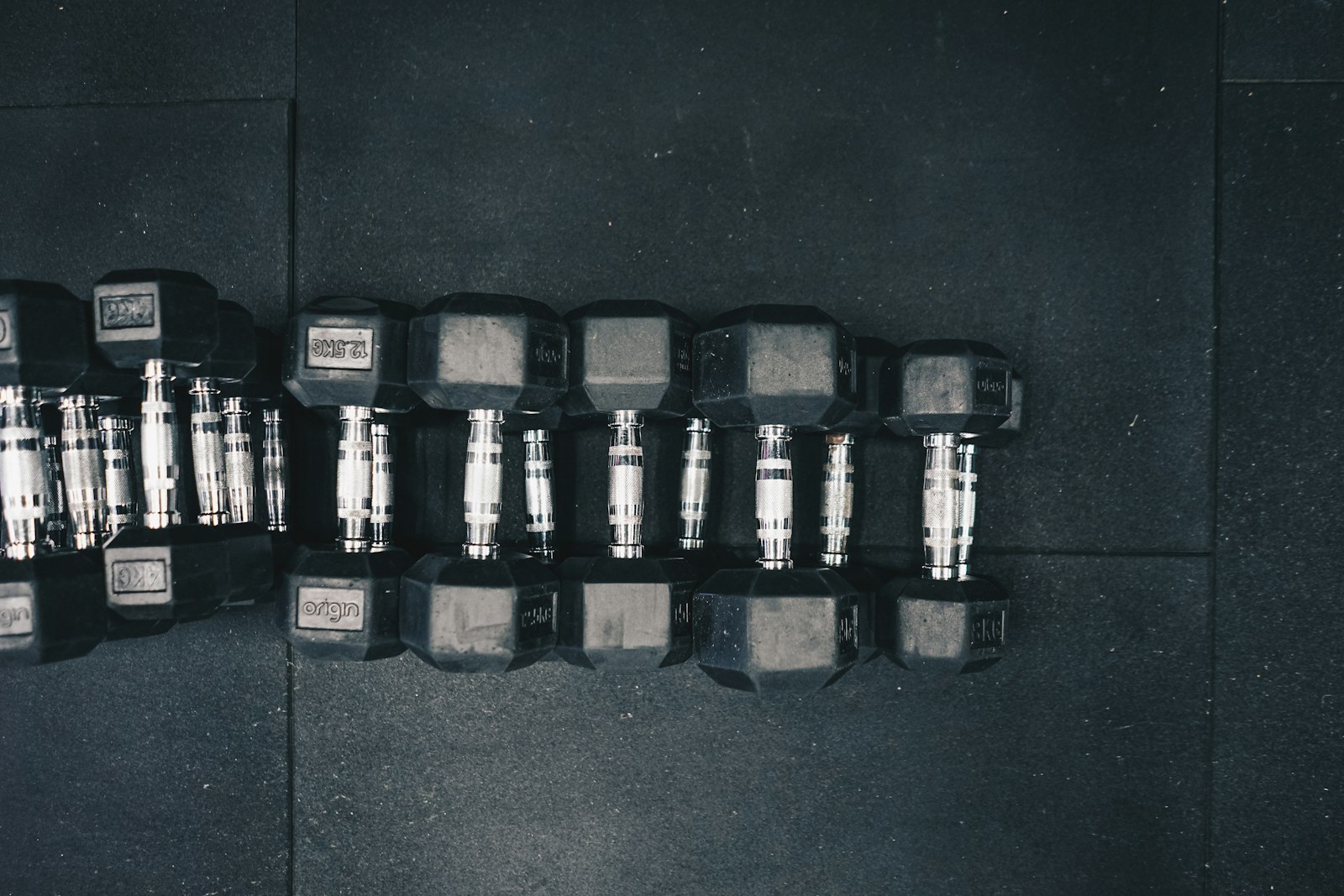
The hardest workout you’ll ever do is the first one, and you haven’t even lifted anything yet. It’s the walking-in part — the gym anxiety that hits hardest when you’re a genuine beginner, because you don’t just feel watched, you feel lost. You don’t know where to put your bag, which machines to use, how heavy to go, or whether you’re allowed to just… stand there for a second and figure it out. (You are.)
Here’s the good news: every single person in that building was a beginner once, fumbling with the same questions. The ones who look like they own the place didn’t get there by being naturally confident — they got there by going a few times until it stopped being scary. This is the beginner’s playbook for doing exactly that, from what to bring to a starter routine you can run without asking a soul. Learning how to overcome gym anxiety as a beginner is less about courage and more about having a plan, so let’s give you one.
First, the reframe that takes the pressure off
You are not going to the gym to perform. You’re going to practice. Nobody expects a beginner to look smooth, lift heavy, or know the etiquette yet — and the experienced people, the ones you’re worried about, are precisely the ones least likely to judge, because they remember being you.
We covered the psychology in depth in the gym anxiety hub, but the one-line version is this: the spotlight you feel is mostly imaginary. People at the gym are absorbed in their own workouts and barely register yours. Your job for the first few weeks isn’t to be impressive. It’s just to show up, do something simple, and leave. That’s a win every time, no exceptions.
Remove every decision you can before you go
Anxiety thrives on uncertainty, so the move is to pre-decide everything while you’re calm at home. The fewer choices you have to make standing on the gym floor, the less room there is to panic.
- Pack your bag the night before. Water bottle, a towel, headphones, your shoes. Wear whatever you already own that you can move in — there is no dress code, and nobody is grading your outfit. Plain T-shirt and shorts or leggings is the uniform.
- Know your route in. Where’s the entrance, where are the lockers, where’s the water fountain. If you can, do a quick orientation tour when you sign up so the building isn’t a maze on day one.
- Bring a written plan. Three or four exercises, on your phone, in order. This is the single biggest anxiety-killer — when you always know what’s next, you never have that exposed “what do I even do now?” moment that makes you feel like everyone’s looking.
Deciding the trigger and the plan in advance is a real behavioral technique, not just tidiness — it’s called an implementation intention, and a meta-analysis of 94 studies found these if-then plans have a medium-to-large effect on actually following through. We break down why they work so well in if-then planning for workouts. “After work on Monday, I drive straight to the gym and do my three exercises” beats “I’ll go to the gym sometime” every time.
Go at the quiet hours, at least as a beginner
An empty gym is a beginner’s best friend. Fewer people means fewer imaginary judges, more free machines, and all the time in the world to figure things out without feeling rushed.
Peak hours are usually early morning (6–8am), and after-work (5–7pm). The calm windows are mid-morning, early afternoon, and late evening. Go then. There is zero shame in deliberately choosing the quiet times while you find your feet — you’re not avoiding the challenge, you’re being smart about the on-ramp. As you get comfortable, the crowds will stop mattering and you can go whenever you like.
A beginner gym routine you can run without asking anyone
Here’s a simple full-body session built entirely from machines and basics that are nearly impossible to get “wrong.” Machines guide your movement, so they’re far less intimidating than free weights when you’re starting out. Do this, in order, and you never have to wonder what’s next.
- Five minutes on a cardio machine to warm up. Treadmill walk, bike, whatever’s free. This also doubles as a calm-down — by the time you’re warm, the first-walk-in nerves have usually faded.
- Leg press — 2 sets of 10–12. Seated, guided, simple. Start with light weight; you’re learning the movement, not testing your max.
- Lat pulldown — 2 sets of 10–12. Pull the bar to your chest. That’s it.
- Chest press machine — 2 sets of 10–12. Push the handles forward.
- Seated row machine — 2 sets of 10–12. Pull the handles toward you.
- Optional finisher: five more minutes of easy cardio, or a few minutes of stretching.
That’s a complete, balanced full-body workout in about 35–40 minutes. When you’ve done the last set, you’re done — leave. Most machines have a little diagram and instructions printed right on them — you’re allowed to read it. If you can’t find a machine or it’s taken, skip it and move to the next; the order isn’t sacred.
How heavy? Lighter than you think for the first week. You want the last couple of reps to feel a bit challenging, not impossible. It’s completely normal to spend your first sessions just dialing in the right weights — that’s not failing, that’s the process. Too hard? Drop the weight. Still too hard? Do fewer reps. The machine doesn’t care, and neither does anyone else.
Quick etiquette so you feel like you belong
A lot of beginner anxiety is really fear of breaking an unwritten rule. Here are the only ones that matter, and once you know them you’ll feel ten times more at home:
- Wipe down equipment after you use it. There are spray bottles and paper towels around. This is the big one.
- Re-rack your weights — put dumbbells and plates back where you found them.
- Don’t sit on a machine scrolling your phone between sets for ages if someone’s waiting. A short rest is fine; camping isn’t.
- It’s okay to ask “how many sets do you have left?” if you want a machine someone’s using. Everyone does it.
- You can work in. If someone’s on a machine you need, you can ask to alternate sets. Again — totally normal.
That’s basically it. Follow those and you’re indistinguishable from a regular, which does wonders for the nerves.
What to do when you genuinely don’t know something
You will hit a moment where you’re not sure how a machine works or whether you’re doing an exercise right. This is the moment beginners dread — and it has easy fixes that don’t involve interrogating a stranger:
- Read the diagram on the machine. They almost all have one.
- Ask a staff member. They’re literally paid to help. Many gyms include a free intro walkthrough when you join; if yours does, use it — that’s smart, not needy.
- Check the move on your phone before you go, so you arrive already knowing it.
This is also where having a coach in your pocket quietly removes the problem. In Ogamic you can message Ogi, the in-app AI coach, with exactly the questions you’d feel awkward asking out loud — what is a lat pulldown, how do I scale this down, is this supposed to feel like that? — and get a straight answer without anyone watching you ask. It’s the kind of low-stakes guidance that makes the whole place feel less like a test.
Build the base at home first, if that helps
Here’s a strategy that works incredibly well and almost nobody mentions: you don’t have to make your first ever workout a gym workout. You can spend two or three weeks building basic strength and — more importantly — the habit at home, so that when you do walk into the gym, you’re not a total beginner anymore. You already know what a squat and a push-up feel like. You already think of yourself as someone who trains.
A simple bodyweight routine is perfect for this — we’ve got a full beginner version in how to start working out at home. Ogamic’s home templates are free and need zero equipment, which is exactly the low-stakes on-ramp this calls for. And if the home approach clicks and you’d rather stay there a while, working out at home when the gym feels like too much makes the full case. Either way, walking into a gym already feeling capable is a massive head start.
Make the streak, not the session, the goal
The single most important thing for a nervous beginner isn’t any individual workout — it’s going back. One gym session is brave. Five is a habit, and habits don’t feel scary, they feel automatic. So measure success by consistency, not performance.
This is where treating it like a streak helps so much: each time you show up, the chain gets longer, and you start to feel the small, real satisfaction of not wanting to break it. In Ogamic the streak counts any activity — including those home workouts on the days you don’t make it in — so a busy week doesn’t reset you to zero, and a Streak Shield can cover the occasional miss. We make the full case for why this beats relying on willpower in why streaks beat willpower.
The beginner’s checklist, in five steps
- Pre-decide everything. Pack the bag, know the route, bring a written three-exercise plan.
- Go at quiet hours while you find your feet — it’s smart, not cowardly.
- Run the simple machine circuit above; nobody expects polish, just practice.
- Learn the five etiquette rules and you’ll instantly feel like a regular.
- Count returns, not reps. Build the streak; let the habit make the anxiety boring.
The first session is the hardest one you’ll ever do, and you’re going to do it with a plan in your hand and the quiet knowledge that nobody’s really watching. Walk in, run your circuit, walk out. Then do it again. That’s the whole secret — and a few weeks from now, you’ll be the one who looks like they own the place.
Keep going:

Written by
The OgamicX Team
Tips, guides, and insight on fitness, nutrition, fasting, and building habits that last — from the team behind OgamicX.
About OgamicXFound this useful? Share it.