
Freemium Fitness App vs Free Trial: What to Know
Freemium fitness app vs free trial: learn which model builds more trust, lowers cancellation friction, and gives you a better shot at sticking.
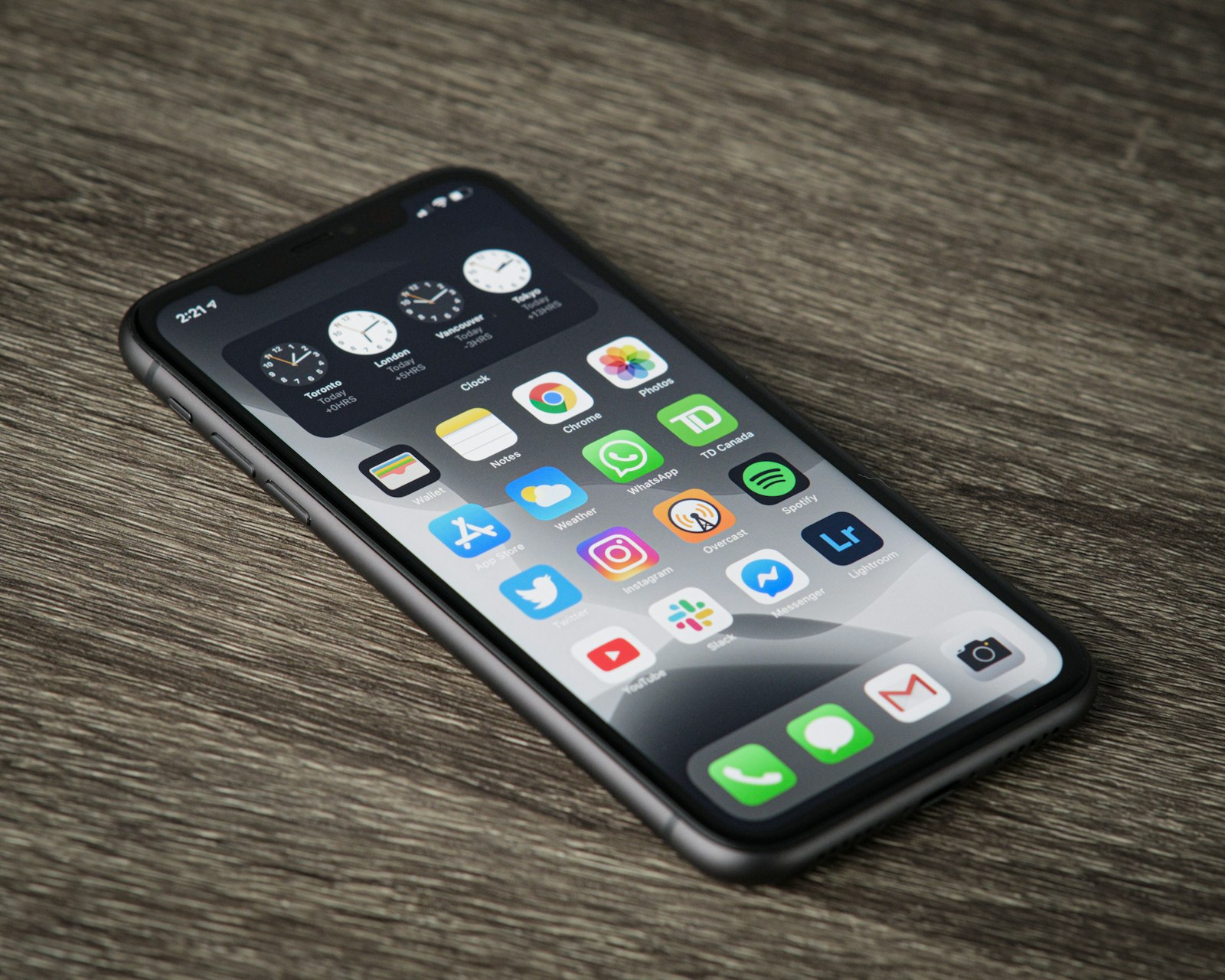
You know the moment. You download a fitness app at 10:47 p.m., answer six onboarding questions, feel weirdly hopeful for about four minutes, and then hit the paywall: Start premium now. Your options are basically “agree now and remember to cancel later” or back out and hope your motivation survives the friction.
That’s why “freemium fitness app vs free trial” is a better question than it looks. It’s not just about price. It’s about how the app expects you to build trust.
Here’s the short version: freemium is usually better if you want to build a routine slowly and decide later; free trial can work if you already know you want the premium version and you’re willing to manage the cancellation math. Research on freemium services suggests that perceived value and trust in the provider are central to willingness to pay, while fitness-app research keeps circling the same practical issue: long-term use depends a lot more on usefulness, ease of use, motivation, and engagement than on premium features existing in the abstract. research on willingness to pay for freemium services and a systematic review of fitness-app adoption both point in that direction.
If you’re trying to choose between the two, the useful filter is simple: pick the model that gives you the best chance of still opening the app next week.
What a freemium fitness app actually means
A freemium fitness app is free to download and free to keep using, with a permanent no-cost tier and optional paid upgrades. Usually the core loop stays available, while premium unlocks more depth, more volume, or more personalization.
In plain English: you can live in the app long enough to find out whether it fits your actual life. Not your ideal life. Your real Tuesday.
That matters because willingness to pay in freemium services is closely tied to the value people feel they got from the free version, and trust in the provider helps explain whether they eventually convert. In other words, freemium works best when the free tier is useful enough to prove itself. A 2024 study on freemium willingness to pay makes that case pretty clearly.
What a free-trial fitness app actually means
A limited-time premium preview usually means you get premium access for a set period, and then the paid plan starts unless you cancel.
This model is not automatically bad. Sometimes it’s the cleanest way to test the full experience. But it creates a different kind of pressure: you’re trying to evaluate an app while the clock is running.
There’s also a practical business reality here. Research highlighted in Harvard Business Review argues that free trials are often less effective than companies hope when they’re used mainly to acquire brand-new users rather than deepen engagement with people who already know the product. That doesn’t mean every trial is a trap. It means “free for 7 days” is not the same thing as “low-risk.” See Harvard Business Review on when free trials underperform.
Freemium vs free trial: the real differences that matter
1. Trust feels different
With freemium, the product says: use this, see if it helps, pay later if it earns it.
With free trial, the product says: here’s everything, but the decision is coming fast.
That difference sounds subtle, but as a user it changes the emotional tone. Freemium tends to feel more patient. Free trial tends to feel more transactional. Research on freemium services repeatedly ties later payment to trust and experienced value, which is basically the academic version of “don’t rush me before I know whether this fits.” That’s straight out of the freemium willingness-to-pay research.
2. Your evaluation window changes
A trial gives you a short, intense look at the premium product. That can be useful if your question is, “Are these advanced features worth paying for?”
A freemium model is better if your question is, “Will I still open this app after the novelty wears off?”
Those are not the same test. Recent fitness-app research keeps finding that adoption and adherence are tied to usefulness, ease of use, motivation, and engagement design, while app-based exercise behavior research still describes dropout and inconsistent adherence as major category problems. A systematic review of intention to use fitness apps and a cross-sectional study of fitness-app retention and adherence are good examples.
3. Cancellation friction is real
This is the obvious one, but it matters. A free trial can create low upfront cost and high cleanup cost. If you’re busy, forgetful, or just the kind of person who ends up with six recurring charges and a vague sense of betrayal, that friction is not imaginary.
Freemium is simpler. You can keep using the free tier, upgrade when you want, and skip the “set three reminders so future-you doesn’t get billed on a Thursday” part.
4. The app may be built around different incentives
This is the more interesting difference. A free-trial product is often optimized to get you to feel premium value quickly. A freemium product is often optimized to make the free experience sticky enough that paying later feels natural.
Neither incentive is automatically more ethical or more useful. But as a user, you should notice what the app seems designed to do:
- help you build a repeatable routine
- impress you fast with gated features
- make basic tracking easy
- create urgency before billing starts
The model shapes the product more than most people realize.
When freemium is usually the better fit
Freemium usually wins if you:
- are restarting after quitting a bunch of apps
- want to test whether the app fits your routine first
- hate countdown pressure
- want a free version you can keep using without a card hanging over it
- care more about consistency than maximizing features on day one
This is especially true if your main problem is not “I need the most advanced fitness tool on earth.” It’s “I need something I will still use next month.”
That sounds less ambitious, but it’s often the smarter filter. Fitness-app studies consistently focus on motivation, engagement, usefulness, and behavioral fit because those are the variables most associated with continued use. The systematic review on fitness-app adoption is the clearest broad source for that.
When a free trial can still make sense
A free trial can be fine if you:
- already expect to pay for a premium app
- want to test advanced coaching or planning features specifically
- are organized enough to cancel on time if it’s not for you
- can evaluate the product honestly inside the trial window
In that case, a trial is less “pressure” and more “short demo with a deadline.”
The catch is that short demos are not great at answering long-term questions. You can absolutely learn whether an interface is polished in 20 minutes. You cannot reliably learn whether it will support a durable habit in 7 days, especially if life goes sideways on day four.
Red flags to watch for in either model
The billing model matters, but it’s not the only thing that matters. A bad app can be bad in both directions.
Freemium red flags
- the free tier is so crippled that you can’t complete the basic loop
- every second tap tries to upsell you
- the app hides what’s actually included for free
- the premium upgrade solves problems the app created on purpose
Free-trial red flags
- you have to enter payment details before you understand the product
- the cancellation path is murky
- the app relies on urgency more than clarity
- the trial is too short to test the habit, only the hype
The honest question is simple: does this pricing model reduce friction, or just rearrange it?
The most useful question to ask before you choose
Instead of asking, “Which is cheaper?” ask this:
What am I trying to prove?
If you’re trying to prove that you’ll use the app at all, freemium is usually the cleaner test.
If you’re trying to prove that premium-specific features are worth paying for, a free trial can work.
That distinction sounds small, but it saves a lot of bad decisions. Most people do not need a dramatic 7-day audition. They need a calm place to build a tiny repeatable loop: open app, do workout, log meal, close fast, keep streak alive, repeat. The model that makes that loop feel lighter usually wins. If you want the deeper version of that idea, read what makes a fitness app stick.
The honest tradeoff
Freemium is not magically better. Some freemium apps give away enough to be useful, but hold back the exact thing you came for. Some free trials genuinely let you test a strong premium product without wasting time.
The tradeoff is basically this:
- Freemium is lower pressure, often better for trust, and better for slow-burn routine building.
- Free trial gives fuller access faster, but asks for a decision before your real-life pattern has had much time to show itself.
If you’re an advanced user with very specific needs, a trial may be perfectly rational. If you’re app-tired and trying to stop the install-delete-repeat cycle, freemium is often the better default.
So which should you pick?
Here’s the blunt version.
Choose freemium if you want:
- room to test the app without pressure
- a real free layer you can keep using
- time to decide whether the product actually sticks
Choose free trial if you want:
- immediate access to all premium features
- a fast yes-or-no decision
- to evaluate premium value, not just basic fit
And if an app says “free trial,” treat that as a billing structure, not a gift. If an app says “freemium,” check whether the free tier is genuinely usable. Same App Store, very different experience.
Where OgamicX fits, honestly
This is exactly why OgamicX uses a freemium model, not “free trial” language. The point is to let you use the core app without a countdown hanging over your head, then upgrade only if the extra depth is worth it for you.
The free tier gives you a real working loop: workouts, streaks, XP and tiers, leaderboards, Ogi chat, Care Plan check-ins, manual meal logging, fasting with 16:8, and MealScan for up to 3 scans a day. Premium unlocks the deeper layer — AI-personalized workout plans, unlimited MealScans, all fasting protocols, playlist selection, more active template enrollments, and no ads. That setup matches the logic above: prove day-to-day value first, then decide if you want more.
If that sounds like your problem, the next read is probably stop juggling 5 fitness apps. Because pricing gets you in the door, but reducing friction across the whole day is what earns a place on your home screen.
Keep going:

Written by
The OgamicX Team
Tips, guides, and insight on fitness, nutrition, fasting, and building habits that last — from the team behind OgamicX.
About OgamicXFound this useful? Share it.