
How to Tell If Intermittent Fasting Is Working
How to tell if intermittent fasting is working: look for steadier hunger, calmer meals, and a schedule you can repeat without dread.
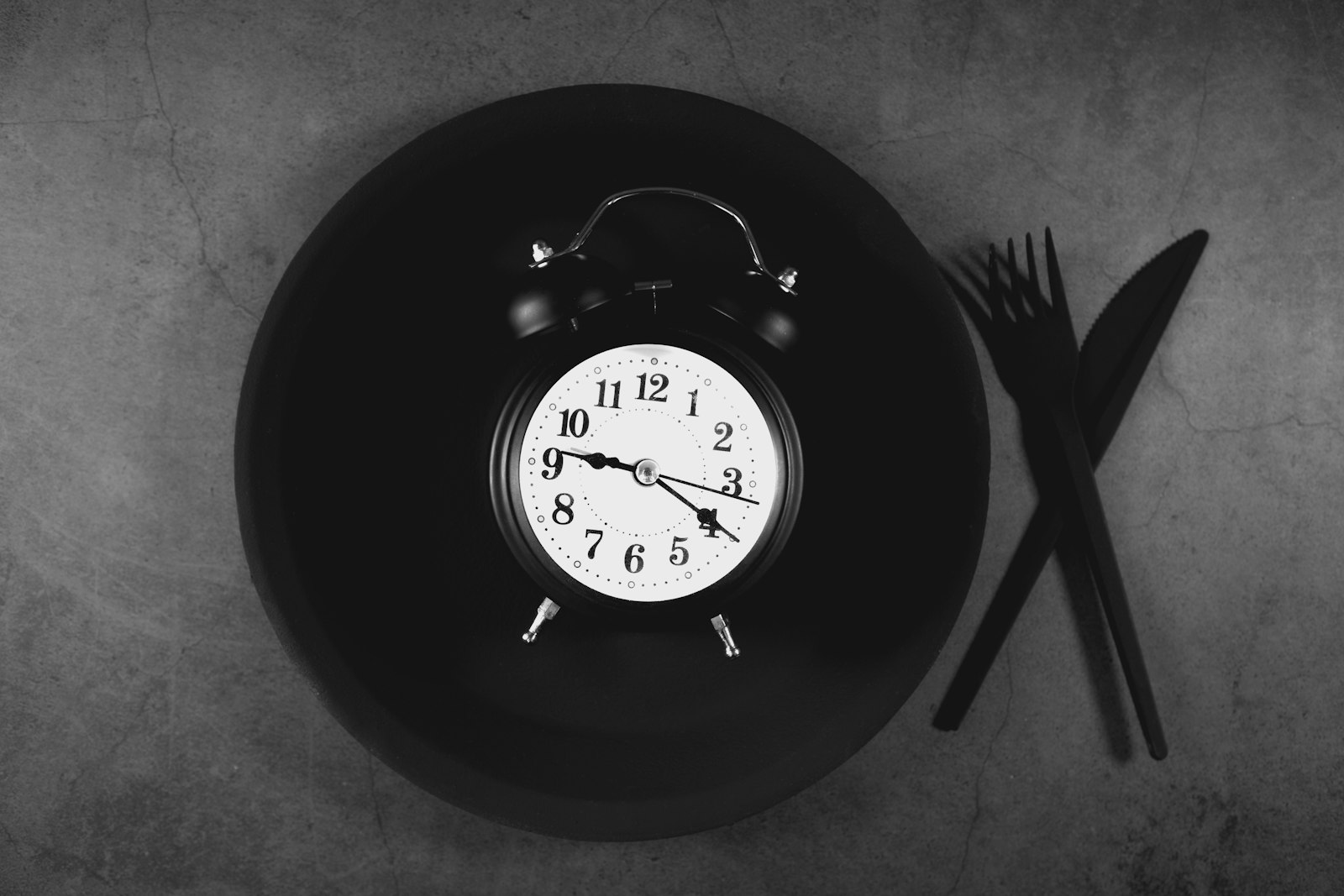
You know the moment. It’s day six of trying intermittent fasting, your lunch feels strangely far away, and you’re wondering whether this is a smart routine settling in or just you being hungry on purpose. Not “is the scale moving?” — just, is this actually working for me?
That’s the better question anyway. If you’re doing a 16:8 schedule or something similar, the earliest useful signs are usually behavioral and practical: your eating window feels less chaotic, hunger gets more predictable, your routine fits real life, and you can keep doing it without white-knuckling every morning. The evidence on time-restricted eating is promising in some areas, but it is also mixed, and recent trial data found no meaningful differences in sleep, mood, or quality of life between several time-restricted eating schedules and usual care over 12 weeks, so the honest bar is sustainable first, not magical. A 2025 JAMA Network Open secondary analysis makes that point pretty clearly.
The simplest test: can you do this again tomorrow without dread?
Before anything else, ask this: Can I repeat this tomorrow without dreading it?
That sounds simple, but it’s the right test. If your fasting window fits your mornings, workday, social life, and training schedule well enough that you’re not constantly renegotiating it, that’s a meaningful sign it may be working for you. It found that practicality, routines, and how well the schedule fit daily life were central to whether people could stick with it.
Good signs:
- You’re not obsessing over the clock all day.
- Your eating window feels structured, not cramped.
- You can handle work, errands, and dinner plans without the plan collapsing.
- Missing perfection by an hour doesn’t send you into an “I blew it” spiral.
Bad signs:
- You’re thinking about food constantly.
- You binge when the window opens.
- Your schedule fights the fasting plan every day.
- You feel like you need heroic discipline just to make it to lunch.
If it only works on your most organized Tuesday, it probably doesn’t work for your actual life.
Five non-scale signs intermittent fasting is working
If you’re avoiding the scale or just want better signals, these are the ones worth watching.
1. Your hunger becomes more predictable
A lot of people expect fasting to erase hunger. That’s not really the deal. A more realistic win is that hunger starts to feel less random and less panicky.
In practice, that can look like:
- morning hunger easing after the first week or two
- fewer “I need something right now” crashes
- a clearer difference between habit hunger and real hunger
- less grazing just because food is nearby
That said, hunger during intermittent fasting is still common, especially early on. JAMA’s patient guidance notes that intermittent fasting can come with side effects like hunger, headaches, weakness, dehydration, difficulty concentrating, low blood pressure, or fainting. So some discomfort at first does not automatically mean failure; the question is whether it settles into something manageable rather than dominating your day. Here’s JAMA’s patient page on intermittent fasting.
2. Your eating window feels calmer, not more chaotic
One underrated sign: when you do eat, the day feels cleaner and less messy.
Maybe you stop the low-grade snacking that used to blur breakfast into lunch into “why am I in the pantry again.” Maybe meals become more deliberate because you know roughly when you’re eating. For some people, fewer eating decisions means less friction. That does not mean fasting magically fixes eating behavior, but it can make the day feel simpler when the structure fits. It is useful here too, because participants often described simplicity and routine as reasons the approach felt easier to maintain.
3. You have fewer all-or-nothing days
If intermittent fasting is working, it usually reduces decision fatigue rather than adding to it.
You may notice:
- fewer late-night “I already messed up” eating spirals
- less negotiating with yourself about every snack
- fewer all-or-nothing days
- an easier time returning to your usual pattern after a social meal or a rough day
That matters because the best nutrition system is rarely the fanciest one. It’s the one with the lowest friction on ordinary days.
If you tend to do better with a little structure instead of constant food decisions, you might also like intermittent fasting for beginners.
4. Your energy is steady enough for normal life
Notice the phrase: steady enough. Not “I became a laser-focused superhuman.”
Research here is mixed. A recent secondary analysis of a randomized clinical trial found no significant differences in sleep, mood, or quality-of-life measures between several time-restricted eating schedules and usual care over 12 weeks. So don’t use “I should feel amazing by next Thursday” as the bar. A better sign is simpler: you can get through work, focus is okay most days, and the plan does not make ordinary life feel punishing. That’s straight from the signal in this 2025 JAMA Network Open analysis.
If your mornings are a bit hungry but manageable, and your overall day still functions well, that’s very different from feeling wrung out.
5. You’re not compensating by overeating when the fast ends
This one is huge.
A fasting routine is probably not working well for you if every eating window opens with “I’m so hungry I’ll eat literally anything in a six-foot radius.” The goal is not to stockpile restraint and then cash it out in chaos.
A better pattern looks like:
- you break the fast normally
- meals feel satisfying, not frantic
- you can stop eating when you’re comfortably full
- you don’t spend the evening making up for the morning
If your fasting window reliably leads to rebound overeating, the setup may be too aggressive, too poorly timed, or just not a good fit. Sometimes the answer is not “try harder.” It’s “use a gentler schedule.”
How long should you give it before judging?
Usually, give it a couple of weeks before you decide whether the structure itself fits you.
Not because the body flips some magical switch on day 14, but because the first several days are often more about routine disruption than useful signal. In everyday terms, a week or two is often enough to notice whether:
- your hunger is settling down
- the schedule fits your life
- your meals are becoming more organized
- you can repeat the pattern without constant friction
If it still feels miserable after that, that’s good information. You do not need to force a method just because it has good branding.
And if you’re still deciding between different fasting windows, 16:8 vs 18:6 vs OMAD is the more useful comparison than trying to force the strictest option by default.
Signs your fasting schedule may be the wrong one
Sometimes intermittent fasting itself isn’t the problem. The version you picked is.
A tight or late eating window may clash with your workday, social dinner, or training time. Recent research comparing early, late, and self-selected time-restricted eating schedules found no significant differences in sleep, mood, and quality of life versus usual care, which is a useful reminder that there may not be one magic clock time that works for everyone. See the JAMA Network Open trial analysis.
A schedule may be too aggressive for you if:
- you’re white-knuckling the whole morning
- you break the fast ravenous every day
- workouts feel badly timed
- dinner with other humans becomes weirdly hard
- you keep “failing” the exact same way
That’s often a sign to loosen the plan, not abandon the idea entirely. A more moderate window you can keep is better than a stricter one you restart every Monday.
The honest tradeoffs
This is the part a lot of fasting content skips.
Intermittent fasting can be useful because it simplifies decisions and gives your day structure. But it also has real downsides. Side effects can include hunger, headaches, weakness, dehydration, difficulty concentrating, low blood pressure, or fainting, according to JAMA’s patient guidance. And not all studies show clear benefits on broader quality-of-life measures, as the 2025 JAMA Network Open analysis makes clear.
So if you’re asking whether it’s working, don’t grade it like a belief system. Grade it like a tool.
A good tool should make at least one part of the day easier:
- fewer eating decisions
- a calmer routine
- better consistency
- less random snacking
- manageable hunger
A bad tool makes the whole day smaller, crankier, and harder to live.
A quick self-check after 2 weeks
After about two weeks, ask yourself:
- Is my hunger more predictable than it was on day one?
- Am I less snacky and random with food?
- Can I get through work and normal tasks okay?
- Does this fit my real schedule, not my fantasy schedule?
- Do I break the fast calmly instead of overeating?
- Could I keep doing this next week without dread?
- Do I feel more structured, not more obsessed?
If you answer “yes” to most of those, intermittent fasting may be working for you — even if the signs are subtle.
If most answers are “no,” that’s not you failing. That’s the method giving you feedback.
What to track if you want a clearer answer
You do not need an elaborate spreadsheet. A few notes are enough.
Track for 10 to 14 days:
- fasting start and end times
- hunger level before your first meal
- energy through the morning and afternoon
- whether meals felt calm or chaotic
- whether the plan fit your day
- whether you felt normal enough to repeat it tomorrow
This kind of logging is useful because intermittent fasting often succeeds or fails in the boring middle of the day, not in some dramatic breakthrough. Patterns show up faster when you stop relying on memory.
This is also the kind of boring consistency job OgamicX is good at. You can track your fasting window in the same place you log meals and workouts, so the day feels less split across five apps. No magic — just one place to notice whether the routine actually fits.
So, how do you tell if intermittent fasting is working for you?
Not by chasing a dramatic feeling. Not by demanding instant proof. And not by assuming discomfort means virtue.
It’s probably working for you if your day feels a little less chaotic, your hunger feels more predictable, your eating window fits your life, and you can keep going without turning every morning into a test of character. That’s the boring answer. It’s also the useful one.
If next week still sounds possible, that’s a sign it’s working.
Keep going:

Written by
The OgamicX Team
Tips, guides, and insight on fitness, nutrition, fasting, and building habits that last — from the team behind OgamicX.
About OgamicXFound this useful? Share it.