
Best App for Healthy Habits and Weight Loss
Best app for healthy habits and weight loss? Look for one place for meals, workouts, streaks, and check-ins—the kind of app you’ll still open in six weeks.
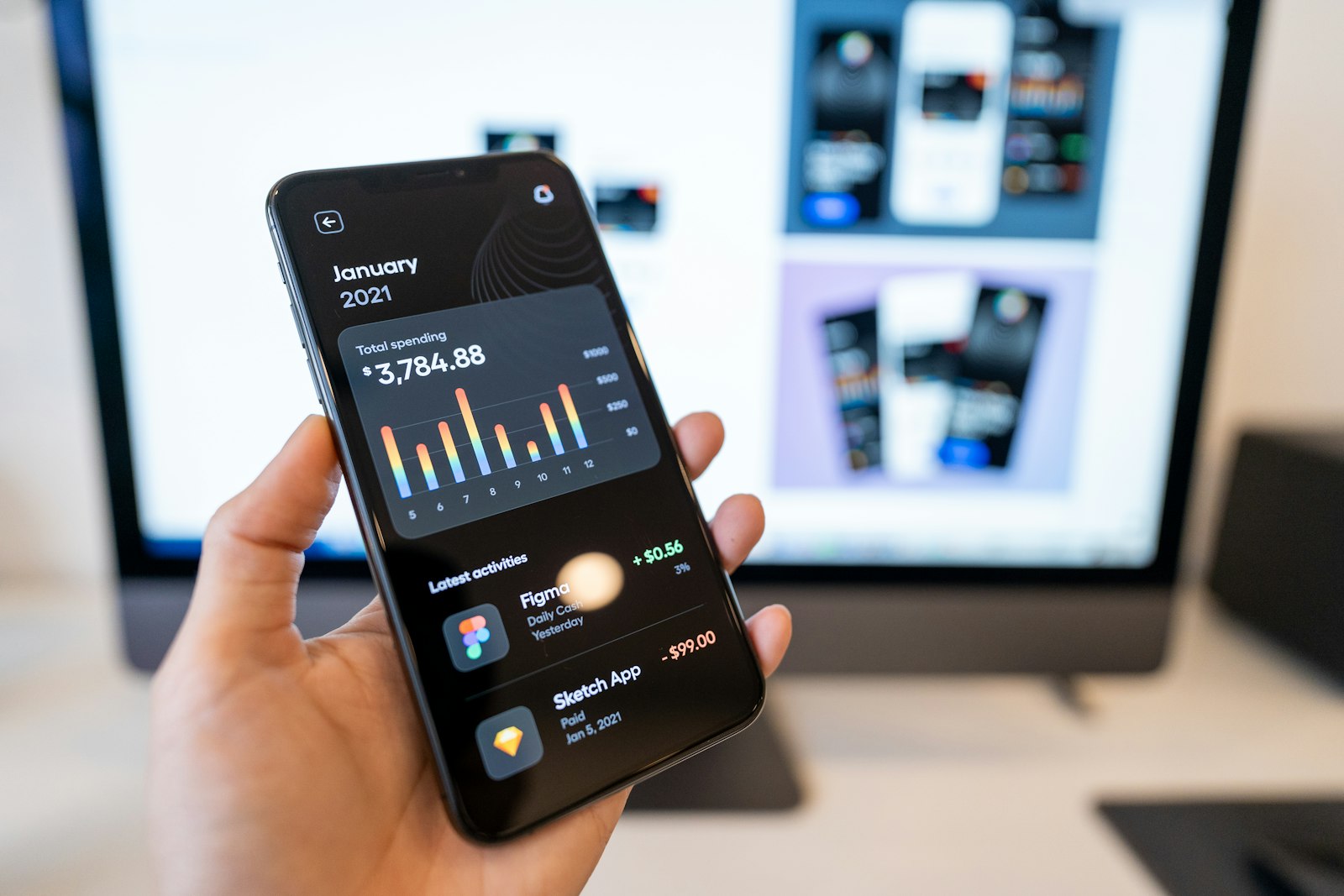
Open your phone and count the icons in your health folder.
There’s usually one app for workouts, one for food, one for fasting, one for steps, and one that promised to “change your life” before going completely silent by week two. That’s the real problem behind searches like best app to build healthy habits and lose weight: not a lack of information, but too many separate systems asking for perfect behavior at the same time.
The short answer: the best app is usually not the one with the most features. It’s the one you’ll still be opening six weeks from now.
Research on mobile weight-management tools keeps landing in the same neighborhood: self-monitoring can help, app engagement matters, and habit-supporting design seems useful—but the evidence is messier than most listicles make it sound, and it is very much not magic on its own. A systematic review of mobile health apps for weight management makes that pretty clear.
What actually makes a habit and weight-loss app worth using
If your goal is “lose weight,” most roundups compare calorie databases, macro charts, and subscription prices. Useful, sure. But they often skip the question that decides whether any of that matters: does the app help you come back tomorrow?
That matters because app engagement is repeatedly tied to better outcomes in weight-management research. The evidence is not perfectly clean, but reviews consistently point to self-monitoring and adherence as some of the load-bearing pieces of the whole thing, as that same weight-management app review found.
So if you’re choosing the best app to build healthy habits and lose weight, I’d judge it on five things:
-
Low-friction logging
If tracking feels like homework, you stop. Fast. -
One place for the whole day
Workouts, meals, and routines should not live in five disconnected apps. -
A reason to return
Streaks, check-ins, progress cues, and small wins matter more than a giant feature list. -
Beginner-friendly without pretending to be effortless
The app should lower the bar, not lie about the work. -
Free version that’s actually usable
“Free” should mean you can genuinely get started, not just look around until a paywall appears.
Why most “best weight loss app” lists miss the point
The usual format is predictable: here’s the calorie counter, here’s the workout app, here’s the fasting timer, here’s the habit tracker. Technically correct. Practically exhausting.
The problem with that setup is behavioral, not just organizational. When you split your effort across separate apps, you also split your cues, your streaks, your reminders, and your sense of progress. You might do a workout, log a meal, and stick to your eating window in the same day—and still feel like you’re “behind” because each app only sees one slice of your life.
That disconnect matters. Reviews of app-based weight-management interventions suggest self-monitoring is one of the more consistent ingredients in successful programs, while engagement and adherence are often the weak link, according to that systematic review on mobile apps in weight management. In plain English: the plan matters, but sticking with the system matters more.
For more on why “best at one thing” often loses to “best at the whole day,” this post should link naturally to stop juggling 5 fitness apps.
The features that matter most for habit change
1. Fast food logging beats perfect food logging
A food log only works if you’ll use it on ordinary Tuesdays, not just on your most motivated Monday of the month.
That’s why speed matters so much. If an app makes food tracking easier—whether through a clean manual log, saved meals, or photo-based help—it has a better shot at becoming a habit. Evidence reviews on mobile weight-management tools consistently point back to self-monitoring as a useful behavior-change component, including the systematic review of mobile apps for weight management.
The honest tradeoff: convenience is not the same thing as perfect precision. If an app promises absolute certainty from every meal photo, be skeptical. Consistent enough to keep using usually beats technically perfect but abandoned after nine days.
2. Gamification helps, but only when it supports the behavior
Gamification gets oversold and underexplained. No, points and badges do not magically create discipline. But well-designed game elements can make repetition feel more visible and rewarding, which is exactly what habits need in the boring middle.
A review of popular health and fitness apps found gamification features were common, though used unevenly. More recent evidence suggests gamification can improve physical activity and engagement, though effect sizes vary and the research base is still developing. So the smart take is not “gamification works for everyone.” It’s “for some people—especially the app-tired, game-motivated crowd—it can make showing up easier.”
Good gamification looks like:
- streaks that reward consistency
- milestones that make progress visible
- weekly goals that feel winnable
- social or leaderboard features if they motivate you
Bad gamification looks like:
- guilt dressed up as motivation
- notifications with no context
- streak systems so brittle that one bad day makes you quit
If you want the deeper version of that idea, this post should also link to what makes a fitness app stick.
3. Check-ins beat silence
One thing a lot of apps get wrong: they wait for you to be motivated enough to open them. That’s backwards.
Reviews of smartphone-based physical-activity interventions describe recurring ingredients like feedback, goal-setting, and self-monitoring, and note that prompts and support features are common parts of these designs. That does not mean every notification works, and it definitely does not mean more notifications are always better. It means an app should help carry some of the remembering for you.
In real life, a good check-in feels less like nagging and more like a tap on the shoulder.
4. The app should support habits, not just outcomes
This is subtle, but it matters. The best app for healthy habits and weight loss should care about behaviors you can repeat: meals logged, workouts completed, routines kept, windows closed, consistency maintained.
That’s partly because short-term outcomes are noisy while behaviors are visible today. If an app only motivates you when the scale is behaving, it’s built on shaky ground. Better systems make the repeatable action visible, then let the longer-term results catch up.
How to judge the best app for you
A simple test: imagine a low-energy Wednesday.
You slept badly. Work ran late. Dinner was whatever was easiest. You are not about to lovingly enter 14 ingredients into a nutrition app and then switch to a workout app and then open a third app to start a fasting timer. Your “best app” is the one that still works on that day.
Ask these questions before downloading anything:
Is the setup simple enough that I’ll finish it?
If onboarding feels like tax paperwork, that’s a bad sign.
Can I log food and activity without turning it into a second job?
Fast beats fancy.
Does it make consistency visible?
Look for streaks, milestones, history, and some kind of weekly rhythm.
Does it help after a missed day?
A harsh reset is not habit-friendly design.
Is the free version usable?
You should be able to build a real routine before deciding whether paid features are worth it.
The honest tradeoffs in this category
No app is going to do the hard part for you. That includes the good ones.
Also, “best” depends on what kind of user you are. If you love spreadsheets, gram-level tracking, and ultra-detailed analytics, a broad all-in-one app may feel too lightweight. If you’re an advanced lifter with highly specific programming needs, you may prefer a dedicated training tool. If you want deep coaching from a human who knows your history, an app is not the same thing.
But for the person searching this keyword—usually someone who wants to eat a little better, move more consistently, and stop starting over—the sweet spot is often not the most hardcore tool. It’s the one that makes the next right action easy enough to repeat.
So what’s the best app to build healthy habits and lose weight?
For most people, the best app is an all-in-one app with habit mechanics—not just a calorie tracker, not just a workout library, and not just a fasting timer. You want one place that helps you:
- log meals quickly
- keep workouts visible
- track routines over time
- get nudged back before a slip turns into a disappearance
- feel progress in the form of streaks, milestones, or weekly wins
That combination lines up better with what the research suggests than the usual “pick one app for each job” advice. Self-monitoring helps. Engagement helps. Prompts and ongoing support can help. Gamification can help some people stick around longer. The hard part is getting those pieces to work together in a way you’ll actually live with, as reflected across the mobile weight-management review and the gamification review of popular health apps.
Where OgamicX fits, if this is your kind of problem
If your main issue is not knowledge but drop-off—you start, juggle too many tools, then quietly stop opening all of them—this is the kind of problem OgamicX is built for.
Not because it promises magic. Because it keeps the whole day in one place: workouts, meal logging, intermittent fasting, streaks, and gamified progress cues instead of making you stitch together separate apps yourself. The free version is genuinely usable: you can log meals manually, use AI MealScan up to 3 times per day, keep streaks alive through activity across training, nutrition, or fasting, use 16:8 fasting, chat with Ogi, and get Care Plan check-ins. Premium unlocks unlimited MealScans, AI-personalized workout plans, more fasting protocols, playlist selection, and a few other upgrades. It’s free to download, no card required.
The part I’d emphasize here is not “AI.” It’s completeness. If you do a workout, scan a meal, or close your fasting window, that all contributes to the same system instead of five disconnected ones.
And if you want the companion piece, read what makes a fitness app stick.
Bottom line
If you’re comparing apps, don’t ask only, “Which one is best for weight loss?” Ask, “Which one makes healthy habits easiest to repeat?”
That’s the better filter.
Because the app that wins on paper is not always the app that survives contact with your actual life. And the app that survives your actual life is usually the one that helps you come back tomorrow.
Keep going:

Written by
The OgamicX Team
Tips, guides, and insight on fitness, nutrition, fasting, and building habits that last — from the team behind OgamicX.
About OgamicXFound this useful? Share it.