
Every Workout Is a Vote for Who You Become
Every workout is a vote for who you become. Use identity-based habits, small repeatable cues, and a lower bar to make exercise easier to stick with.
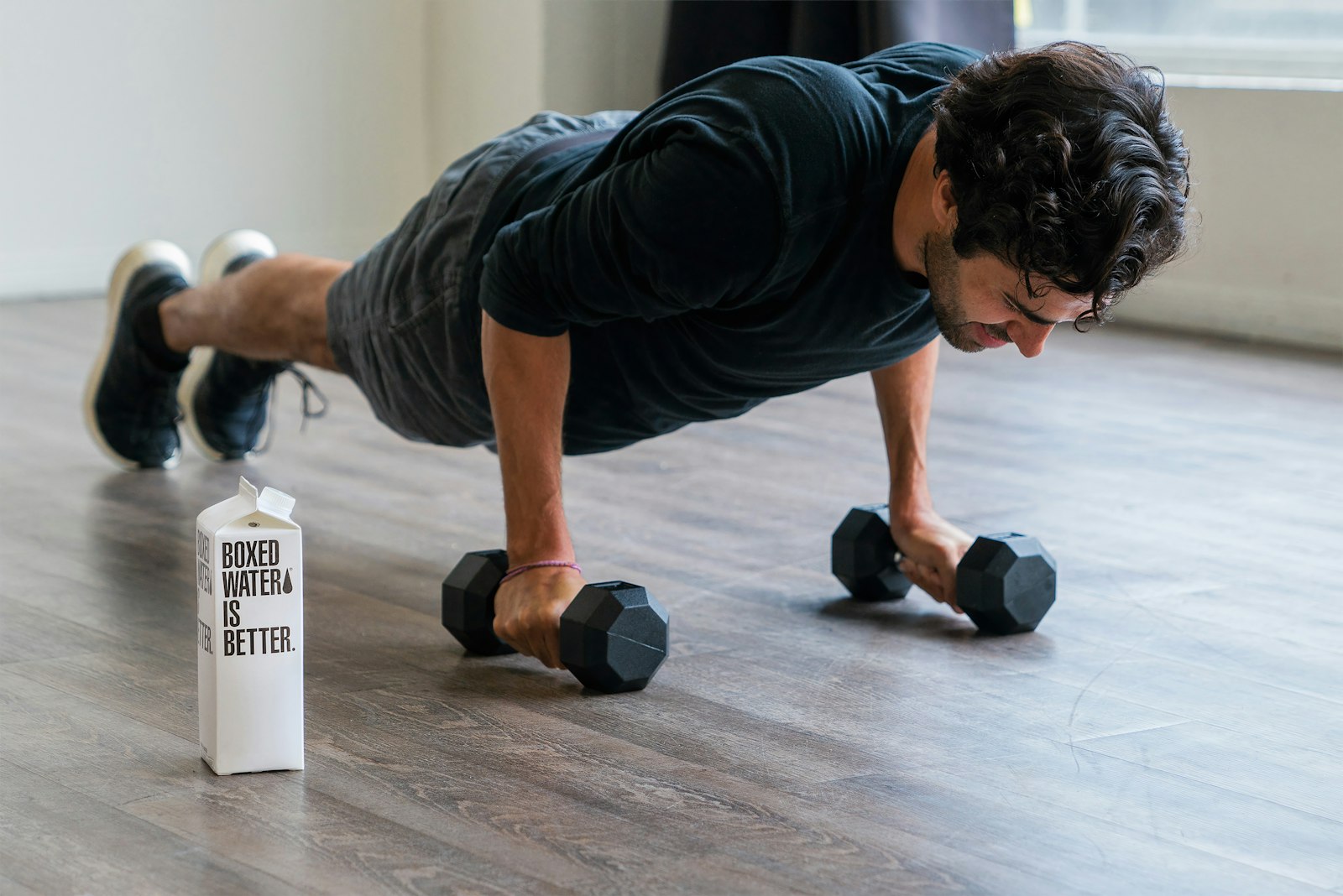
You know that moment right before a workout when your brain starts negotiating like a tiny lawyer. It’s raining. You’re tired. You already missed Tuesday. Surely one more skip doesn’t matter.
Here’s the useful answer: one workout usually does not change everything. But it does cast a vote for the kind of person you’re becoming.
That framing matters because habits tend to stick better when the behavior feels connected to identity, not just outcomes. Repetition in a stable context helps behavior become more automatic over time, and identity can give those repetitions meaning. That’s the whole idea here: stop asking, “Will this one workout change everything?” Start asking, “What does doing this today say about me?” identity-based motivation research and the classic habit-formation paper
What “every workout is a vote” actually means
The phrase works because it shifts the point of exercise.
Instead of treating each session like a pass/fail test, you treat it like evidence. Ten push-ups before your shower? Evidence that you are someone who shows up. A 20-minute walk after work? Evidence that movement is part of your day. You’re not trying to win the election in one vote. You’re trying to keep voting in the same direction.
That identity layer is not just motivational wallpaper. Research on identity-based motivation suggests people are more likely to act when a behavior feels consistent with who they are, or who they’re becoming. That does not make identity magic. It just means the story you attach to the action can make showing up feel more coherent. See our deeper take on identity-based habits.
Why this works better than “I need more motivation”
Because motivation is a bad main character.
If your whole plan depends on feeling fired up at 6:30 p.m., you’ve built your routine on weather. Some days will be sunny. Many won’t.
Habit research points in a less dramatic direction: repeated behavior in a reliable context can gradually become more automatic, which lowers the effort needed to start. In the often-cited Lally study, habit strength rose over time and reached a plateau after an average of 66 days, though the range was wide. Missing the occasional chance did not seriously impair the process. That is a much more useful frame than “I blew it.” the Lally habit-formation study
That last part matters. A missed workout is not proof that you’re “not that person.” It’s one vote you didn’t cast. The election is still on.
The practical version: cast smaller votes
This is where people mess it up. They hear “become the kind of person who works out” and immediately design a five-day split, buy new gear, and try to live like a fitness influencer by Monday.
That’s too big.
If identity is built by repeated evidence, then small repeatable actions beat heroic bursts. The vote only counts if you can actually cast it often enough. A recent systematic review of habit-formation interventions for physical activity found that habit-based approaches can help, but the real lever is not intensity for its own sake. It’s building repeatable cues and automaticity around the behavior.
A better starter list looks like this:
- 5 minutes of bodyweight work after you change clothes
- one walk before dinner
- one short home workout every Monday, Wednesday, Friday
- a “minimum version” for low-energy days
- the same warm-up song every time you begin
None of these are impressive on paper. That’s why they work.
If you want the same idea applied to rougher weeks, read how to keep a workout habit when life gets busy.
How to use identity without becoming weirdly hard on yourself
The “votes” idea goes sideways when people turn it into guilt math.
They think: if workouts are votes, then skipping once means I voted against myself. Then the spiral starts. “I already broke the streak, so what’s the point?” That’s exactly the trap you’re trying to avoid.
The more useful version is this:
- A workout is a vote, not a verdict.
- One missed day is data, not a character reference.
- Your goal is trend, not perfection.
That lines up with the evidence better too. In the same Lally study, an occasional miss did not meaningfully derail the growth of automaticity over time. So if you miss Thursday, the next move is boring: vote again Friday. the original paper
The kind of identity that actually helps
“Become a different person” is too abstract. Give yourself a smaller identity target.
Try one of these instead:
- I’m someone who does something, even on busy days.
- I’m someone who keeps promises to future me.
- I’m someone who resets fast.
- I’m someone who trains at home instead of waiting for perfect conditions.
- I’m someone who doesn’t make every workout all-or-nothing.
That last one is underrated. If your identity requires every session to be intense, long, and cinematic, you’ll only “be that person” on your best days. A smaller, repeatable version gives you more chances to act in line with the identity you actually want.
A simple way to make this real this week
Here’s the low-drama system.
1. Pick the identity first
Not “I want results.”
Try: I’m becoming someone who doesn’t skip twice.
Or: I’m becoming someone who moves every weekday.
Make it small enough to survive real life.
2. Define the smallest valid vote
This is your floor, not your ideal.
Examples:
- 10 squats
- one lap around the block
- 5 minutes of movement
- one short bodyweight circuit
If your only valid workout is 45 minutes, you’ll stop voting the second life gets noisy.
3. Attach it to a cue
Habit formation tends to work better when the behavior repeats in a consistent context. So tie the workout to something that already happens. the habit-formation study
Examples:
- After coffee, I do 10 squats.
- After work, I put on workout clothes before I sit down.
- After brushing my teeth, I do my quick mobility warm-up.
- After lunch, I go for a 10-minute walk.
4. Keep proof visible
Identity grows from evidence. Give yourself receipts.
That might be a calendar, notes app, checklist, or streak tracker. The point is not surveillance. The point is to stop letting your brain say, “I never stick to anything,” when you literally have two weeks of proof sitting there.
The honest tradeoff
The identity approach is powerful, but it is not instant.
You may not feel like “a fitness person” for a while. That’s normal. The automatic part tends to build gradually, and timelines vary a lot from person to person and behavior to behavior. The average from the often-cited study was about 66 days, not 7, not 21, and certainly not overnight. the original paper
Also, identity alone is not enough if your environment keeps beating you up. If your workouts are hard to start, hard to track, and easy to forget, you don’t need more self-belief. You need less friction.
Where OgamicX fits, if this is your problem
If your real issue is not knowledge but follow-through, this is exactly where a tool can help.
OgamicX makes the “votes” idea easier to live out because the app is built around consistency, not perfect days. One unified streak can stay alive through different kinds of effort — a workout, a meal log, or a closed fasting window all count as showing up inside the same system. And if life gets messy, its Duolingo-style streak shields are designed to cover the occasional missed day instead of turning one slip into a full reset.
It also has Care Plan check-ins from Ogi, which means the app can nudge you when you’re drifting instead of waiting silently for you to become a brand-new person on your own. That’s the whole point: fewer broken promises, fewer broken streaks, more small votes in the right direction.
It’s free to download and doesn’t require a card to start.
The line to remember
Every workout is a vote for who you become.
Not because one workout is huge. Because most of the time, it isn’t.
It matters because identity is built the same way habits are built: through repeated evidence. Show up often enough, in a stable enough way, and the thing that felt like effort starts to feel more like you. the habit-formation paper
So on the days when your brain asks whether this one session even counts, the answer is yes.
It counts as a vote.
Keep going:

Written by
The OgamicX Team
Tips, guides, and insight on fitness, nutrition, fasting, and building habits that last — from the team behind OgamicX.
About OgamicXFound this useful? Share it.