
Build a Workout Routine You’ll Actually Stick To
Build a workout routine you’ll actually stick to by starting smaller, using clear cues, and planning for low-energy days instead of relying on motivation.
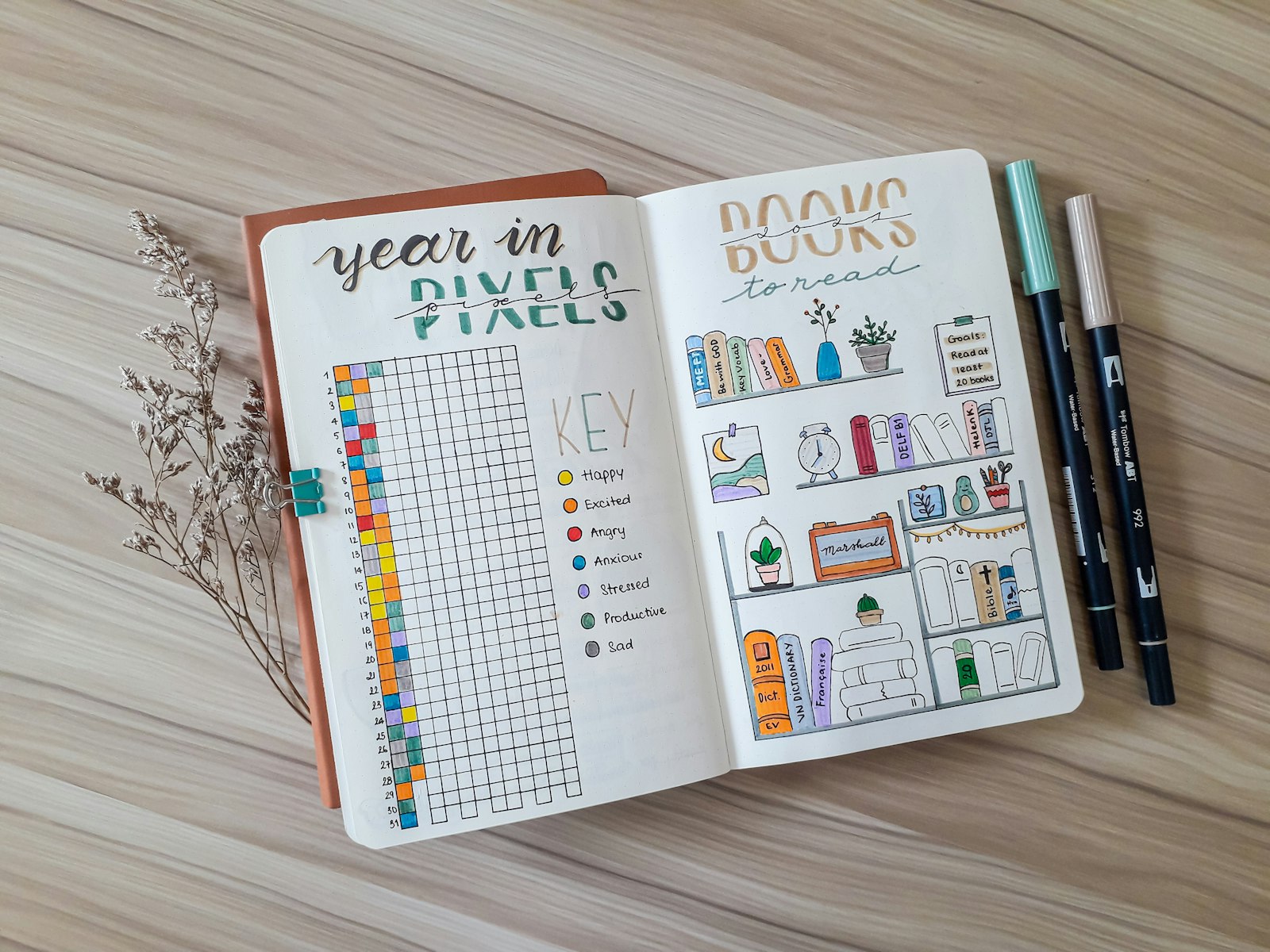
You know the moment. Sunday night, fresh notes app open, weird burst of optimism in your chest. This week will be different. You map out six workouts, color-code the days, maybe even pick a “new me” playlist. Then Wednesday shows up with bad sleep, a long meeting, and one tiny inconvenience, and the whole routine slides off the table.
That usually gets framed as a discipline problem. It’s often not.
If you want a workout routine you’ll actually stick to, the goal is not to design the most impressive plan. It’s to design one that survives normal life: busy days, low-energy days, travel, missed sessions, and the very boring middle where motivation stops performing for you. A 2023 meta-analysis on physical-activity habit interventions found they can help, but the effects were modest rather than magical, and stronger results were linked more to practical tools like planning and problem solving than raw hype or pep talks alone. a 2023 meta-analysis on physical-activity habit interventions
Building a workout routine you’ll actually stick to starts smaller than you want
Most people fail at this step because they build for their best mood instead of their real week.
A routine you can stick to should feel almost a little underwhelming at first. That’s not you aiming low. That’s you leaving room for reality.
A better first version looks like this:
- 2 to 4 workout slots per week
- 20 to 40 minutes each
- a fixed time or trigger
- a backup minimum version
- one rest-day plan that doesn’t feel like quitting
If you’re restarting after a break, start at the low end. Two solid sessions you repeat for a month beats a heroic seven-day schedule that dies by next Thursday.
If you want help setting that floor, our guide to how to start working out at home is a good next step.
Pick the routine shape before you pick the exercises
People love debating push-pull-legs, full body, upper-lower, home vs gym. Those questions matter, but not first.
First ask: what routine shape fits your life without negotiation?
The best workout routine is the one your week can hold
Use your actual schedule, not the one from your fantasy life.
For most beginners or restarters, these are the easiest shapes to stick to:
Option 1: Full body, 3 days a week
Best for: busy people, beginners, anyone who misses days sometimes.
Example:
- Monday
- Wednesday
- Saturday
Why it works: if you miss one day, the week isn’t ruined. There’s built-in forgiveness.
Option 2: Short workouts, 4 days a week
Best for: people who hate long sessions but can handle frequent ones.
Example:
- Monday 25 min
- Tuesday 25 min
- Thursday 25 min
- Saturday 25 min
Why it works: the barrier to starting stays lower.
Option 3: The anchor routine
Best for: chaotic schedules.
Example:
- Two non-negotiable anchor days
- One optional bonus day
Why it works: you always know the minimum win for the week.
That last one is underrated. A lot of consistency comes from knowing what “enough” looks like.
Give every workout a clear cue
“Work out sometime tomorrow” is barely a plan.
A systematic review and meta-analysis on implementation intentions in adults found that planning the when, where, and how of physical activity improved follow-through. In plain English: vague intentions leak; concrete plans hold. a systematic review and meta-analysis on implementation intentions for physical activity
So don’t just say:
- I’ll work out Monday
Say:
- After I make coffee on Monday, I’ll do my 25-minute workout in the living room
- At 6:15 p.m. after work on Wednesday, I’ll go straight to the gym before I sit down
- After I shut my laptop on Friday, I’ll change clothes immediately and start my session
That cue matters because it removes one decision. And fewer decisions usually means fewer escape hatches.
Build a routine around minimum versions
This is the part most gym-chain articles skip. They tell you how to build the ideal routine, not the one that survives a rough day.
For each workout day, define a minimum version in advance:
- 10 minutes instead of 30
- 2 exercises instead of 6
- one walk plus one strength circuit
- a single set of the main movements
This is not cheating. This is continuity.
The routine you stick to is usually the one that gives you a way to stay in the game when the day goes sideways. In a 2024 trial testing different exercise-behavior components, the preparation-habit piece showed some of the clearest benefits for exercise participation, which fits the real-world idea that making it easier to begin often matters more than perfect programming. a 2024 trial on exercise preparation habits
A minimum version is an anti-spiral device. It stops one hard day from turning into “I guess I’ve fallen off again.”
That’s also why posts like what to do when you miss a workout day matter more than another “perfect plan” article.
Make the routine feel good enough to repeat
This sounds soft. It isn’t.
A 13-week longitudinal study on exercise habit formation found that more positive feelings around exercise were associated with greater automaticity in returning to it. That doesn’t mean every workout has to be euphoric. It does mean dread is a bad long-term strategy. a 13-week longitudinal study on affect and exercise habit formation
So if you’re building a workout routine you’ll actually stick to, avoid these common traps:
- starting with workouts that are too long
- choosing exercises you hate because they look “serious”
- training so hard you feel wrecked for two days
- copying a split built for someone far more advanced
- making every session a test of character
A good early routine should leave you with some version of: yeah, I could do that again.
That might mean:
- walking plus bodyweight circuits
- strength training with generous rest
- short cardio you don’t dread
- repeating the same simple structure for weeks
Boring is fine. Repeatable is better than novel.
Use problem-solving, not self-blame
One of the more useful findings in that same 2023 meta-analysis was that problem solving was associated with better results in physical-activity habit interventions. That lines up with real life: people who stick with a routine are not people with zero obstacles. They’re people who plan for obstacles. the same 2023 meta-analysis
Before your routine starts, write answers to these:
What happens if I miss a workout?
Pick the rule now, not in a guilty mood later.
Example:
I do not make up missed workouts by doubling tomorrow. I just resume at the next planned session.
What happens if I’m low on energy?
Example:
I do the minimum version first, then decide whether to continue.
What happens if work runs late?
Example:
If I miss my evening slot, I do a 10-minute home version before bed or shift it to tomorrow morning.
What happens if I travel?
Example:
I switch to walking, bodyweight work, or a short hotel-room circuit.
That is a real routine. Not just a schedule, but a recovery system.
Keep the first 6 weeks weirdly simple
The biggest mistake in week one is adding too many moving parts.
For the first month or so, keep these things stable:
- same workout days
- same general time
- same location if possible
- same warm-up
- same 5 to 8 core movements
You are not trying to maximize novelty. You are trying to make the start of the routine feel familiar enough that your brain stops treating it like a debate.
There’s also a useful honesty point here: the research supports planning, repetition, and habit-building, but it does not support a neat promise that a workout routine will lock in by some magic day for everyone. If you want a grounded timeline, think in weeks and months, not “21 days.” If you want the fuller version of that, read how long to form a habit.
A simple template for building a workout routine you’ll actually stick to
If you want a practical starting point, use this.
Step 1: Choose your weekly floor
Pick the number you can hit on a busy week.
For most people:
- beginner: 2 workouts
- building momentum: 3 workouts
- already somewhat active: 4 workouts
Your floor matters more than your ceiling.
Step 2: Pick your cue
Attach each workout to something concrete:
- after coffee
- after work
- after dropping kids at school
- before showering at night
- after changing into home clothes
Step 3: Pick your workout length
Be honest.
Good defaults:
- 20–30 minutes if consistency is the main goal
- 30–45 minutes if you already have momentum
Step 4: Build a minimum version
Example:
- normal workout = 30 minutes
- minimum version = 10 minutes
Step 5: Repeat the same structure for 4 to 6 weeks
Do not rebuild the plan every Sunday because you got inspired by someone else’s routine.
Step 6: Decide your missed-day rule
Use something gentle and boring:
- never miss twice if you can help it
- no punishment workouts
- resume, don’t restart from zero
What a stickable beginner week can look like
Here’s a routine shape that works for a lot of people:
Monday — full body, 25 minutes
- squat variation
- push-up variation
- hinge or glute bridge
- row or band pull
- plank
Wednesday — cardio or brisk walk, 20 to 30 minutes
- easy run, cycle, or fast walk
Saturday — full body, 25 minutes
- repeat Monday with small changes
Minimum version for any day
- 10-minute walk
- 1 round of the circuit
- stop there if needed
That’s enough to build rhythm. You do not need a cinematic routine to become consistent.
The honest tradeoff
A routine you’ll actually stick to may not look impressive on paper.
It may be shorter, simpler, and less optimized than the plan you wish you were the kind of person to follow. But “pretty optimized and abandoned” loses to “slightly basic and repeated” every time.
That’s the tradeoff: ego gets a little less to show off. Your real life gets a plan it can carry.
When it helps to use an app
You do not need an app to build a workout routine you’ll actually stick to. A paper calendar, a notes app, and one clear cue can absolutely work.
But if your pattern is less “I don’t know what to do” and more “I keep falling off because the whole thing lives in five different places,” then the right app can remove friction. That’s the late-earned case for OgamicX. It keeps workouts, meals, fasting, and streaks in one place, and the same streak can stay alive through different kinds of healthy actions instead of acting like one missed workout erased your whole week. It’s free to download with no card, and if you like structure, the app can also check in on you through Care Plan without pretending to magically rewrite your plan for you.
That’s not mandatory. It’s just useful if your real enemy is app-juggling, not knowledge.
The version to remember
If you only keep one line from this whole post, keep this one:
Build your workout routine for the week you actually have, not the life you’re trying to prove you deserve.
That means:
- fewer days
- clearer cues
- shorter sessions
- a minimum version
- a missed-day rule
- enough repetition to feel familiar
The problem usually isn’t you. It’s the strategy. And the routine you’ll actually stick to is rarely the most intense one. It’s the one that still makes sense on an ordinary Tuesday.
Keep going:

Written by
The OgamicX Team
Tips, guides, and insight on fitness, nutrition, fasting, and building habits that last — from the team behind OgamicX.
About OgamicXFound this useful? Share it.