
What to Do When You Don’t See Workout Results Yet
What to do when you don’t see workout results yet: why early progress is often invisible, what to track instead, and how to keep going without panic.
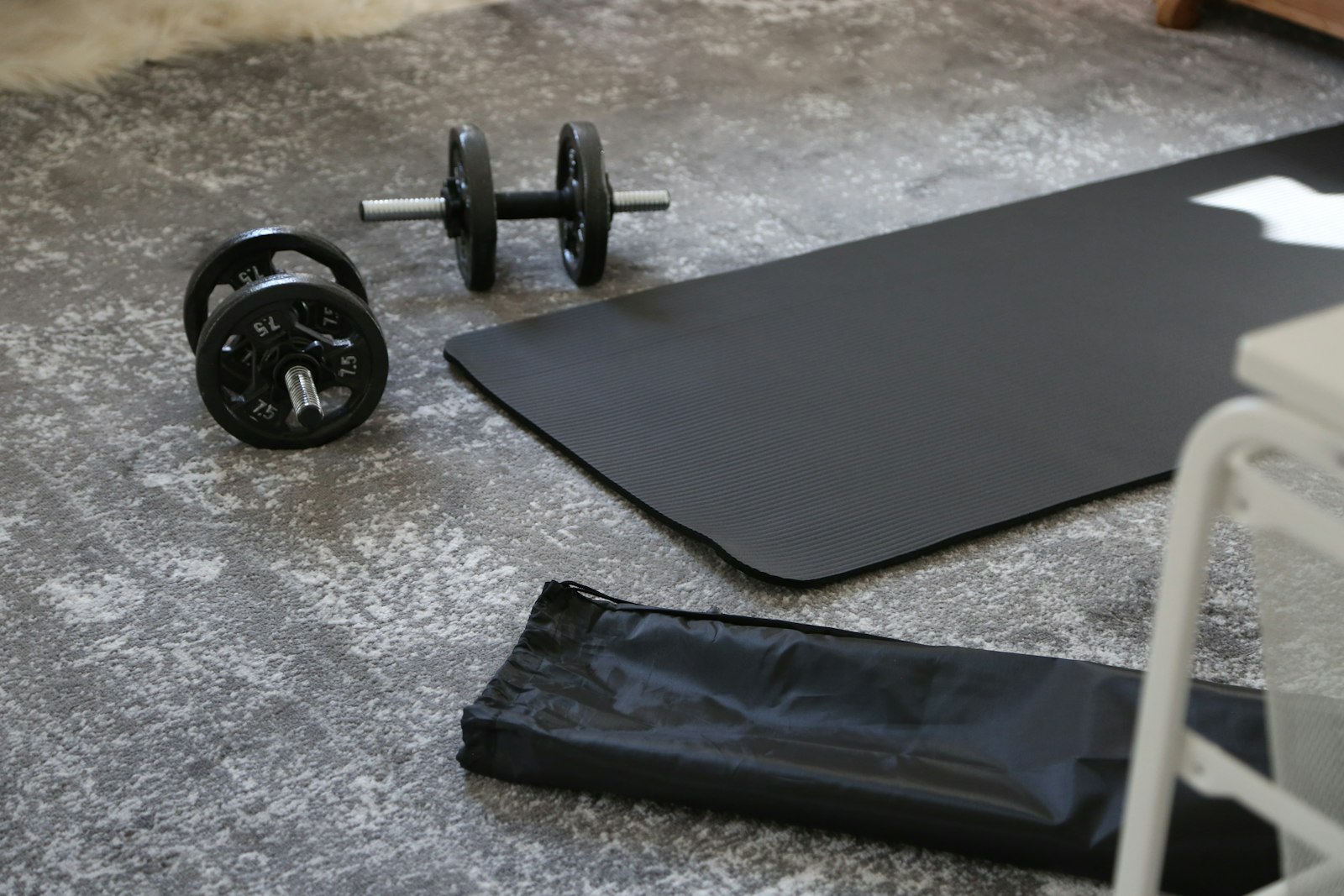
You know the moment. You’ve been showing up, checking the box, maybe even turning down the little voice that says “skip it today,” and somehow it still feels like… nothing. No dramatic change. No obvious payoff. Just sore legs, a sweaty shirt, and the annoying suspicion that maybe this isn’t working.
Here’s the short answer: if you don’t see workout results yet, don’t assume the plan is broken just because the payoff is still invisible. Early progress often shows up as better consistency, better coordination, better energy, or workouts feeling less chaotic before it shows up in ways you can easily point to. The move right now is not “try harder.” It’s to tighten the basics, give the process a real runway, and track signs of progress that aren’t just visual.
The invisible phase is real
This is the part generic fitness advice skips. Early on, your body and brain are learning the pattern before the results look obvious from the outside. In strength training, early gains are often driven more by neural adaptations, while muscle-size changes usually take longer to build with continued training, as outlined in this review of endurance and strength-training adaptations.
That matters because it explains why week three can feel weirdly unrewarding. You might be getting better at the movement, recovering better, or handling the session with less mental drama, and still think “nothing’s happening” because the result you wanted was the visible one.
So first: don’t read “not obvious yet” as “not working.”
Give it a real timeline, not a weekend verdict
A lot of people quietly expect a verdict after 10 days. That’s just too short for most training goals. The CDC’s adult activity guidance recommends at least 150 minutes of moderate-intensity activity each week plus muscle-strengthening activity on 2 days per week, and the whole point of that guidance is regular weekly practice, not a short burst of effort followed by panic, as the CDC’s adult physical activity overview explains.
If you’re only a couple of weeks in, the better question is:
Have I been consistent long enough to judge this fairly?
Usually, the honest answer is no.
If you need a fuller reset on expectations, read our guide on how long it takes to form a habit. The short version: count in weeks and months, not a few emotional check-ins after random workouts.
What to do when you don’t see workout results yet
1. Stop using only the mirror as your scoreboard
If your only definition of progress is “I look different right now,” you’re going to quit during the exact phase when the habit is still trying to lock in.
Use a wider scoreboard for the next few weeks:
- Are you missing fewer planned sessions?
- Do the first 10 minutes feel easier than they used to?
- Are you recovering faster between sessions?
- Are exercises feeling more coordinated or less awkward?
- Are you spending less time negotiating with yourself before you start?
Those count. They’re not fake consolation prizes. They’re often the first signs that training is taking hold. One longitudinal study on exercise habit formation found that positive feelings after exercise may help support habit automaticity over time, in the context of repeated behavior, as shown in this study on affect and exercise habit formation.
2. Check whether you’re actually consistent enough to evaluate anything
This is the boring answer, which is why it’s usually the right one.
A plan can be decent and still fail to show much if your pattern is:
- three workouts one week
- zero the next
- one “make up for it” monster session
- then a full reset on Monday
That’s not enough repetition to judge the plan. The habit side of this matters too: repetition in a stable pattern is a big part of how exercise starts to feel more automatic, even if the exact timeline varies a lot by person, which is the cautious takeaway from that same exercise habit-formation study.
If your consistency is patchy, don’t overhaul everything. Shrink the target until it becomes repeatable. A smaller plan you can actually keep beats an ambitious one you keep restarting.
If that sounds familiar, streaks beat willpower is the bigger idea underneath this whole problem.
3. Make the workout easier to start
A lot of “no results” frustration is really a setup problem. You’re spending all your effort getting yourself to begin, so you never build enough clean reps across weeks.
Lower the activation energy:
- Put the session at the same time of day
- Choose fewer exercises, not more
- Decide the workout the night before
- Make your “minimum version” embarrassingly easy
Think: “put on shoes and do 10 minutes,” not “become a new person by 6 a.m.”
The point is to make showing up boring. That’s good. Boring is how habits survive real life.
4. Look for performance clues before visual ones
Before a result becomes obvious, it often becomes measurable in small ways.
Ask:
- Can I finish the session with less dread?
- Can I do the same workout with better control?
- Am I resting less between rounds?
- Am I sticking to my weekly plan more often?
That’s progress. Early training adaptations don’t always announce themselves visually, but they often show up in how the work feels and how competently you can do it, which fits the pattern described in this strength-training adaptations review.
5. Make sure your goal matches your behavior
This one stings a little, but kindly: sometimes people say “my workouts aren’t working” when what they really mean is “my actions and my expectations aren’t lined up.”
If your goal is general fitness, energy, strength, or building a routine, then regular movement and strength work are the job. If your weekly pattern is still inconsistent, your first target is adherence, not optimization. The CDC’s guidance for adults is simple here: move regularly, include strength work each week, and remember that some activity is better than none.
You don’t need a more advanced strategy yet. You need enough reps at the basics to create momentum.
A good mid-course check: ask these 5 questions
Before you change your whole routine, ask:
- Have I followed this consistently for at least a few weeks?
- Am I doing enough weekly activity to meet the basic bar?
- Is the plan simple enough to repeat when life gets messy?
- Am I tracking non-visual wins, or only visible ones?
- Am I expecting a dramatic result from a still-fragile habit?
If the answers are messy, that’s actually useful. It means the issue probably isn’t “you’re failing.” It’s that the system still has too much friction.
What not to do
When you don’t see workout results yet, these are the moves that usually make it worse:
Don’t program-hop every 9 days
Changing the whole plan too fast keeps you in beginner mode. You never stay with anything long enough to learn whether it works.
Don’t punish yourself with a bigger plan
The answer to “I’m discouraged” is almost never “add more complexity.” Usually it’s “reduce friction and keep going.”
Don’t turn one quiet week into a full identity crisis
Missing a few sessions or feeling underwhelmed does not mean you’re bad at this. It means you are in the same annoying middle that almost everyone hits.
Don’t confuse invisible with imaginary
If workouts feel smoother, starting is easier, and your weekly rhythm is getting more stable, something is happening. It just may not be the flashy part yet.
The practical reset
If I had to make this brutally simple, here’s the reset:
For the next 2 to 4 weeks, stop chasing dramatic proof and chase repeatable proof.
Pick a plan you can actually keep. Hit the basic weekly activity floor. Track whether you showed up, whether the workout felt more manageable, and whether starting got easier. That is the phase that builds the phase after it.
It’s not sexy. It is effective.
Where OgamicX actually helps here
This is exactly the moment when people usually bail: the results are still quiet, so the app goes silent, motivation drops, and the whole thing starts to feel pointless.
A better system gives you something to protect before the visible payoff arrives.
That’s where OgamicX fits naturally. The unified streak means a workout, a logged meal, or a completed fasting window all keep the same chain alive, so one imperfect day doesn’t make the whole week feel broken. Streak Shields give you a Duolingo-style buffer for a missed day, and Care Plan check-ins from Ogi can nudge you when your pattern starts slipping instead of waiting until you’ve disappeared completely. If the real problem is surviving the invisible phase, that kind of consistency engine makes more sense than relying on motivation alone.
And because it’s freemium, it’s free to download, no card.
The bottom line
If you don’t see workout results yet, the smartest move is usually not to quit and not to blow up the plan. It’s to recognize that early progress is often quieter than people expect, then make the routine easier to repeat until the invisible work has time to become visible.
The problem usually isn’t you. It’s that you’re trying to judge the movie from the first few minutes.
Keep going:

Written by
The OgamicX Team
Tips, guides, and insight on fitness, nutrition, fasting, and building habits that last — from the team behind OgamicX.
About OgamicXFound this useful? Share it.