
Gym Intimidation: How to Feel Less Watched (Really)
Gym intimidation feels brutal, but the audience is imaginary. Here's how to feel less intimidated at the gym: the spotlight-effect science, plus 6 real fixes.
You’re mid-set, and you catch someone glance in your direction. Instantly you’re sure: they saw your form wobble, they’re judging the weight you picked, they know you don’t really belong here. Your next rep gets tighter and more self-conscious, and the whole session turns into a performance you’re certain you’re failing.
That feeling has a nickname — gymtimidation — and it’s the in-the-moment cousin of gym anxiety: the sense that the entire gym floor is an audience, and you’re the act they came to critique. It’s one of the most common reasons people quit before they ever get going. The frustrating part is that it’s almost entirely an illusion, and once you see how the trick works, it loses most of its grip. Here’s how to feel less intimidated at the gym — not by becoming a different, braver person, but by shrinking the imaginary spotlight down to its real (tiny) size.
The lie at the center of gym intimidation
Let’s name the thing directly: the people at the gym are not watching you. Not because they’re polite — because they’re busy.
Psychologists call our tendency to overestimate this the spotlight effect, and it’s been measured. In the classic study, people who were made to feel self-conscious — wearing an embarrassing shirt into a room of strangers — guessed that about twice as many people had noticed them than actually had. We are wired to feel like the main character in a room full of spectators, when in reality everyone else is the main character of their own movie, and you’re a blurry extra in the background of theirs.
Picture your own last workout. Can you describe what the person two machines over was wearing? What weight they used? Whether their form was good? You can’t — because you were thinking about your own sets, your own playlist, your own life. That’s exactly what everyone else is doing right now. The audience you’re performing for is, almost to a person, not looking at you at all.
And the few glances you do catch? People look around. They’re checking if a machine’s free, zoning out between sets, following the path of someone walking past. A glance in your direction is not a verdict. It’s a person whose eyes happened to move.
Why the gym amplifies the feeling
If the spotlight effect is universal, why does it feel ten times worse at the gym than at, say, the supermarket? A few reasons, and seeing them helps:
- Mirrors everywhere. They’re there for form, but they make you feel surrounded by your own reflection, which cranks up self-consciousness.
- It’s an evaluative space by reputation. You walk in primed to believe it’s about bodies and performance, so your brain goes looking for judgment that isn’t there.
- You’re comparing your start to everyone else’s middle. The people who are at the gym the most are, by definition, the most experienced — so the room you’re scanning is stacked with advanced lifters. You’re measuring your day one against their year five. We dig into that comparison trap more in the gym anxiety hub.
None of these mean the judgment is real. They just mean the gym is a place practically designed to trigger the feeling of being judged. Knowing that is half the defense.
How to feel less intimidated at the gym in real time
Understanding the spotlight effect intellectually is great, but you need things to actually do when the feeling hits mid-session. These work because they either give your attention somewhere else to go or genuinely make you feel more competent.
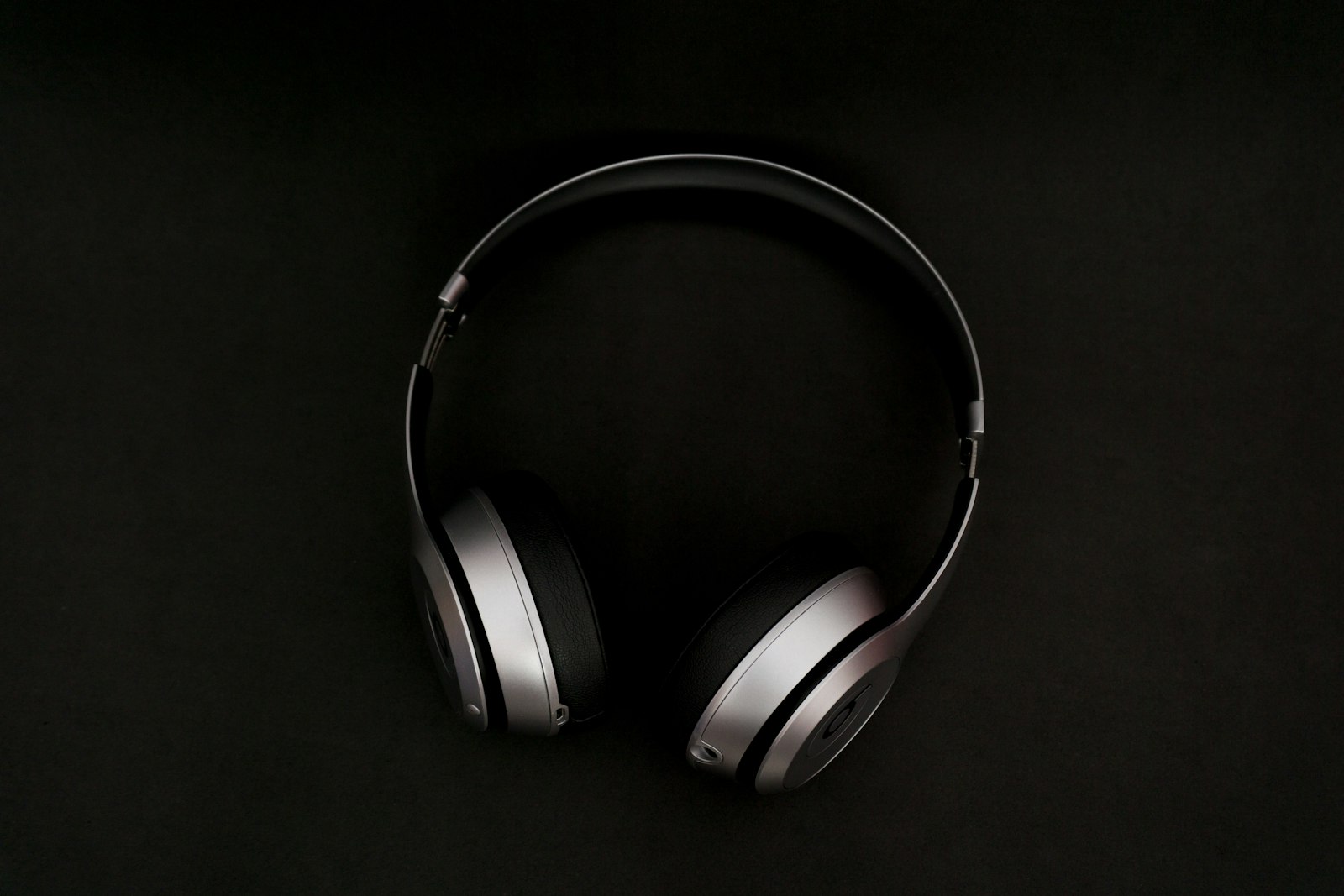
Wear headphones and pick the playlist before you start. This is the number-one gymtimidation tool. Music gives you a private bubble, drowns out the room, and signals “I’m in my own world” — which, conveniently, you now are. Decide your tracks beforehand so you’re not fiddling with your phone feeling exposed.
Walk in with a written plan. Most of the “everyone’s watching” feeling spikes in the dead moments — when you’ve finished a set and don’t know what’s next, so you stand there feeling visible. A plan on your phone erases those moments. You always look (and feel) like you have somewhere to be, because you do.
Give yourself a job for your eyes. Self-consciousness is just attention pointed inward, so point it somewhere else. Count your reps in your head — actually count, slow on the way down. Stare at the specific muscle you’re working and feel it do the work. Use the mirror for technique, watching your knee track over your toe, not for a verdict on how you look. Attention can only be in one place at a time, and a mind busy doing its job has no spare capacity left to run the imaginary-audience program.
Claim a corner. You don’t have to set up in the middle of the floor. Every gym has quieter edges — the rack tucked behind the squat racks, the far end of the free-weight area, the stretching mats off to the side. Start there, where the sightlines are shorter and you can settle, then drift toward the busier zones once you’re warm and your head’s in the workout. By then you’ve usually stopped noticing the room anyway.
On the days the anxiety is loud, go when it’s quiet. Off-peak hours mean fewer people, less stimulus, and more room to just train — a legitimate way to take the edge off a bad day, not a retreat. As the gym gets familiar, the crowds stop registering and you can go whenever.
Know the basic etiquette. A surprising amount of intimidation is really the fear of doing something “wrong” and getting caught. Wipe down equipment, re-rack your weights, don’t camp on a machine, and it’s fine to ask “how many sets left?” Once you know you’re playing by the rules, the imagined judgment has nothing to land on.
The competence shortcut
Here’s a truth that cuts through all of it: the fastest way to feel less intimidated is to become slightly more competent. Intimidation feeds on uncertainty. The first time you use a machine, you feel exposed. The fifth time, it’s muscle memory and you don’t give it a second thought. So the real long game isn’t psyching yourself up — it’s reps.
Every familiar movement you add is one less thing to feel self-conscious about. This is just a habit forming, and habits feel automatic, not scary. (How long does that take? Less time than the dread suggests — we covered the real timeline in how long to form a habit.) The version of you six weeks from now, who knows where everything is and exactly what they’re doing, will walk past the door you’re nervous about today without a flicker.
The fastest route to competence is just answering the questions you’d never ask out loud on the floor — how does this machine work, how do I scale this down, am I even doing it right. That’s the whole reason a pocket coach helps: in Ogamic you can ask Ogi those exact things and walk in already knowing, instead of figuring it out under an imaginary spotlight.
And if the floor feels like too much right now, you don’t have to start there at all. Building the habit at home first, where there’s genuinely no audience, means you walk in later as a regular trying a new room — not a nervous beginner. Working out at home when the gym feels like too much makes the full case, and how to start working out at home has a routine you can run tonight. Confidence built in private spends just as well in public.
The whole thing, condensed
- The audience is imaginary. The spotlight effect makes you feel twice as watched as you are; everyone’s absorbed in their own workout.
- Build a private bubble. Headphones, a chosen playlist, a written plan — kill the exposed dead moments.
- Give your attention a job. Count reps, focus on form-for-technique, claim a quiet corner.
- Get competent. Reps turn exposed-and-unsure into automatic-and-bored; a pocket coach speeds it up.
- Private first is allowed. Build confidence at home and arrive a regular.
When you catch someone glancing over, the honest read is almost always they’re checking if a machine’s free — or they’re a beginner feeling exactly what you’re feeling. The gym is full of people quietly convinced everyone’s watching them, which is the funniest proof that nobody is. You’re all extras in each other’s movies, every one of you sure you’re the lead. So put your headphones in, run your plan, and let the reps quietly dismantle the feeling — the same way the habit dismantles everything else. The audience you were afraid of was never really there.
Keep going:

Written by
The OgamicX Team
Tips, guides, and insight on fitness, nutrition, fasting, and building habits that last — from the team behind OgamicX.
About OgamicXFound this useful? Share it.