
One App for Workouts, Food, and Fasting
One app for workouts, food, and fasting can cut the friction that kills routines. Here’s what actually matters in an all-in-one app—and what doesn’t.
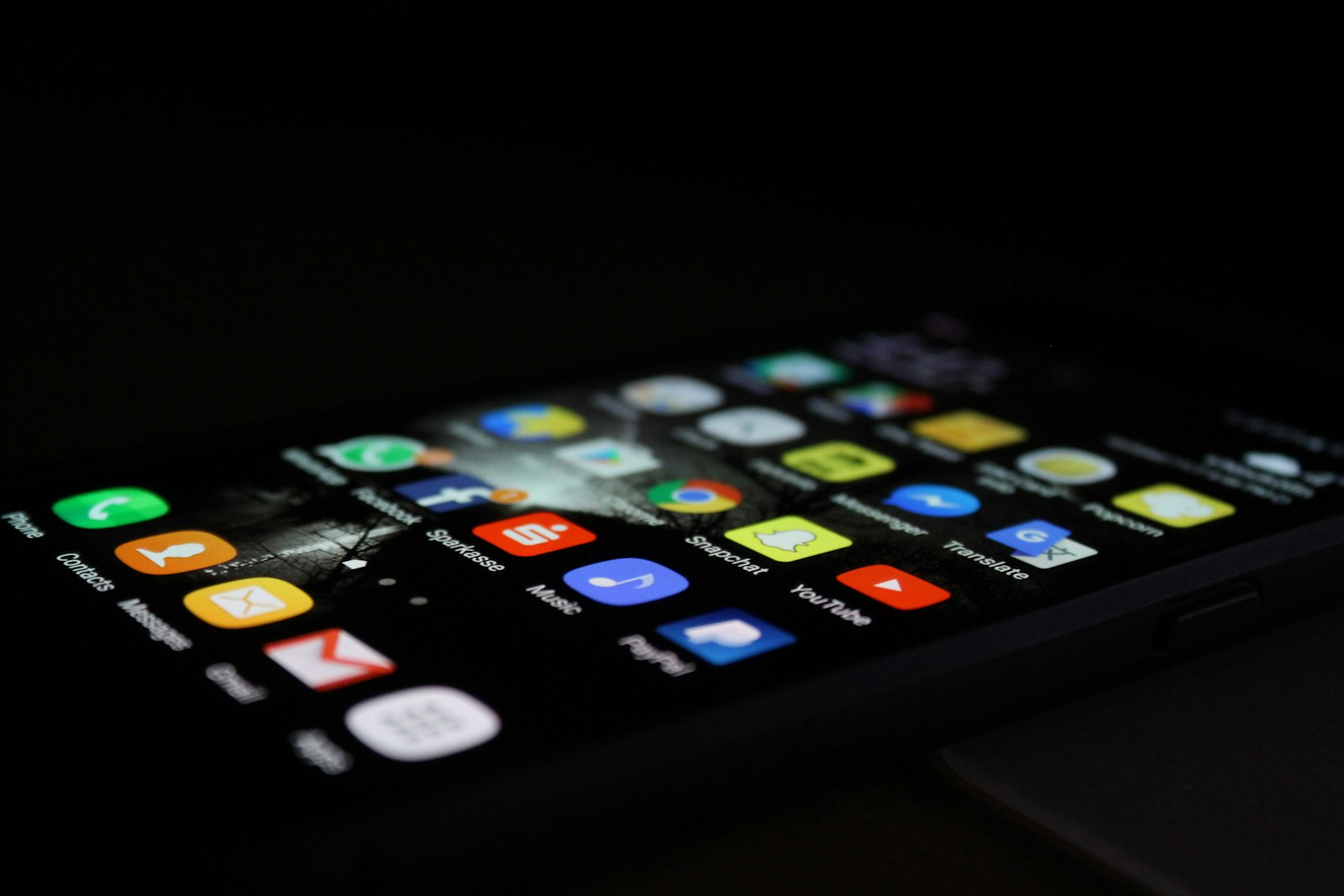
Open your phone and count the health icons you’ve downloaded with good intentions. One app for workouts. Another for food. A fasting timer. Maybe a habit tracker if you were really trying to get your life together on a Sunday night.
For about nine days, it feels organized. Then real life shows up, one app gets skipped, the others follow, and now your “system” is just five separate reminders that you’re behind.
That’s the real reason people search for one app for workouts, food, and fasting. Not because combining things is trendy. Because app-switching is friction, and friction is where routines quietly die.
The research here is not neat enough to say “one app always beats three.” But it is consistent on two useful points: engagement matters in mobile health tools, and self-monitoring only helps if people keep doing it. A systematic review of mobile health apps and engagement and a trial on adherence to diet and activity self-monitoring both point in the same direction: the tool matters less than whether you can stick with using it.
Why separate apps stop working so fast
In theory, specialized apps sound smart. Use the best workout app for training, the best calorie app for food, the best fasting app for your eating window. Build your own little Avengers team.
In practice, you’ve created three check-ins, three interfaces, three streak systems, and three places to fall off. Smartphone research even treats it that way, not just background noise.
That matters more than it sounds. If your workout app thinks you “failed” because you rested, your food app has no idea you still logged meals, and your fasting app knows nothing about the rest of your day, you don’t get one clear sense of progress. You get fragments.
And fragments are hard to stick with. A systematic review of dietary self-monitoring found that interventions define adherence in different ways, but the same practical problem keeps showing up: systems only work if the tracking behavior is sustainable.
What “one app for workouts, food, and fasting” should actually mean
If you’re shopping for one app, the bar shouldn’t just be “has all three features somewhere in the menu.” Plenty of apps technically do.
A useful all-in-one setup should do four things:
1. Put the whole day in one place
You should be able to see, at a glance:
- whether you trained
- what you ate
- whether your fasting window is active or closed
- whether today still counts as a good day
That sounds basic, but it’s the difference between a system and a pile of tools.
2. Reduce logging friction
If logging food feels like homework, you’ll stop. If starting a fast takes six taps, you’ll forget. If workouts live in a different mental universe from meals, you won’t feel the connection between them.
This is where convenience matters more than perfection. The same systematic review of dietary self-monitoring makes the useful honest point: adherence varies wildly across studies, which is exactly why the boring question matters most—can you keep logging when life gets annoying?
3. Keep one sense of momentum
Most people do not need five separate forms of accountability. They need one clear feeling of, “I’m still in this.”
When apps split your effort into unrelated streaks and dashboards, one missed log can feel bigger than it is. A connected system is better at reflecting reality: maybe you didn’t do a full workout, but you still ate intentionally and finished your fasting window. That’s not “starting over.” That’s a decent Tuesday.
If this is the part you struggle with, read why streaks beat willpower.
4. Make it easier to come back after a messy day
The honest tradeoff with any health app is this: the best system is still the one you reopen after a bad week. The mobile health app engagement review keeps circling back to engagement for a reason. Features matter. They just matter less than whether the app still feels usable when motivation drops.
If an app only works when you’re feeling disciplined, it doesn’t really work.
The problem usually isn’t you. It’s the workflow.
A lot of people think they need more willpower because they keep bouncing between tools. Usually, they need fewer moving parts.
Here’s what app-switching quietly asks from you every day:
- remember which app handles what
- remember separate logins, habits, and streaks
- translate your progress across different systems
- decide which thing to open first
- recover when you miss one of them
That last point is where most routines break. Once one piece slips, the whole setup starts to feel annoying instead of supportive.
There’s good reason to care about that. The evidence doesn’t prove that an all-in-one app is universally best. It does support a narrower conclusion: if engagement and adherence are central to behavior change, reducing the number of moving parts is a meaningful design advantage. That’s an inference from the engagement review and the self-monitoring adherence trial, not a head-to-head verdict.
So if you’re comparing “best specialized stack” versus “one decent all-in-one app,” the second option often wins for ordinary people simply because it asks less of them.
Not because it’s magic. Because it removes decisions.
What to look for in an all-in-one fitness, food, and fasting app
If your search intent is commercial, let’s keep this practical. Here’s the checklist I’d use.
Workout support that’s actually usable
Look for:
- beginner-friendly plans or templates
- home and no-equipment options
- clear session structure
- simple progress tracking
If you’re an advanced lifter who wants deep barbell analytics or highly customized periodization, an all-in-one app may feel too broad. That’s the honest tradeoff. Specialized tools still win when you need specialist depth.
Food logging that doesn’t make you quit
Look for:
- fast meal logging
- macro visibility
- manual entry as a fallback
- a flow you’ll still use when eating out or busy
Perfect nutrition tracking is overrated for beginners. Consistent nutrition tracking is not.
Fasting tools that fit real life
Look for:
- common protocols like 16:8 and 18:6
- easy start/stop tracking
- clear active-session display
- room to use fasting as one tool, not your whole personality
A fasting feature should feel like part of your day, not a separate religion running beside it.
One dashboard, not three silos
This is the big one. You want one home base where your workout, meals, and fasting status live together. If the app still makes those feel like separate products stitched together, you haven’t really solved the original problem.
Is there evidence that “all in one” works better?
Not in the neat headline way people want. There isn’t some perfect trial that says, “One app beats three apps by exactly 27%.” That would be convenient, but it’s not how this literature usually lands.
What we do have is a more grounded chain of evidence:
- adherence to self-monitoring of diet and physical activity matters
- engagement is a recurring concern in whether mobile health tools help at all
So the reasonable conclusion is not “all-in-one is scientifically proven best for everyone.” It’s narrower and more honest: if reducing friction helps people stay engaged, needing fewer apps is a real design advantage.
And frankly, it matches lived experience. Best-at-one-thing often loses to best-at-the-whole-day.
When separate apps still make sense
All-in-one is not automatically better for every person.
Separate apps may still be the right move if you:
- already have a setup you genuinely use
- want high-precision macro tracking
- need advanced training metrics
- use fasting only casually and don’t care if it connects to anything
- enjoy tinkering with your stack more than following it
Some people like building systems. Most people like having fewer things to maintain.
If your real issue is consistency, not optimization, that should shape the choice.
The late, earned app answer
This is the point where the topic earns a product mention.
If what you want is one app for workouts, food, and fasting because you’re tired of bouncing between five tools, that’s exactly the problem OgamicX is built to solve.
It puts workouts, meal logging, fasting, streaks, and check-ins in one place, so the day feels connected instead of split into unrelated tasks. Per the product facts, OgamicX includes AI MealScan for food logging, manual meal logging, fasting protocols including 16:8, 18:6, 20:4, OMAD, and custom, and workout support ranging from 30 prebuilt bodyweight templates to AI-personalized workout plans on Premium.
More importantly for this exact search intent, it treats those things as one system. In OgamicX, any activity across training, nutrition, or fasting can keep the unified streak alive, which is much closer to how real life works than three separate apps each pretending they’re the main character.
The app is free to download, no card. Core features stay usable on the free tier, including MealScan for up to 3 scans per day, while Premium unlocks unlimited scans, personalized workout plans, all fasting protocols, and the wider premium set.
And if you’re the kind of person who disappears for a few days when life gets loud, the useful part isn’t hype about “AI changing your life.” It’s that Ogi can check in on you through the Care Plan instead of leaving the app silently waiting in the corner. That matters because drop-off usually happens in the gap between intention and reopening.
If you want the deeper version of that argument, read stop juggling 5 fitness apps next.
The best one-app decision is the boring one
The best app for workouts, food, and fasting is usually not the one with the longest feature list. It’s the one you’ll still open on a tired Wednesday, after takeout, when your schedule slipped and you’re tempted to call the whole week a write-off.
That’s the standard.
Because the problem usually isn’t that you picked the wrong individual tools. It’s that you built a system with too many seams. And seams are where consistency leaks out.
Keep going:

Written by
The OgamicX Team
Tips, guides, and insight on fitness, nutrition, fasting, and building habits that last — from the team behind OgamicX.
About OgamicXFound this useful? Share it.