
Cardio Workouts for People Who Hate Running
Cardio workouts for people who hate running can still work. Try low-drama alternatives like stairs, shadowboxing, and circuits you’ll actually repeat.
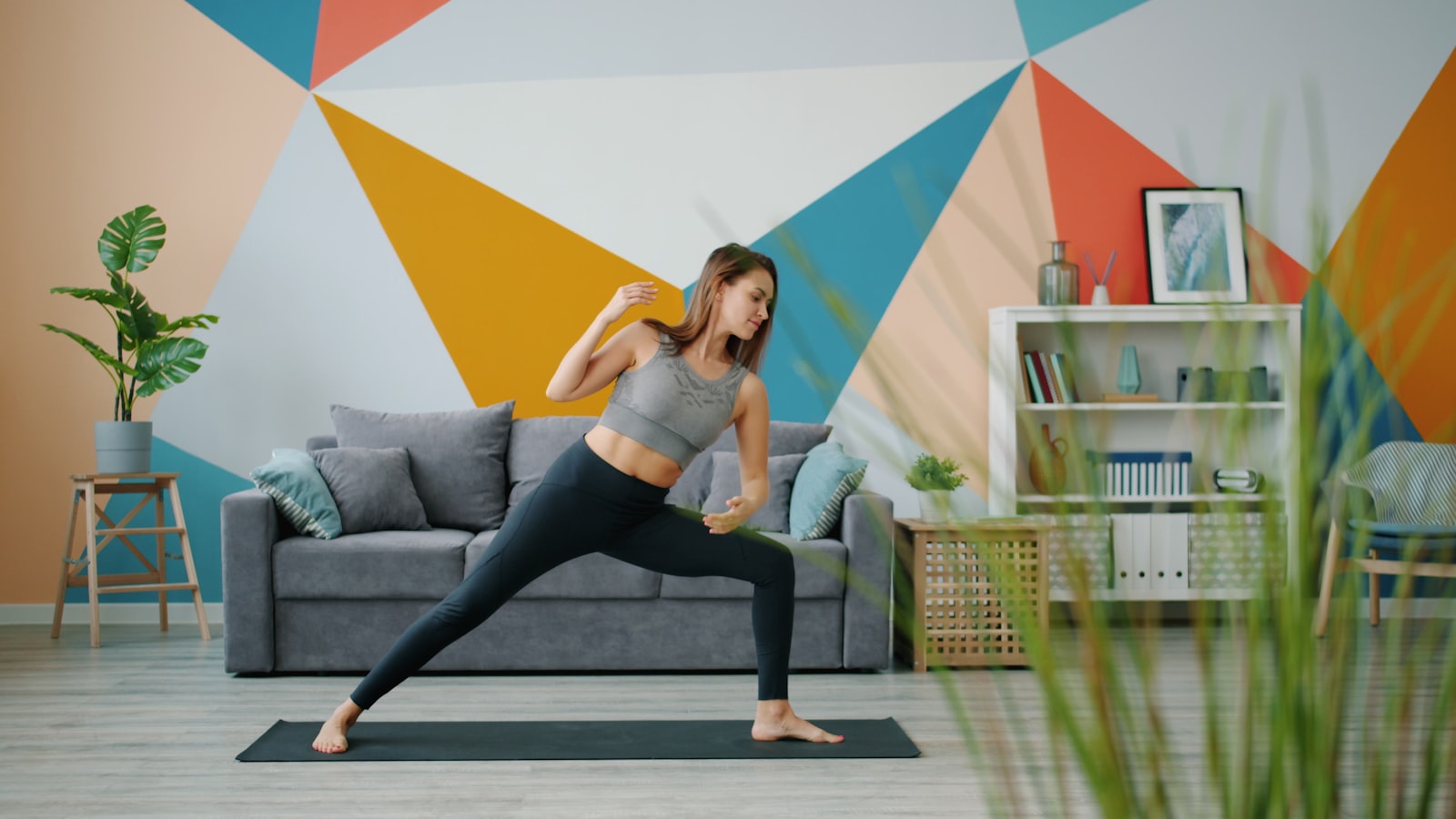
If you hate running, good news: you do not need to force yourself through miserable miles to get cardio in. Cardio just means work that gets your breathing and heart rate up for a while, and for adults, the general target is 150 minutes of moderate-intensity activity a week or 75 minutes of vigorous activity. That can come from running, but it can also come from stairs, dance, shadowboxing, brisk walking, or fast no-equipment circuits. (cdc.gov)
For a lot of people, “I hate cardio” really means “I hate one very specific kind of cardio.” Usually it’s steady jogging, outdoor running, or the weirdly bleak feeling of watching a treadmill timer crawl from 2:17 to 2:18. Fair. The problem usually isn’t you. It’s the strategy.
If running makes you dread the workout, a better plan is to pick cardio alternatives that feel less annoying, easier to start, and simple enough to repeat.
What counts as cardio if you hate running?
Anything that raises your effort into a moderate or vigorous zone counts. The CDC’s guidance is about activity intensity and total weekly time, not whether you ran outside or logged a route. Activities like brisk walking, biking, dancing, and other aerobic movement all count if the effort is there. (cdc.gov)
A simple way to judge that intensity without a watch is the talk test:
- Moderate intensity: you can talk, but you probably can’t sing.
- Vigorous intensity: you can only get out a few words before needing a breath. (acsm.org)
That matters because it frees you from the “if I didn’t run, it doesn’t count” trap. If your stair session leaves you breathing hard, it counts. If your dance workout has you sweaty and talking in fragments, it counts. If a fast bodyweight circuit gets your heart rate up, that counts too.
Why cardio workouts for people who hate running work better
There’s a boring but useful truth here: the best cardio plan is the one you’ll repeat next week.
Enjoyment is not fluff. A recent review notes that enjoyment is closely tied to long-term exercise adherence, and one PMC-indexed study found self-selected exercise workloads were more enjoyable than imposed ones in sedentary adults. That does not mean every workout has to feel magical. It just means your cardio should not feel like punishment if the goal is consistency. (pmc.ncbi.nlm.nih.gov)
So if you naturally prefer quick intervals, music, movement variety, or more of a “game round” feeling than steady jogging, lean into that. You’re not cheating. You’re designing something survivable.
For a deeper version of that idea, read what makes a fitness app stick.
The best cardio alternatives to running
Here’s the menu. Pick one or two that sound least annoying and start there.
1. Shadowboxing
Shadowboxing is one of the best cardio workouts for people who hate running because it barely feels like traditional cardio. You’re moving your feet, rotating your torso, throwing punches, slipping, ducking, and resetting. Done in rounds, it gets intense fast.
Try this:
- 40 seconds jab-cross combos
- 20 seconds easy bounce or march
- 40 seconds hooks and uppercuts
- 20 seconds easy bounce
- 40 seconds slip-slip-cross
- 20 seconds easy bounce
Do that for 4 to 6 rounds.
Why it works: your brain has something to do besides count minutes. “Move, punch, reset” is usually easier to tolerate than “keep jogging.”
2. Dance cardio
If running feels monotonous, dance fixes that immediately. Put on three songs and move like you’re trying to entertain exactly zero people. Big arm swings, side steps, high-knee marches, squat pulses, turns, whatever works.
A good beginner rule:
- One song = easy warm-up
- One song = push the pace
- One song = your “finish sweaty” song
That’s 10-ish minutes of cardio without a single lap. If your breathing says it counts, it counts. The CDC includes dance among examples of moderate-intensity activity when the effort is there. (acsm.org)
3. Stairs
Stairs are brutally efficient. If you have access to them, you have cardio.
A simple stairs session:
- Walk up at a steady pace
- Walk down easy
- Repeat for 10 to 15 minutes
If that’s too easy later, try intervals:
- 30 seconds faster up
- Walk down and recover
- Repeat 8 to 12 times
Stairs work well for people who hate running because the structure is built in. Up, down, done. No route planning. No pacing drama.
4. Bodyweight cardio circuits
This is the most practical at-home option. Pick 4 to 5 moves, work for short rounds, and keep transitions tight.
Example no-equipment circuit:
- Marching high knees
- Squat to reach
- Fast step jacks or regular jumping jacks
- Mountain climbers
- Skater steps or lateral shuffles
Format:
- 30 seconds on
- 15 seconds off
- 4 to 5 rounds
If you want lower impact, swap out jumping for stepping. You can still get a real cardio effect without pretending burpees are fun.
If you want more home-friendly options, how to start working out at home is the next useful stop.
5. Low-impact cardio intervals
A lot of people hate running because it feels jarring, repetitive, or just annoying. Low-impact cardio gives you the heart-rate benefit without the bounce.
Good options:
- Fast marching
- Side steps
- Knee drives
- Toe taps on a low step
- Squat and reach
- Speed skaters without the jump
Low impact does not mean easy. It just means you can keep it friendlier on the joints while still working at a moderate or vigorous effort if you move briskly enough. (cdc.gov)
6. Jump rope, if you tolerate it
Not everyone does. But if you want short, intense cardio and you don’t mind the rhythm learning curve, jump rope gets the job done fast.
Beginner format:
- 20 seconds jump
- 40 seconds rest
- 10 rounds
If you hate it after two tries, great. Now you know. Move on.
7. Fast walking with intervals
Yes, this is the closest cousin to running, but it feels different enough that many running-haters tolerate it just fine. Especially if you do it in intervals.
Try:
- 3 minutes brisk walk
- 1 minute very brisk push
- Repeat 5 to 8 times
Walking can absolutely count as aerobic work. The CDC notes that what counts depends on your effort and fitness level, and for some people brisk walking lands squarely in moderate intensity. (cdc.gov)
A 20-minute cardio workout for people who hate running
If you want one ready-made option, do this.
The absolutely-no-running circuit
Warm-up — 3 minutes
- March in place
- Arm circles
- Bodyweight good mornings
- Side steps
Main set — 14 minutes
Work 40 seconds, rest 20 seconds:
- Shadowboxing
- Squat to reach
- Fast step jacks
- Mountain climbers or elevated mountain climbers
- Stair climbs or high-knee marches
- Skater steps
- Shadowboxing again
Repeat the circuit twice.
Cool-down — 3 minutes
- Slow walk around the room
- Easy breathing
- Light leg and shoulder mobility
If you can talk only in short sentences during the work rounds, you’re probably in vigorous territory. If you can still talk but singing would be a terrible idea, that’s moderate. Both count. (acsm.org)
How to know your cardio is hard enough without a watch
You do not need a smartwatch for this.
Heart-rate zones can be useful. The American Heart Association says moderate-intensity activity is about 50% to 70% of maximum heart rate, while vigorous activity is about 70% to 85%. But for most people doing living-room cardio, the talk test is easier to use in real life. (heart.org)
Use this:
- Too easy: full conversation, barely breathing harder
- About right for moderate: talking is fine, singing is not
- About right for vigorous: a few words at a time
- Too hard: you can’t control your pace and keep needing long unscheduled stops
That’s enough. Cardio does not become more valid because a device recorded it.
How to make cardio less miserable
This part matters more than the perfect exercise choice.
Keep the rounds short
A 20-minute run can feel endless. Ten rounds of 40 seconds feels finite. Your brain handles “one more round” better than “just keep going.”
Build around music
Music can make repetitive effort feel less flat. If a playlist makes you start faster and stay with it longer, use it. That’s not a silly trick. That’s good setup.
Rotate two or three formats
Don’t make yourself do the exact same cardio every session. Alternate:
- shadowboxing day
- dance day
- stairs day
- bodyweight circuit day
Variety helps when the issue is boredom, not capability.
Use the smallest version on low-energy days
If you cannot face 25 minutes, do 8. A short session still keeps the habit alive. The win is showing up, not turning every workout into an event.
The honest tradeoffs
Running does have advantages. It’s simple, scalable, and if you enjoy it, great.
But if you hate it, forcing it is often a terrible consistency strategy. The tradeoff with cardio alternatives is that you may need a little more intention. You have to choose the moves, set the timer, and push the pace enough to make it aerobic.
So no, running is not mandatory. But effort still is.
A simple weekly plan if you hate running
If you want a no-drama structure, try this:
- Monday: 20-minute bodyweight cardio circuit
- Wednesday: 15-minute stairs or brisk walking intervals
- Friday: 20-minute shadowboxing or dance cardio
- Saturday or Sunday: optional easy walk or short recovery movement
That gets you moving without needing to become a runner overnight. Build from there.
Where OgamicX fits
If your real problem is not cardio itself but the friction around it, OgamicX fits the boring part that usually makes people quit. It gives you no-equipment workout templates, lets cardio live in the same place as the rest of your routine, and the unified streak means a cardio session still counts even if you did not run, lift, or do anything fancy.
That’s the useful part: one quick session can keep the chain alive.
It also helps if you are specifically tired of the idea that cardio only “counts” when a GPS watch records a route. It doesn’t. A hard living-room circuit is still cardio. A stair session is still cardio. A sweaty shadowboxing round in your bedroom is still cardio. If you want one place to keep that momentum going, OgamicX is free to download, no card.
The bottom line on cardio workouts for people who hate running
You do not need to learn to love running to get cardio in. You need a version of cardio that feels doable enough to repeat.
Start with shadowboxing, stairs, dance, or a simple no-equipment circuit. Keep the rounds short. Use the talk test. Count consistency, not miles.
Keep going:

Written by
The OgamicX Team
Tips, guides, and insight on fitness, nutrition, fasting, and building habits that last — from the team behind OgamicX.
About OgamicXFound this useful? Share it.