
Stay Motivated to Work Out at Home Alone
Stay motivated to work out at home alone by making starts easier, workouts smaller, and progress visible so consistency survives low-energy days.
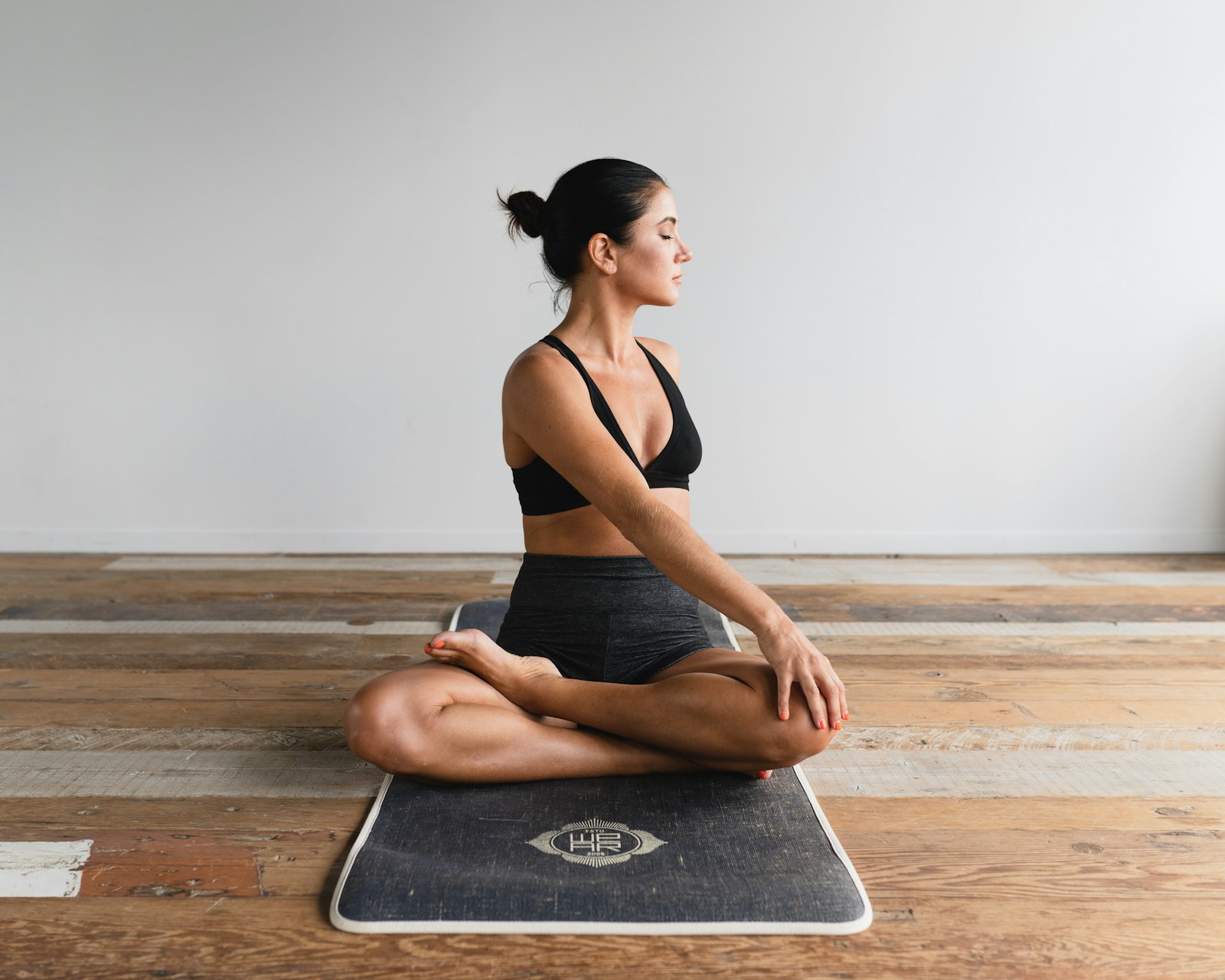
You know the moment. It’s 6:42 p.m., your laptop is still warm, the sink has a bowl in it, and your workout mat is lying there like an accusation. Nobody’s waiting for you. No class starts in ten minutes. No trainer is texting. It’s just you, your living room, and the very convincing idea that you’ll “definitely do it tomorrow.”
If you’re trying to figure out how to stay motivated to work out at home alone, the honest answer is this: you usually won’t feel motivated first. The people who keep going at home tend to rely less on a magical mood and more on a setup that makes starting easier, missing less dramatic, and small wins visible. That lines up with exercise-adherence research: more autonomous motivation, planning cues, and practical support tend to matter more for sticking with it than waiting to feel fired up. A self-determination theory review on exercise motivation makes that case well.
Why home workouts feel harder when you’re alone
Working out at home sounds convenient, and it is. But it quietly removes a lot of structure.
When you go to a gym or class, half the motivation is borrowed. You have a place, a time, other people, and a small amount of social pressure. At home, you lose all of that. Your couch is five feet away. Your phone knows your weaknesses. And because no one sees you skip, it’s easy to treat the workout as optional.
That doesn’t mean you lack discipline. It usually means your environment is asking motivation to do a job that systems do better. A recent scoping review of home-based physical activity strategies highlights practical supports like planning, social support, suitable home conditions, and technology as recurring adherence helpers.
Stop chasing motivation. Build a lower-friction start
This is the part most people hate because it’s not cinematic, but it works.
A lot of exercise behavior research fits a simple idea: action gets easier to repeat when it’s tied to a cue and becomes more automatic over time, instead of being renegotiated from scratch every day. A 2023 systematic review of habit-formation interventions for physical activity found they can help, while also noting the evidence is mixed and the studies vary a lot. That’s about as honest as science gets.
Try this instead of “I’ll work out tonight”:
- After I pour my coffee, I do 10 squats
- After I close my laptop, I do a 5-minute circuit
- After I brush my teeth, I do one set of push-ups against the counter
That’s an implementation intention: a specific if-then plan. A systematic review and meta-analysis of randomized trials found implementation-intention strategies can improve physical activity behavior in adults.
The key is not ambition. It’s reliability.
Make the workout small enough that your tired brain says yes
If you only count a workout when it’s 45 minutes, perfectly programmed, and done with great energy, home exercise will keep losing to normal life.
The CDC says adults should aim for at least 150 minutes of moderate-intensity activity a week, or 75 minutes of vigorous activity, plus muscle-strengthening activity on 2 days a week. Just as important for real life: those minutes can be broken up, and some activity is better than none, according to the current CDC adult activity guidance.
That means a home workout habit can start much smaller than people think.
A good rule:
- On low-energy days: 5 to 10 minutes
- On normal days: 15 to 25 minutes
- On great days: do more if you want, but don’t make that the new minimum
This sounds almost too gentle, but it protects the thing that matters most early on: continuity.
Use a minimum version so missed energy doesn’t become a missed week
One reason people quit home workouts is that they treat every session like a pass-fail test. If they can’t do the full version, they do nothing.
A better move is to have three versions ready:
Version 1: the tiny win
5 minutes. March in place, bodyweight squats, incline push-ups on the counter, plank on the sofa edge.
Version 2: the normal workout
15 to 25 minutes. Enough to feel like a real session.
Version 3: the bonus round
Extra sets, a walk afterward, or a longer circuit if you genuinely have the energy.
This matters because motivation is unstable. Your minimum version gives you something to do when motivation flakes out. And once you start, you often do more anyway. If not, five minutes still counts as showing up.
Put the workout where future-you trips over it
Home workouts fail for very boring reasons. The mat is in the closet. The dumbbells are under a chair. You need to move a coffee table first. Tiny frictions add up.
Set your room up so starting takes less than a minute:
- Leave the mat out or half-unrolled
- Put shoes where you can see them
- Keep one pair of dumbbells or a resistance band visible
- Choose one exact workout spot, even if it’s just a rectangle of floor near the couch
- Save one beginner routine you can start without thinking
Again, the home-based physical activity scoping review points to the home environment itself as part of adherence, not just personal willpower.
If your setup takes ten minutes, your brain will call it a project. If it takes thirty seconds, it feels like a thing you can just begin.
Give yourself evidence that you’re the kind of person who shows up
Working out alone gets easier when you can see proof that you’ve done it before.
This is where tracking helps, but not in a joyless spreadsheet way. You want a visible chain, not a guilt machine.
Track one of these:
- Days you moved
- Number of home sessions this week
- Consecutive days you kept the habit alive
- Minutes per week
- A simple “done” mark on a calendar
That same 2023 review on habit formation and physical activity supports the bigger idea here: repeated performance in stable contexts helps exercise feel more automatic over time. That doesn’t make a streak magical. It just makes repetition visible.
The trap is making the streak too fragile. A missed day should not feel like the end of the story. If that’s your pain point, read how to not break a workout streak.
Motivation gets stronger when the goal feels like yours
One of the most useful ideas in exercise psychology is that people stick better with activity when the motivation is more self-determined, not just based on guilt, pressure, or someone else’s expectations. That’s one of the clearest takeaways from the exercise and self-determination theory review.
In plain English: “I should work out” is weak fuel.
“I want more energy after work” or “I like feeling stronger in my own body” lasts longer.
So instead of asking:
- How do I force myself?
Ask:
- What kind of workout do I actually not mind doing at home?
- Do I want strength, cardio, mobility, or just movement?
- What time of day feels least annoying?
- What’s realistic three times a week, not ideal seven times a week?
Autonomy matters. You are much more likely to repeat a workout you chose than one you keep trying to be “good” enough to follow.
Add a little social pressure, even if you work out alone
You can exercise alone without making it feel lonely.
Support is one of those boringly effective adherence factors that keeps showing up in exercise research. It doesn’t have to mean a full-on accountability buddy or a Zoom workout group. Even light support can help, and the home-based physical activity scoping review includes social support among the practical factors linked to sticking with home programs.
A few ways to borrow accountability:
- Text a friend “starting now” before you begin
- Share a weekly goal with one person
- Join a small challenge
- Keep a shared note where you log sessions
- Put your workouts on your calendar like appointments
The point isn’t to perform fitness online. It’s to make skipping feel slightly less invisible.
Make home workouts less boring on purpose
Sometimes “I’m not motivated” really means “this is dull.”
That’s fixable.
At home, boredom kills consistency faster than difficulty. Rotate formats so your brain doesn’t feel trapped:
- two strength days
- one short cardio day
- one walking day
- one just-move day with music
You can also give sessions a game layer:
- earn points for showing up
- aim for a 7-day consistency streak
- set a weekly quest like “3 workouts + 2 walks”
- unlock a new playlist after four sessions
- race your previous week, not some imaginary perfect person
This sounds silly until you notice it works. The same review of home-based physical activity strategies points back to engagement, support, and practical structure as part of why these programs succeed or fail.
Expect the motivation dip around week two or three
This part deserves to be said out loud because it catches people every time.
Week one is powered by novelty. New plan, clean slate, little rush of optimism. Then the excitement wears off, your schedule gets normal again, and the habit has to survive without launch-week adrenaline.
That dip does not mean the routine isn’t working. It usually means the routine is becoming real.
What helps here:
- keep the schedule the same
- reduce the workout size before you skip entirely
- use a minimum version for busy days
- look at your streak or weekly count
- decide in advance what counts as enough
If you expect the dip, you won’t confuse it with failure. This is also where streaks beat willpower tends to click for people.
What to do on the exact day you don’t want to work out
Here’s the emergency script.
-
Shrink the session to 5 minutes.
Not as a trick. As the real workout if needed. -
Start before you evaluate.
Shoes on. Timer on. One movement. -
Use a preset list.
Example: 10 squats, 8 incline push-ups, 20-second plank, repeat. -
Stop at 5 minutes if you still hate it.
That still protects the habit. -
Count the win as showing up.
The goal is not heroics. It’s continuity.
This is also why home workouts can be great once the system clicks. You don’t need a commute, equipment maze, or perfect schedule. You need a start line you’ll actually cross.
The honest tradeoff
Working out at home alone is convenient, cheap, and flexible. It is also easier to postpone, easier to half-decide against, and easier to quit quietly.
If you know you thrive on coaching, heavy social energy, or external structure, home workouts may never be your perfect setup. That’s fine. The goal is not to win some purity contest about exercising in your living room. The goal is to keep moving in a way you can stick with.
For a lot of people, though, home workouts become sustainable once they stop expecting motivation to carry the whole thing.
A simple weekly setup that actually works
If you want something practical, start here:
Your home-workout motivation starter pack
- Pick 3 anchor days for workouts
- Choose one exact cue for each session
- Create a 5-minute minimum version
- Keep your gear visible
- Track completed sessions
- Add one small accountability layer
- Let walks count as movement too
That is enough to build momentum.
If you need help setting up the actual routine, read how to start working out at home next. It’s the better next step if your real problem isn’t motivation in theory, but not knowing what to do when you hit the mat.
Where an app can help, if your problem is consistency not knowledge
If you already know how to work out but keep dropping the habit when nobody’s around, this is the rare case where an app can genuinely help instead of just becoming icon number six in your health folder.
The useful part is not more features. It’s having a simple system that makes the day feel connected: your workout, your streak, your weekly tasks, and the little check-in that stops a missed day from turning into a vanished week.
That’s also the lane OgamicX fits best. It’s free to download, no card, with home workout templates, a unified streak across workouts, meals, and fasting, and Ogi as the in-app coach you can message. The app also has a Care Plan that checks in when you’re drifting, which is a lot more helpful than relying on random bursts of motivation. Premium unlocks AI-personalized workout plans and some extra flexibility, but the basic consistency loop is already there in the free version.
But even without an app, the principle is the same: make starting easy, make wins visible, and make one missed day feel normal instead of fatal.
Because the problem usually isn’t you. It’s the strategy.
Keep going:

Written by
The OgamicX Team
Tips, guides, and insight on fitness, nutrition, fasting, and building habits that last — from the team behind OgamicX.
About OgamicXFound this useful? Share it.