
High-Protein Foods Beyond Chicken: Hit Your Goal
High-protein foods that aren't just chicken: a grocery list — beef, fish, eggs, tofu, Greek yogurt — by grams and cost, so you hit your protein goal without burnout.
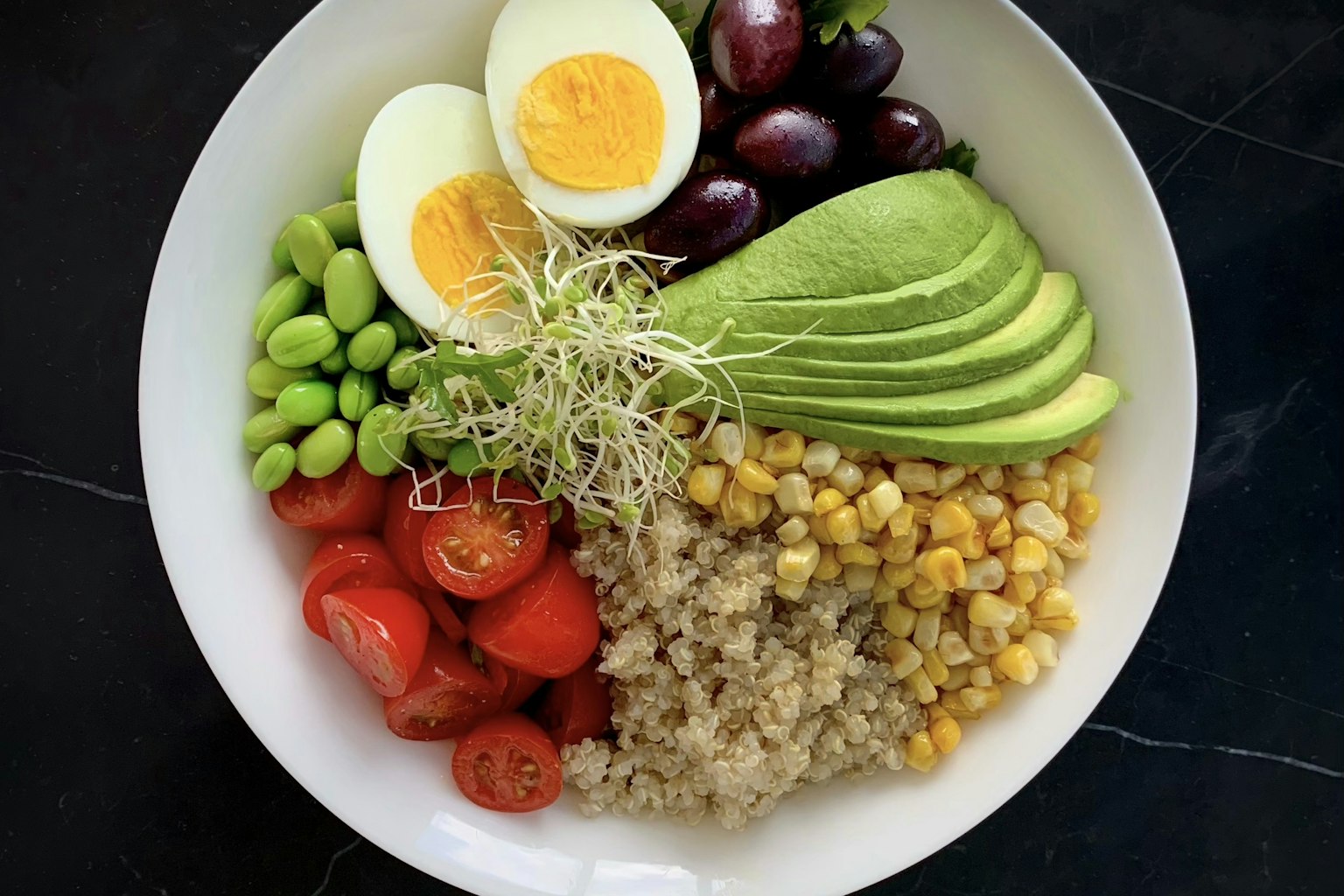
There’s a specific kind of burnout that hits about three weeks into any serious attempt at eating more protein. You’ve done the chicken breast. You’ve done it grilled, you’ve done it baked, you’ve done it sad and dry out of a meal-prep container on a Tuesday. And somewhere in there your brain quietly decides it would rather eat almost anything else — which is usually the moment the whole protein project falls apart.
Here’s the thing nobody says out loud: hitting your protein target is rarely a knowledge problem. You’re not failing because you don’t know that chicken has protein. You’re failing because “eat more protein” got translated into “eat the same three foods on repeat until you can’t stand them,” and no plan survives that for long.
So this is the other half of the protein conversation. If how much protein you need is the number, this is the grocery list — a real spread of high-protein foods that aren’t just chicken, organized by how much they actually deliver, what they cost, and how little effort they take. The goal is to make 150 grams a day feel like a menu, not a punishment.
First, the number — fast
A grocery list means nothing without a target to fill. The short version: most people losing fat while keeping muscle land around 1.6–2.2 g/kg a day, which is roughly 150 grams for a 70 kg adult — or your exact number from the protein calculator. If that number feels arbitrary, the protein-amount guide shows exactly where it comes from. Got your number? Let’s fill it.
High-protein foods that aren’t just chicken
Below is the working list, grouped so you can mix and match instead of eating the same anchor every day. The gram counts are rough, per typical serving — close enough to plan with, and your app will sharpen them when you actually log.
Animal proteins beyond the chicken breast
Chicken’s fine. It’s just not the only lean meat, and treating it that way is what burns you out.
- Lean beef (sirloin, 93% ground) — ~25 g per 100 g cooked. More flavour, more iron, more reasons to look forward to dinner.
- Chicken thighs — ~26 g per 100 g, and far harder to overcook into cardboard than breast. Slightly more fat, which most people doing fat loss can easily afford.
- Pork tenderloin — ~26 g per 100 g, genuinely lean, and criminally underused.
- Turkey (mince or breast) — ~29 g per 100 g, a near-perfect swap when you want the chicken macros with a different taste.
The point isn’t that any one of these beats chicken. It’s that rotating them is what keeps you eating high-protein meals in week six instead of quietly drifting back to pasta.
Seafood — the most overlooked protein on the list
Fish and shellfish are some of the highest protein-per-calorie foods you can buy, and most people forget they exist.
- Canned tuna — ~25 g per drained can, costs almost nothing, needs zero cooking. The single most efficient protein-per-dollar food on this page.
- Salmon — ~25 g per 100 g, plus omega-3s. Pricier, but a frozen fillet cooks in ten minutes.
- Shrimp/prawns — ~24 g per 100 g, fast to cook, hard to mess up.
- White fish (cod, tilapia, basa) — ~20–23 g per 100 g, mild, cheap when frozen.
Eggs and dairy — the quiet workhorses
This category does more heavy lifting for most people’s daily total than anything else, because it’s cheap, requires little or no cooking, and you eat it anyway.
- Eggs — ~6 g each. Three eggs is ~18 g and a 90-second scramble.
- Greek yogurt (plain, ~0% or 2%) — ~17–20 g per cup. The single best high-protein food for people who don’t cook.
- Cottage cheese — ~24 g per cup. The internet rediscovers this every year for a reason.
- Skyr — ~17 g per small tub, grab-and-go.
- Milk — ~8 g per cup, an effortless way to add protein to oats, coffee, or a shake.
If you take one thing from this whole list: a tub of Greek yogurt or cottage cheese in the fridge is the easiest 20-gram rescue you’ll ever have.
Plant proteins — for the days (or diets) without meat
You do not need meat to hit your target. You do need to be a little more deliberate, because plant proteins tend to come bundled with carbs, so portion sizes matter.
- Tofu (firm) — ~17 g per 100 g, soaks up any flavour you give it.
- Tempeh — ~19 g per 100 g, firmer and nuttier than tofu, more protein too.
- Edamame — ~18 g per cup, and possibly the best high-protein snack on this entire page.
- Lentils — ~18 g per cup cooked, plus fibre that keeps you full for hours.
- Chickpeas / black beans — ~15 g per cup, the backbone of cheap plant-based eating.
- Seitan — ~21 g per 100 g, the highest-protein meat substitute there is (skip it if you’re gluten-free).
A fully plant-based eater hitting 140 grams a day is completely doable — it just means anchoring meals with tofu, tempeh, or lentils on purpose rather than hoping a salad gets you there.
The convenient stuff — for when cooking isn’t happening
No judgment. Some days the meal is “whatever takes zero effort,” and these still count.
- Whey or plant protein powder — ~25 g per scoop. Not cheating, just food in fast-dissolving form. A scoop in milk is a 30-gram snack in ten seconds.
- Jerky / biltong — ~9–10 g per 28 g, shelf-stable, lives in your bag.
- Roasted edamame or chickpeas — crunchy, snackable, ~12–18 g per serving.
- Tinned beans, pre-cooked lentil pouches, rotisserie chicken — the prepared-food shortcuts that turn “I have no time” into a 30-gram meal anyway.
Now build a plate: per-meal protein math
A target of ~150 grams a day sounds like a lot until you break it into meals. The trick is to aim each meal at 30–40 grams and let snacks cover the gaps. Once you can build a 35-gram plate from any category, the daily number takes care of itself.
Here’s what 35-ish grams looks like, built four different ways:
- The classic: 130 g chicken thigh (~34 g) + rice and veg. Done.
- No-cook lunch: 1 can tuna (~25 g) + half a cup of cottage cheese (~12 g) on toast. ~37 g, zero stove.
- Plant-based dinner: 150 g firm tofu (~25 g) + a cup of edamame (~18 g) stir-fried. ~43 g, no meat.
- Lazy breakfast: 1 cup Greek yogurt (~18 g) + a scoop of whey stirred in (~25 g) + berries. ~43 g, made in the time it takes coffee to brew.
Notice none of those is chicken-and-rice twice. That’s the entire point — the same protein number, four completely different meals, so you never hit the burnout wall.
A couple of habits make the math disappear, both covered in more depth in the protein-amount guide: anchor every meal with a protein source first (decide the protein, then build the plate around it), and front-load it — a 30–40 gram breakfast makes the rest of the day’s total far less stressful than scrambling to cram 80 grams into dinner. (And don’t worry about a big serving going to waste — the 30-grams-per-meal ceiling is a myth.)
And if you eat on a compressed window like 16:8 or OMAD, the same daily total just rides on bigger anchors — a full chicken breast plus Greek yogurt in one sitting, not a token portion you’ll have to make up later. One big protein hit isn’t wasted; your body absorbs it on a slower timeline (the “you can only use 30 grams per meal” line is a myth).
Cheap high-protein foods: protein on a budget
“Eat more protein” sounds expensive because the internet keeps showing you salmon and steak. The cheapest foods per gram of protein are some of the most boring, which is exactly why they work:
- Eggs — pennies per 6 grams.
- Canned tuna and sardines — protein-per-dollar champions.
- Cottage cheese and milk — bulk dairy is cheap protein.
- Lentils, chickpeas, dried beans — almost free per serving.
- Chicken thighs over breast — cheaper and harder to ruin.
- Frozen white fish — far cheaper than fresh, identical macros.
Build your base around those and spend your money on variety, not on the protein itself. Protein is also the macro you protect hardest while eating in a calorie deficit — it’s what keeps the weight you lose from coming off your muscle.
The part everyone skips: actually checking
Here’s the quiet truth that ties this whole list together — you will think you’re hitting your target long before you actually are. Protein doesn’t accumulate by accident the way carbs and fat do. A day that feels protein-rich often lands at half the number, and you’d never know without looking.
I didn’t believe this until I tracked every meal for a month and watched the daily total come in a third short, over and over, on days I’d have sworn were “plenty.” “Feels like enough” and “is enough” are simply different measurements, and the only way to close that gap is to see the number.
That’s where the food list stops being trivia and starts being a system. In OgamicX, you set a daily protein target — or let the app derive one from your goal — and then every meal you log fills a visible bar in real time. Snap a photo and MealScan estimates the macros for a fast first draft, or search the database and log it manually when you want precision.
Use the photo for the messy plate you can’t be bothered to itemize. Use the manual log for the foods you eat constantly. Either way, the running total answers the one question that actually decides your day: am I on track, or do I need a 25-gram top-up before bed?
And because every meal you log also feeds your unified streak, hitting your protein stops being a separate chore. It’s one more tracked action keeping today’s chain alive — the same streak your workouts and fasts already feed. Consistency on protein becomes a side effect of consistency in general.
The bottom line
You don’t have a protein knowledge problem — you have a variety-and-habit problem, and both are fixable with a longer grocery list. Rotate your anchors so you don’t burn out on chicken: lean beef, thighs, fish, eggs, Greek yogurt, cottage cheese, tofu, tempeh, lentils, a scoop of whey when life gets in the way. Aim each meal at 30–40 grams, front-load the day, lean on cheap staples for the base, and spend your effort on variety.
Then check it — because the gap between “I eat plenty of protein” and the actual number is where almost every stalled fat-loss plan quietly lives. Set your target, start logging, and let the bar tell you the truth. Hit it consistently and everything downstream — fullness, muscle retention, the scale finally moving — gets easier on its own.
Keep going:

Written by
The OgamicX Team
Tips, guides, and insight on fitness, nutrition, fasting, and building habits that last — from the team behind OgamicX.
About OgamicXFound this useful? Share it.