
Vegetarian Protein on a Budget: What Actually Works
Vegetarian protein on a budget is easier than it looks. Use cheap protein anchors like lentils, tofu, eggs, and yogurt to build filling meals that last.
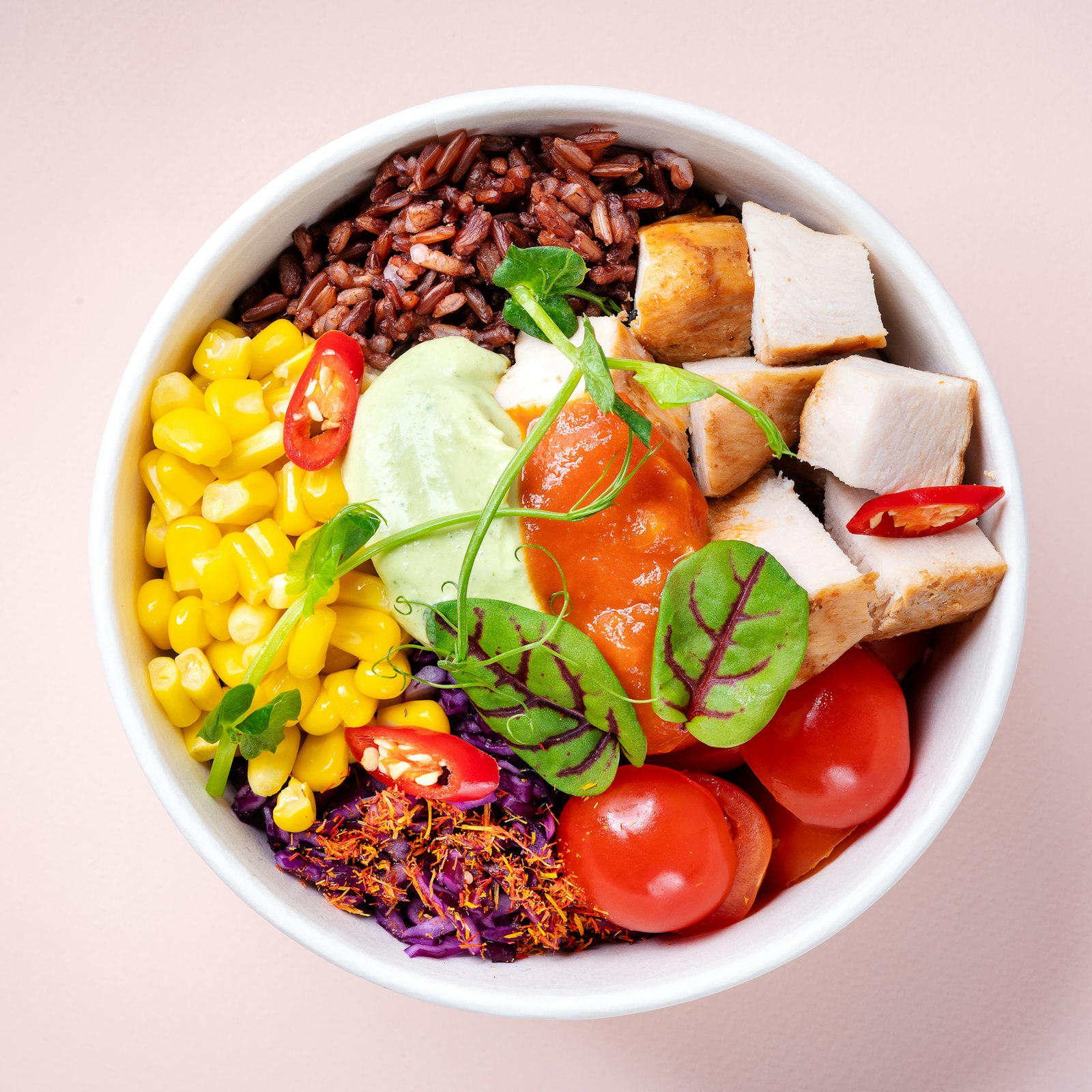
You know the moment. You’re standing in the grocery aisle holding a pack of tofu in one hand and a tub of Greek yogurt in the other, doing tired phone math: Is this enough protein? Is this too expensive? Am I about to spend too much on “healthy” food and still end up eating toast at 10 p.m.?
If that’s where you are, the good news is the problem usually isn’t you. It’s the strategy.
Eating enough protein as a vegetarian on a budget is very doable if you stop building meals around expensive “high-protein” products and start with a few cheap staples that actually do the work.
How much protein do vegetarians actually need?
For most adults, the National Academy of Medicine minimum that Harvard summarizes is 0.8 grams of protein per kilogram of body weight per day. That works out to about 50 grams a day for a 140-pound person and about 70 grams a day for a 200-pound person. Harvard also notes that needs can vary with age, activity, and the rest of the diet. Harvard’s protein guide is a clean place to sanity-check the math.
That “minimum” part matters.
If you work out regularly, are trying to stay full while eating a bit lighter, or simply do better when meals are more protein-forward, you may choose to aim higher. But for most people, the first win is simpler than the internet makes it sound: stop asking, How do I hit some perfect number? and start asking, How do I get one real protein source into each meal?
The Academy of Nutrition and Dietetics’ 2025 position paper says appropriately planned vegetarian and vegan dietary patterns can be nutritionally adequate for adults. In practice, that means protein can come from legumes, soy foods, whole grains, nuts, seeds, dairy, and eggs, depending on how you eat. That is worth trusting more than random TikTok math.
So the real question usually isn’t can you get enough protein as a vegetarian.
It’s how to do it without turning every grocery trip into a financial crisis.
The budget rule that makes this easier: anchors vs helpers
If budget matters, stop thinking in terms of trendy “protein foods” and start thinking in terms of protein anchors and protein helpers.
Protein anchors
These are the foods that can carry a meal.
- Dry lentils
- Dry beans or canned beans
- Chickpeas
- Tofu
- Tempeh, if it’s reasonably priced where you live
- Eggs
- Greek yogurt
- Cottage cheese
- Soy milk
- Frozen edamame
Protein helpers
These add some protein, but usually shouldn’t be the whole plan.
- Oats
- Whole wheat bread
- Pasta
- Rice
- Quinoa
- Peanut butter
- Nuts and seeds
- Cheese
This is the mistake that trips a lot of people up: turning helper foods into anchor foods.
Oatmeal has some protein. Peanut butter toast has some protein. Pasta has some protein. But if that’s the whole meal, you can end the day feeling like you “ate healthy” while still coming up short.
Fake meats and single-serve “protein” snacks are fine sometimes. They’re just usually a bad foundation if you’re trying to keep your grocery bill sane.
What the numbers look like in real food
For exact entries, USDA FoodData Central is the best source, and the number will vary a bit by brand and preparation. Still, a few ballpark amounts are useful: USDA FoodData Central.
- 1 cup cooked lentils: about 18 grams
- 1 cup cooked black beans or chickpeas: about 14 to 15 grams
- 100 grams firm tofu: often around 10 grams
- 1 cup shelled edamame: often around 18 grams
- 1 cup Greek yogurt: often around 20 grams
- 2 large eggs: about 12 grams
- 1 cup cooked oats: about 6 grams
- 2 tablespoons peanut butter: about 7 to 8 grams
You do not need to memorize this.
You just need to notice the pattern: legumes, soy foods, eggs, and dairy do the heavy lifting. Grains and nut butters help, but they work best in support.
A simple daily target that works in real life
Think in protein anchors per meal, not perfect macro math.
A useful real-life target is:
- Breakfast: one anchor
- Lunch: one anchor
- Dinner: one anchor
- Snack: optional, if the day came in light
That’s it. No calculator spiral required.
Example day: lacto-ovo vegetarian, budget version
- Greek yogurt with oats and peanut butter
- Bean burrito with cheese and extra black beans
- Lentil pasta with cottage cheese or a side of eggs
- Apple with peanut butter
Example day: vegan, budget version
- Oats made with soy milk plus peanut butter
- Lentil soup with toast
- Tofu stir-fry with rice and frozen edamame
- Hummus with pita or roasted chickpeas
Notice what’s happening here: no exotic powders, no fake-meat dependence, no sadness salad pretending to be dinner.
If your bigger problem is staying consistent enough to log meals at all, how to track calories without weighing every food is the more useful next step than chasing perfect precision.
The staples worth keeping at home
If your kitchen is always one tired evening away from cereal, keep this list boring on purpose.
Pantry
- Dry lentils
- Dry beans or canned beans
- Chickpeas
- Peanut butter
- Oats
- Whole grain pasta
- Rice
- Canned tomatoes
- Taco seasoning, curry paste, soy sauce, bouillon, garlic powder
Fridge
- Tofu
- Eggs, if you eat them
- Greek yogurt or cottage cheese, if you eat dairy
- Shredded cheese, if it helps you actually eat the beans
Freezer
- Shelled edamame
- Frozen mixed vegetables
- Frozen spinach
The budget move most people skip is this: buy foods that combine well with each other.
Lentils can become soup, curry, tacos, pasta sauce, or a grain bowl. Tofu can become stir-fry, a noodle bowl, a wrap, or a scramble. You want three proteins that can appear in six different meals, not twelve ingredients that make one aspirational recipe each.
Six cheap vegetarian meals built around real protein anchors
1. Lentil taco bowls
Cook lentils with taco seasoning, add rice, beans, salsa, and whatever veg you have. If you eat dairy, yogurt or shredded cheese helps. Cheap, forgiving, reheats well.
2. Tofu stir-fry
Crisp tofu, add frozen veg, soy sauce, and rice. Add edamame if you want the protein even higher.
3. Bean chili
Beans, tomatoes, onion, spices. Good on its own, over rice, over a baked potato, or scooped up with toast when you’ve given up on aesthetics.
4. Greek yogurt bowl
One of the few genuinely easy protein-forward breakfasts: yogurt, oats, fruit, peanut butter. Done.
5. Eggs and beans on toast
If you eat eggs, this is one of the cheapest high-protein meals around. Not glamorous. Very effective.
6. Chickpea pasta with cottage cheese or tofu
If your regular pasta meals leave you hungry an hour later, this is often why. Start with a more protein-forward base and add an anchor on top.
Do you need to combine proteins perfectly at every meal?
Probably not in the old-school way people fear.
The Academy’s consumer guidance emphasizes eating a variety of foods across the day rather than obsessing over perfect protein pairing at every meal. Their vegetarian nutrient guide points people toward a mix of legumes, soy foods, grains, nuts, seeds, dairy, and eggs depending on eating style. See the Academy’s guide to important nutrients for vegetarians.
A 2019 review on plant protein quality makes the more nuanced point: some plant proteins differ in amino acid profile and digestibility, so eating a mix of plant protein sources can improve overall protein quality across the day. This is a good summary.
In plain English: you do not need chemistry-class food pairing at every meal, but it’s still smart to eat a mix of legumes, soy foods, grains, nuts, and seeds across the day.
So no, rice and beans do not need to arrive on the same spoonful at 12:07 p.m. But yes, variety helps.
Where vegetarians on a budget usually get stuck
1. They eat “healthy,” but not protein-forward
Fruit, veg, toast, smoothies, soup. All fine. But if none of your meals has a real protein anchor, the total stays low.
2. They rely on expensive specialty products
A pricey protein bar and a fancy fake-meat lunch can blow the budget fast. Dry lentils and tofu are much less dramatic and much more useful.
3. They build meals around carbs only
Rice, pasta, cereal, bread. Again: helpers, not anchors.
4. Breakfast is basically dessert
Granola and fruit is not a protein plan. Add Greek yogurt, soy milk, eggs, tofu scramble, or peanut butter at minimum.
5. They underestimate dairy, eggs, and soy
If you eat them, these are some of the easiest vegetarian protein wins. If you don’t, soy foods and legumes matter even more.
A cheap 3-step protein strategy for your next grocery trip
Step 1: Buy three anchors
Pick any three:
- Lentils
- Beans
- Tofu
- Greek yogurt
- Cottage cheese
- Eggs
- Soy milk
- Edamame
Step 2: Buy two helpers
- Oats
- Rice
- Pasta
- Bread
- Tortillas
- Potatoes
Step 3: Buy flavor, not fantasy
- Salsa
- Curry paste
- Soy sauce
- Chili crisp
- Frozen veg
- Garlic
- Onions
That’s enough to make protein easier this week without overthinking it.
If you want the same idea applied to a whole day of eating, what a day of high-protein eating actually looks like is the natural next read.
The honest tradeoff
If you’re vegetarian on a budget, you can absolutely eat enough protein. But there is a tradeoff: it usually asks for a little more planning than throwing random snack food into a cart and hoping the macros sort themselves out.
The upside is that the cheapest protein sources are often the least fancy: beans, lentils, tofu, eggs, yogurt, and soy milk. You do not need a supplement shelf. You need a repeatable grocery list.
If you’re vegan, the planning bar is a bit higher over time for nutrients like vitamin B12, which the Academy flags as a common nutrient to pay attention to for vegetarians and especially vegans. That’s not a reason to panic. It’s a reason to be deliberate. The Academy’s vegetarian nutrient guidance covers that clearly.
A simple weekly target that works better than perfection
For the next seven days, try this:
- Put one obvious protein anchor in every meal
- Make two cheap protein foods your defaults
- Repeat the same lunch three times instead of inventing a new life on Wednesday
- If a meal is mostly carbs, add beans, tofu, eggs, yogurt, cottage cheese, or soy milk
That is boring advice.
It is also the advice that works.
Cheap protein anchors first. Everything else second.
And if you want one place to track meals, workouts, and your streak without juggling five different apps, OgamicX fits this topic naturally: one app for the whole day, with fast MealScan, manual logging, workouts, fasting, and a streak that counts all of it together. Free to download, no card.
Keep going:

Written by
The OgamicX Team
Tips, guides, and insight on fitness, nutrition, fasting, and building habits that last — from the team behind OgamicX.
About OgamicXFound this useful? Share it.