
Hit Your Protein Goal Without Supplements
Hit your protein goal without supplements with simple whole-food meals, smarter protein timing, and cheap staples you can actually repeat.
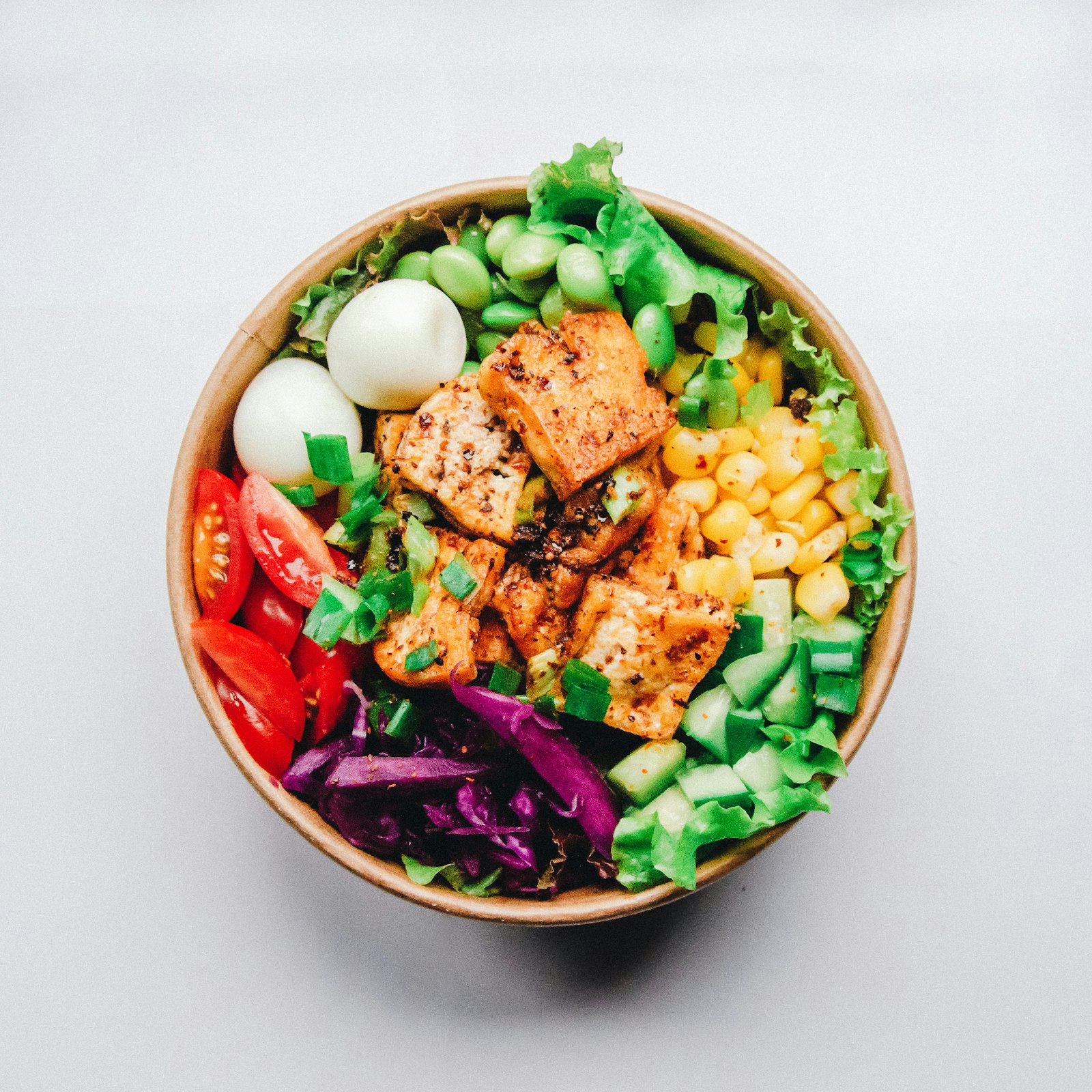
It usually happens at 9:17 p.m. You open your food log, look at the day, and realize you’re somehow still short on protein even though you ate actual meals like a functioning adult.
You do not need a chalky shake to fix this.
For most healthy adults, the baseline protein recommendation is 0.8 g/kg/day, and for people who train regularly, a widely cited sports nutrition position stand puts a useful active range at about 1.4 to 2.0 g/kg/day. That does not mean you need to think about protein all day. It means the easiest fix is usually boring and effective: stop treating protein like a nightly emergency and start building it into each meal on purpose. The NIH Office of Dietary Supplements summarizes the RDA framework, and outlines the higher range often used for exercising adults.
How to hit your protein goal without supplements: the short answer
If you want the no-nonsense version, do this:
- Pick a realistic daily protein target.
- Split it across 3 to 4 eating moments instead of asking dinner to save the day.
- Build each meal around one clear protein anchor first.
- Repeat cheap staples you actually like.
- Log for a week so you can see where the real gap is.
That’s the whole game.
Most people who miss their protein goal are not failing because they need powder. They’re usually under-eating protein at breakfast, relying on snacks that do almost nothing for the total, or saving nearly all their protein for dinner.
Start with a protein goal that isn’t made of vibes
A lot of protein confusion comes from mixing up different targets.
The 0.8 g/kg/day number is the adult baseline recommendation, not a magic “best for everyone” target. For people who exercise regularly, sports nutrition guidance often lands higher, with noting that about 1.4 to 2.0 g/kg/day is sufficient for most exercising individuals trying to support training adaptations. The NIH nutrient recommendations page covers the baseline framework, and is the cleaner source for the active-adult range.
You do not need to turn this into a personality trait. You just need a target you can repeat.
A practical way to think about it:
- General health: the baseline may be a reasonable starting point.
- Training regularly: many people use a target somewhere in that active range.
- Beginner move: pick one number, keep it steady for two weeks, and see whether your normal eating pattern can support it.
The mistake is setting a high number and then trying to catch up at night. That is how dinner turns into homework.
Why whole-food protein feels harder than it is
Protein from whole foods can feel harder for two reasons.
First, protein is often less visible than carbs or fats in a meal. Toast is obvious. Rice is obvious. Peanut butter is obvious. But unless you build around it, protein can end up as the side character.
Second, many people front-load convenience and back-load intention. Breakfast is light. Lunch is random. Snacks are whatever. Then dinner is supposed to rescue the day.
That pattern is fixable.
Spread protein across the day instead of making dinner do something heroic
The internet loves to turn protein timing into a sacred ritual. Real life is simpler.
A practical per-meal approach helps because it spreads the work out. Reviews on protein distribution note that meal targets around 0.25 to 0.4 g/kg per meal are often discussed in the literature, while also being honest that the exact “best” distribution pattern is still not fully settled. A newer review says the importance of distribution is still unclear and intertwined with age, activity, and total intake, which is the kind of nuance the internet usually throws out the window. lays out the commonly cited 0.25 to 0.40 g/kg/meal range, while a makes the honest point that distribution matters in context and is not a solved one-size-fits-all formula.
So no, you do not need the perfect anabolic spreadsheet.
You need breakfast, lunch, dinner, and maybe one snack to stop freeloading.
The easiest way to hit your protein goal: build each meal around a protein anchor
Instead of asking, “How do I cram more protein into my day?” ask, “What’s the protein anchor for this meal?”
A protein anchor is just the food doing the heavy lifting. Everything else is support.
Cheap protein anchors that actually help
If you want a reality-based list instead of “just eat clean,” use foods you can repeat without getting bored or broke. The USDA’s FoodData Central is useful here because it gives standardized nutrient data for common foods, so you can compare workhorse options instead of guessing from packaging vibes. USDA FoodData Central is the cleanest source for that.
Good repeatable anchors include:
- Greek yogurt
- Eggs
- Cottage cheese
- Chicken thighs or breasts
- Canned tuna or salmon
- Tofu
- Tempeh
- Edamame
- Lentils
- Beans
- Milk
- Soy milk
The goal is not to eat “fitness food.” The goal is to have 5 to 8 reliable staples that make the math easier.
What this looks like in an actual day
Instead of:
- toast for breakfast
- a lunch that is technically food but not doing much protein-wise
- fruit as a snack
- huge dinner panic
Try:
- Breakfast: Greek yogurt with fruit and oats
- Lunch: rice bowl with chicken, tofu, or beans
- Snack: cottage cheese, eggs, edamame, or milk with fruit
- Dinner: pasta with lean meat, lentils, tofu, or fish
Same number of meals. Much less drama.
Breakfast is where a lot of protein goals quietly die
If breakfast gives you 5 to 10 grams of protein and lunch is not much better, dinner has to do something unreasonable.
This is why “I can never hit my protein goal without shakes” often really means “my first two meals are basically decorative.”
A stronger breakfast changes the whole day.
Better cheap breakfasts for protein
Try one of these:
- Greek yogurt + oats + fruit
- Eggs on toast with a side of milk
- Cottage cheese + fruit + cereal
- Tofu scramble with rice or toast
- Overnight oats made with milk and Greek yogurt
None of this is glamorous. That is a feature, not a bug.
Boring meals you’ll actually repeat beat aspirational recipes you make once and forget.
Cheap whole-food protein sources worth repeating
If budget matters, cost per serving matters more than wellness-aesthetic nonsense.
Usually budget-friendly options:
- eggs
- Greek yogurt in larger tubs
- cottage cheese
- milk
- canned tuna
- rotisserie chicken
- chicken thighs
- tofu
- dry lentils
- dry beans
- frozen edamame
Again, USDA FoodData Central is useful if you want to compare foods by nutrient content instead of marketing language.
The honest tradeoff on cheap protein
Cheap protein is not always the most convenient protein.
Dry beans and lentils are cost-effective, but they take planning. Greek yogurt is convenient, but branded single-serve versions can get expensive fast. Chicken thighs are often cheaper than breasts, but not everyone wants to prep meat multiple times a week. Tofu is great value in some places, less so in others.
So build your list around the intersection of:
- affordable enough
- easy enough
- tastes good enough
- available at your actual store
That “enough” matters. Perfection is where grocery plans go to die.
If you’re plant-based, this still works
You can absolutely hit your protein goal without supplements on a plant-based diet. It just usually takes a little more intention.
Plant-based patterns work better when you stop treating beans as decoration and start treating them like the protein source. Soy foods help a lot here because they make it easier to get meaningful protein without weird gymnastics.
Practical rules:
- Don’t let every meal be carbs plus hope.
- Use tofu, tempeh, edamame, or soy milk often if they work for you.
- Treat beans and lentils as the center of the meal, not a side note.
- Repeat reliable combos: tofu rice bowls, lentil pasta, bean chili, soy yogurt, edamame snacks.
You do not need to obsess over combining proteins with scientific ceremony at every meal. What matters more is total intake across the day and enough food variety to cover your bases.
Snacks matter more than people admit
The difference between missing and hitting your protein goal is often one decent snack.
Good protein snacks without supplements:
- Greek yogurt
- Cottage cheese
- Hard-boiled eggs
- Edamame
- Turkey slices
- Tuna packet with crackers
- Milk with fruit
- Roasted chickpeas
Snacks are not morally good or bad. They just either help the total or they do not.
Don’t chase perfect protein timing
Here’s the sane version:
- First priority: hit your daily total consistently.
- Second priority: get meaningful protein into 3 to 4 eating moments.
- Third priority: if you train, it’s reasonable to include protein in meals around that training.
That is enough precision for most people.
If you want to go deeper on the consistency side of this, read how to track calories without weighing every food. If the bigger problem is that your meals keep drifting because the whole system feels chaotic, stop juggling 5 fitness apps is the more honest fix.
The fastest fix: stop making dinner carry the whole day
If you remember one thing from this post, make it this: protein works better as a plan than as a rescue mission.
A simple pattern looks like this:
The 25-to-35 gram habit
For many people, main meals that land somewhere around 25 to 35 grams of protein do real work toward the day’s total. That is not a universal magic number, but it lines up reasonably well with the per-meal ranges often discussed in the literature for a lot of adults depending on body size and goals.
That could look like:
- breakfast with Greek yogurt and milk
- lunch with chicken, tofu, tuna, or a bean-based main
- dinner with another clear protein anchor
- one snack if needed to close the gap
Notice what’s missing: panic.
A one-week experiment that usually works
For the next 7 days:
- Keep your current protein target.
- Log your normal intake honestly.
- Circle the meal where protein is weakest.
- Fix that meal first.
- Add one protein snack you can repeat daily.
- Buy the same 3 to 5 protein staples next week.
Most people do not need a total food identity rewrite. They need one stronger breakfast, one less-random snack, and one lunch with an actual protein source.
Where meal logging actually helps
This is the part people skip because it sounds annoying. It is also the part that tells you the truth.
If you’re always trying to eat more protein but never quite getting there, logging for a week shows whether the problem is:
- breakfast too light
- lunch too carb-heavy
- snacks too low in protein
- dinner inconsistent
- target unrealistic for how you actually eat
That is a much more useful answer than buying supplements and hoping the problem disappears.
And if you want the process to feel less manual, this is one of the few places an app genuinely earns its keep. In OgamicX, you can log meals manually or use AI MealScan to estimate calories and macros from a meal photo. The free tier includes 3 scans per day, which is enough for most people to spot where their protein is coming from and where it isn’t; Premium unlocks unlimited scans. The useful part here is not “tech magic.” It is making the truth of your day easier to see, so you can fix the weak meal instead of guessing.
The honest bottom line
You do not need supplements to hit your protein goal.
You need a target that makes sense, a few repeatable whole-food staples, and a day structure where protein shows up before dinner.
The evidence-backed version is pretty unsexy: healthy adults have a baseline recommendation of 0.8 g/kg/day, active people often aim higher, and spreading protein across meals is a practical strategy even if the exact “best” pattern is still still being argued about. The NIH overview all point in that same general direction.
Which is good news, honestly. This is not a supplement problem. It is a planning problem. And planning problems are fixable.
Keep going:

Written by
The OgamicX Team
Tips, guides, and insight on fitness, nutrition, fasting, and building habits that last — from the team behind OgamicX.
About OgamicXFound this useful? Share it.