
Estimate Calories in Home Cooked Meals
Estimate calories in home cooked meals without obsessing. A simple close-enough method for recipes, portions, and messy mixed dishes you still want to log.
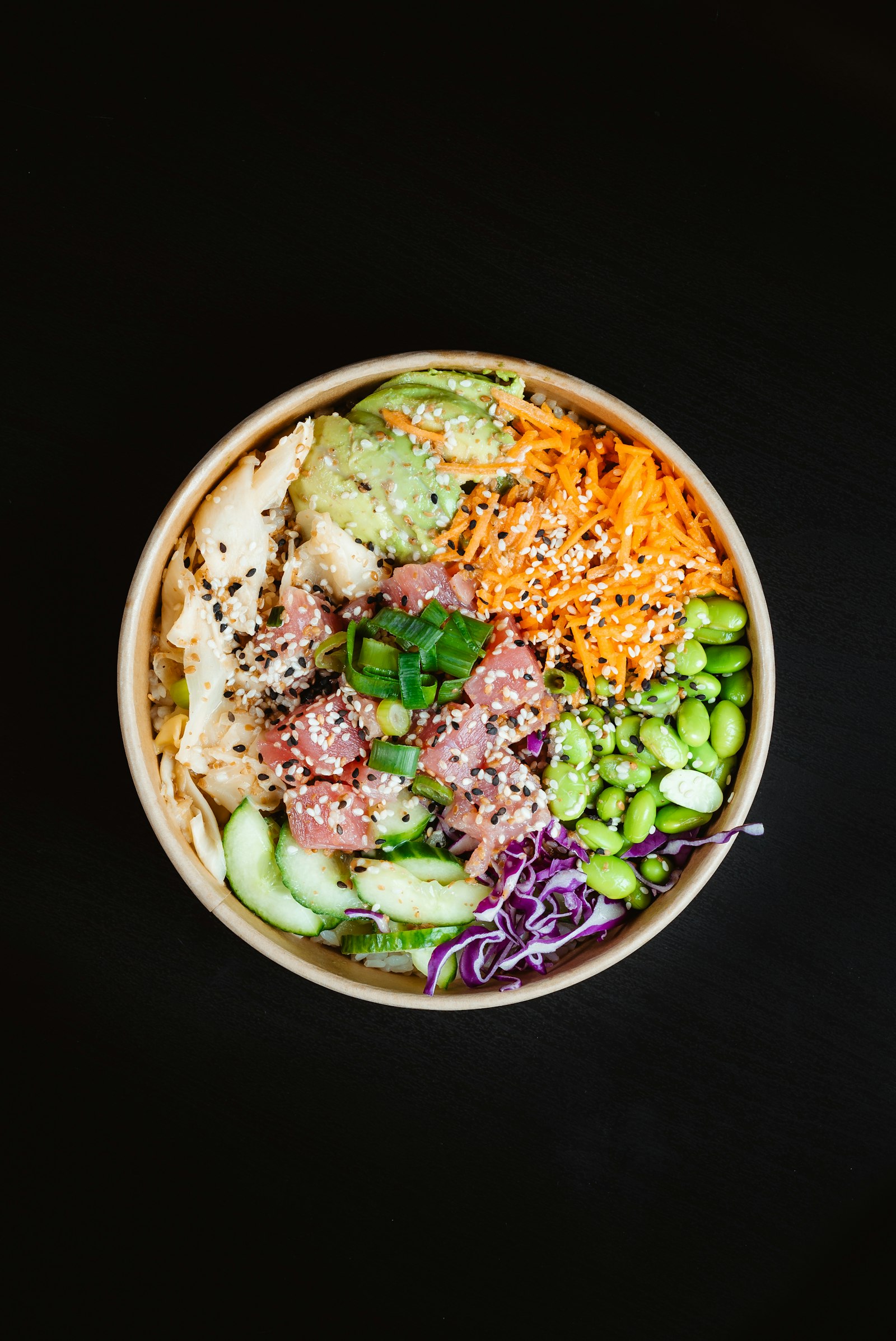
You know the moment. Dinner’s done, the pan is still on the stove, and what’s on your plate is something deeply unhelpful to a calorie tracker: not a packaged food, not a chain-restaurant bowl, just normal human food.
Maybe it’s your mom’s curry, your own pasta with “some” olive oil, or a chili that had six ingredients, then nine, then a handful of cheese on top because the day was long.
Here’s the short answer: estimate the whole recipe first, then divide by the servings it actually made, then log your portion. If you didn’t cook it, deconstruct the plate into protein, starch, fats, and extras. It will not be perfect. It can still be very useful.
This is where a lot of people quietly give up logging. Not because they’re lazy. Because home cooked meals are messy, and portion-size estimates are genuinely hard. Research on dietary assessment consistently treats portion-size estimation as a major source of measurement error, and mixed or irregular foods make that harder, not easier. a study on image- and text-based portion estimation
The good news: you do not need perfect numbers to make home meal logging useful. You need a repeatable way to get close enough that the pattern means something.
The simplest way to estimate calories in a home cooked meal
Use this order:
- List the main ingredients
- Estimate how much of each went in
- Total the recipe
- Divide by how many servings it actually made
- Log your portion, not the whole pot
That’s the method.
If you do that consistently, you’re already doing something much more useful than skipping the meal because the number won’t be perfect.
For ingredient data, USDA FoodData Central is a strong default for common foods and nutrient values. USDA FoodData Central
Why home cooked meals are harder to log than restaurant food
Restaurant meals are often easier to track because someone else already did the math. Home cooking puts the uncertainty back in your hands:
- oil poured straight from the bottle
- “a handful” of shredded cheese
- one potato that was huge, another that was tiny
- recipes that feed 3.5 people in real life, not 4 on paper
- seconds you didn’t plan on having
Also, serving size and portion size are not the same thing. A serving size is the standardized amount on a label or recipe; your portion is what you actually ate. That distinction matters when you’re trying to log what was on your plate instead of what a recipe card imagined. Academy of Nutrition and Dietetics on serving size vs portion size
So if you’ve ever logged a home cooked meal and felt weirdly unsure even when you were trying hard, that’s normal. The weak point usually isn’t effort. It’s the estimation method.
Best method: estimate the whole recipe first
If you cooked the meal, start with the full pot, tray, or pan. This is usually more useful than trying to reverse-engineer one plated serving afterward.
Step 1: Start with the ingredients that matter most
You do not need to obsess over every herb and squeeze of lemon. Start with the ingredients that move the calorie total the most:
- oils and butter
- rice, pasta, noodles
- meat, tofu, beans
- cheese
- cream, coconut milk, sauces
- breading or batter
- nuts, seeds, nut butters
A good rule: if you only have the energy to estimate part of the meal, estimate the high-calorie parts first.
Step 2: Use standard entries, not random user submissions
Homemade dishes get messy fast when the database entry is vague. “Chicken curry homemade” can mean almost anything. “Chicken thigh, cooked” plus “coconut milk” plus “oil” is much more useful.
USDA FoodData Central is a solid default for common ingredients. USDA FoodData Central
Step 3: Add the full recipe total
Say you made a simple beef pasta:
- 1 lb ground beef
- 8 oz dry pasta
- 2 tbsp olive oil
- 1 jar tomato sauce
- 1 oz parmesan
Log each ingredient, then add them together for the recipe total.
The exact number matters less than using the same logic every time.
Step 4: Divide by actual servings
If the recipe says “serves 4” but in your house it really makes 3 big bowls, trust reality.
This is where people often under-log. The recipe card’s serving estimate is usually less useful than what actually happened in your kitchen.
Quick rule:
- if everyone ate one equal serving and the pot is empty, divide by people fed
- if there were leftovers, count how many future portions are left
- if you ate more than one share, log more than one share
If you didn’t cook it, deconstruct the plate
Sometimes you’re eating someone else’s food and there is no recipe. Fine. Don’t skip the log. Break the meal into parts.
Ask:
- what’s the protein?
- what’s the starch?
- what’s the visible fat or sauce?
- what are the extras?
A home cooked chicken-and-rice plate might become:
- chicken thigh, about palm-sized
- rice, about 1 to 1.5 cups
- sauce, maybe 2 to 3 tablespoons
- vegetables, small side
- oil used in cooking, rough add-on if it looks glossy
This is less precise than full-recipe logging, but still useful. “Reasonably close and actually logged” beats “perfect in theory, never entered.”
If you want a simpler fallback for days when all this feels annoying, read how to track calories without weighing every food.
Portion estimation is the bottleneck
This is the honest part: estimating portions by eye is hard, even in research settings. Mixed dishes, liquids, and amorphous foods are especially tricky. a study on image- and text-based portion estimation
So don’t build your whole system around pretending you’ll nail every bowl of stew to the gram by sight. Build around a few practical anchors.
Useful portion anchors when you don’t have a scale
Visual comparisons can help when measuring tools aren’t available. Academy of Nutrition and Dietetics on serving size vs portion size
- Palm = rough estimate for a serving of protein
- Fist = roughly a cup-sized visual for many foods
- Thumb = useful for fats like butter or nut butter
- Cupped hand = handy for rice, pasta, cereal, snacks
Not perfect. Still useful.
What matters most is using the same anchors repeatedly so your estimates get more consistent over time.
The biggest calorie traps in home cooked meals
1. Cooking oil that “didn’t count”
A free-poured tablespoon can become two or three very quickly. Oil and butter are small in volume and easy to forget, which makes them classic underestimation territory.
2. Sauces, dressings, and creamy add-ons
Curry sauces, pesto, mayo-based dressings, coconut milk, peanut sauce, cheese sauce — these can change the total more than the base ingredients do.
3. Raw vs cooked confusion
Rice, pasta, oats, and meat can look very different depending on whether the entry is raw or cooked. If you measured it dry, log a dry entry. If you’re estimating from the plate, a cooked entry usually makes more sense.
4. Tasting while cooking
A spoon here, a fork there, “just checking the seasoning.” It counts. Not in a moral way. In a math way.
5. Logging the recipe but forgetting your portion
A recipe might be 2,000 calories total. That does not mean your bowl was 500 unless the pot really made four equal bowls.
A close-enough system for busy people
If detailed recipe logging makes you want to throw your phone into a drawer, use a tiered system.
Tier 1: Exact enough
Use this when you cooked and know the ingredients.
- log the main ingredients
- total the recipe
- divide by servings
- save it if you make it often
Tier 2: Structured estimate
Use this when someone else cooked.
- deconstruct the plate
- estimate protein, starch, fats, sauce
- choose standard entries
- round reasonably
Tier 3: Best-guess fallback
Use this when the meal was chaotic and you’re tired.
- find the closest generic match
- choose a medium-to-slightly-conservative portion
- move on
That third tier matters more than people think. The goal is not a perfect Tuesday. It’s a log you can still keep on Thursday.
Save repeat meals once and make future logging easier
One of the easiest wins: if your household repeats meals, do the math once.
Things worth saving:
- your usual chili
- your family pasta
- your breakfast scramble
- your chicken and rice bowl
- the stir-fry you make every Monday when life is rude
Once a meal is built once, future logging gets much easier. Easier systems are the systems you keep.
How accurate do you actually need to be?
Accurate enough to spot patterns. Not accurate enough to impress a lab.
Public-health guidance frames calorie counting as a way to keep track of what you eat and drink so you can make more informed choices over time, not as some magic precision exercise. NHS guide to calorie counting
If your home cooked estimate is off by a little, but you’re logging in the same honest way each time, the data can still be useful. What matters is reducing the size of the blind spot.
That’s also why a faster logging method can help. If the friction is the thing making you quit, the better system is usually the one you’ll actually keep opening. That’s the whole idea behind what makes a fitness app stick.
Worked example: estimating a homemade curry bowl
Let’s do the math on a simple version.
You made a pot with:
- 2 chicken thighs
- 1 tbsp oil
- 1 cup coconut milk
- onion
- curry paste
- 2 cups cooked rice on the side
A rough calorie estimate might look like this:
- 2 chicken thighs: ~360
- 1 tbsp oil: ~120
- 1 cup coconut milk: ~445
- onion + curry paste: ~60
- 2 cups cooked rice: ~400
That puts the full meal at roughly 1,385 calories.
Now say your bowl was about:
- half the chicken and sauce
- 1 cup cooked rice
Then your estimate would be:
- half the curry pot: about 492 calories
- 1 cup cooked rice: about 200 calories
So your bowl would land around 690 calories.
Not perfect. But far better than searching “homemade curry bowl calories” and hoping a stranger’s entry matches yours.
When photo-based logging can help
Photo logging can be useful when the alternative is not logging at all, especially for mixed meals where typing every ingredient feels annoying. But it’s worth being honest about the limits: reviews of image-based dietary assessment note real challenges around food recognition, volume estimation, and nutrition estimation, especially once meals get mixed, messy, or heavily customized. a survey of image-based dietary assessment methods
Best use case: not “the photo knows everything,” but “the photo helps me start faster, then I correct it if needed.”
That’s also the sensible way to think about OgamicX’s MealScan. It’s fast, it lowers the activation energy, and it helps you get the meal into the app without turning dinner into homework. The honest tradeoff is the same as with any photo-based system: mixed dishes and homemade recipes can still need a quick correction from you.
The honest tradeoff
Home cooked meal estimates will never be as clean as scanning a barcode. Mixed dishes, oils, serving sizes, and family-style eating make sure of that.
But restaurant entries aren’t automatically more accurate for your meal either. A chain-database chicken alfredo is precise for their recipe, not for the pasta you made with extra oil and less cream, or the one your aunt made by feel.
So the better question isn’t, “Can I make this perfect?”
It’s, “Can I make this consistent enough to be useful?”
Usually, yes.
A simple rule to remember
When you eat home cooked meals, estimate in this order:
- ingredients
- recipe total
- real servings
- your actual portion
If you remember that, you’ll avoid most of the common logging mistakes.
Home cooked meals don’t need perfect numbers. They need a method you’ll still use when you’re tired.
And if you want the bigger-picture context for why calorie logging matters at all, read calorie deficit explained.
Keep going:

Written by
The OgamicX Team
Tips, guides, and insight on fitness, nutrition, fasting, and building habits that last — from the team behind OgamicX.
About OgamicXFound this useful? Share it.