
How to Estimate Portion Sizes Without a Food Scale
Estimate portion sizes without a food scale using a simple hand method that’s fast, realistic, and good enough to keep meal logging consistent.
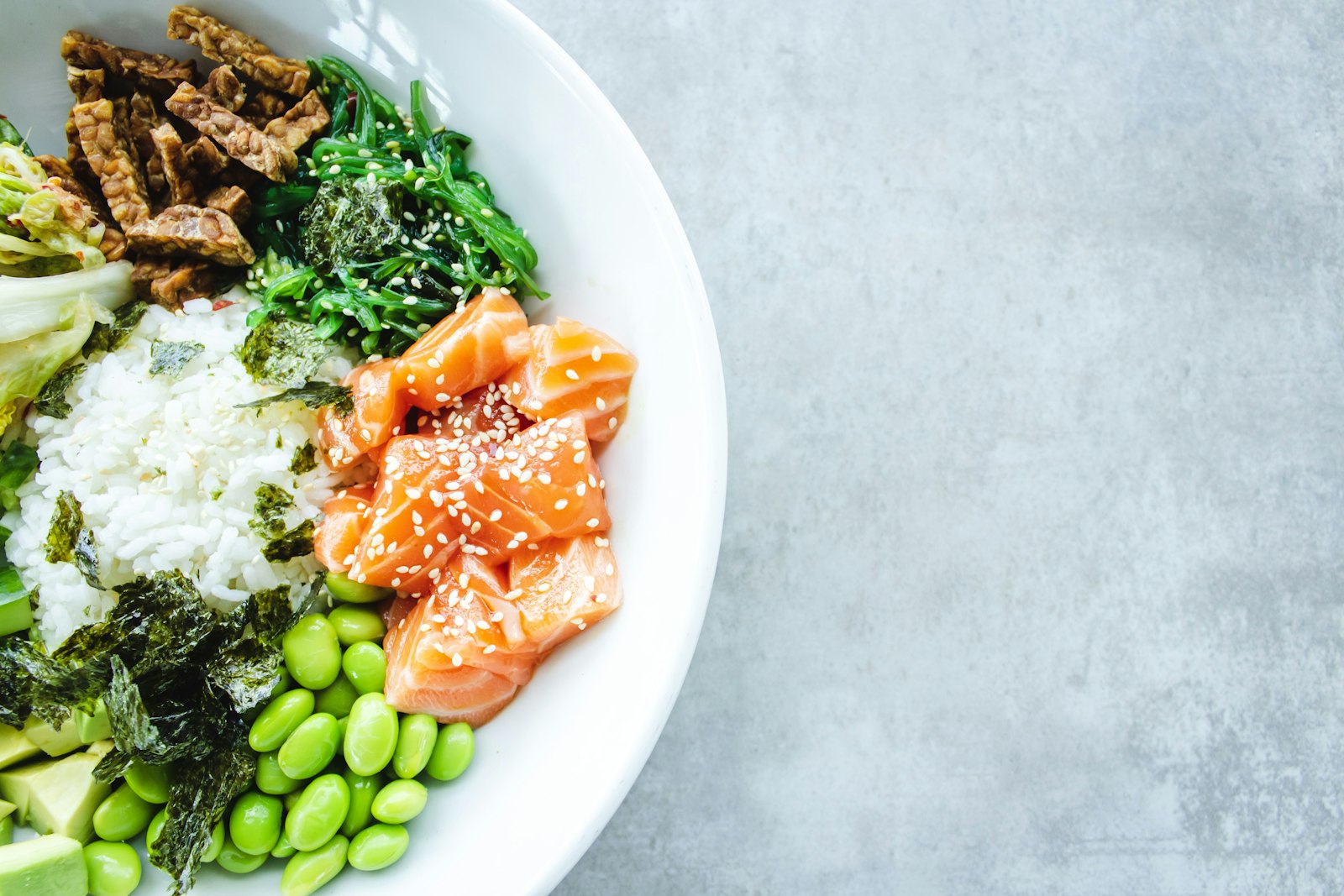
You know the moment. You made something decent for lunch, you’re trying to log it, and then the app asks how much rice, chicken, and peanut sauce actually made it onto the plate. You stare at the bowl like it’s supposed to confess. No scale. No measuring cups. Just vibes.
Here’s the honest answer: you can estimate portion sizes pretty well without a food scale if you use a simple hand method and stay consistent about it. It will not be lab-grade accurate. Research on portion-size estimation shows people often misjudge amounts, but using practical aids is still more useful than giving up and logging nothing at all. A study comparing hand measures with household measures found that hands can work as estimation aids, while a review of image and text-based portion estimation tools notes that estimating portions is hard in the first place.
How to estimate portion sizes without a food scale
Start with your hand. It travels with you, scales to your body better than random objects do, and is easier to remember than “a tennis ball of pasta” once you’re actually hungry.
A practical rule of thumb looks like this:
- Palm = protein
Think cooked chicken, fish, tofu, tempeh, lean meat, or a burger patty. - Fist = vegetables or fruit
Good for chopped veggies, salad volume, berries, apple slices. - Cupped hand = carbs
Rice, pasta, oats, cereal, beans, potatoes cut up. - Thumb = fats
Nut butter, oils, mayo, butter, salad dressing, cheese spreads. - Two thumbs = bigger fat portions
Useful for things like a generous dressing pour or a large scoop of peanut butter.
This is not an official universal medical formula. It’s a practical estimating tool. The bigger nutrition point from USDA guidance is simpler than that: build meals around fruits, vegetables, protein foods, and grains instead of getting trapped in precision theater over every bite. is the broad pattern, not perfect math.
Why the hand-portion method works well enough
The hand method works because it gives you a consistent reference, not because your palm contains magic nutrition data.
That distinction matters. Estimating food by eye is hard, and errors are common. The research here is useful but not something to oversell: the evidence suggests hand measures can help, yet accuracy varies by food type, shape, and context. That same hand-measure validation study is best read as “helpful, not perfect.”
That’s actually fine for most normal eating situations. If your goal is to be more aware, eat a little more consistently, or log meals without turning dinner into a chemistry lab, “close enough in the same direction every day” beats “I couldn’t weigh it, so I skipped tracking.” And it helps to know the language: a serving size is a standardized reference, while a portion size is what you actually eat.
The easiest hand guide to remember
If you want the shortest possible version, use this:
1 palm of protein
Examples:
- chicken breast pieces
- salmon
- tofu
- turkey slices
- Greek yogurt as a side protein can be logged by container or label instead
1 cupped hand of carbs
Examples:
- cooked rice
- pasta
- quinoa
- beans
- granola
- chopped potatoes
1 fist of vegetables
Examples:
- broccoli
- carrots
- salad greens
- roasted peppers
- mixed vegetables
1 thumb of fats
Examples:
- olive oil
- peanut butter
- butter
- mayo
- creamy dressing
- nuts can be estimated as a small handful, but they’re easy to underestimate
That gets you through most ordinary meals fast.
A better way to build the plate
If you don’t want to think food-by-food, zoom out and estimate the plate first.
USDA’s MyPlate guidance pushes a broad visual pattern rather than ultra-precise tracking. One of its simplest cues is to make half your plate fruits and vegetables. For real-life logging, that’s often more useful than arguing with yourself about whether the rice was 140 or 170 grams.
A simple visual version:
- Half the plate: vegetables and fruit
- Quarter of the plate: protein
- Quarter of the plate: carbs or grains
- Fats: usually added in smaller amounts through oil, dressing, cheese, sauce, avocado, nuts
If you’re eating a stir-fry, grain bowl, burrito bowl, or takeout container, this plate view is often easier than trying to isolate every ingredient perfectly.
How to estimate common foods in real life
This is where most people get tripped up. Not chicken and rice in theory. The actual lunch.
Rice, pasta, oats, cereal
Use a cupped hand as your starting estimate for one portion of cooked carbs. If the bowl looks like it would clearly overflow your hand, you’re probably closer to 1.5 to 2 cupped hands. The research on hand-based estimation aids supports using hands as practical references, even if they’re not exact.
Chicken, fish, tofu, meat
Use your palm for thickness and surface area. A palm-sized portion of cooked protein is a solid rough estimate. If you’ve got a double chicken serving from takeout, it may be two palms, not one.
Vegetables
Use your fist or just think in plate fractions. Vegetables are the least useful place to become weirdly perfectionist. If half the plate is produce, you’re already close to the direction .
Oils, dressings, nut butters, mayo
These are easy to miss because they don’t take up much room. Use your thumb as a reminder that fats are usually smaller-volume, more energy-dense add-ons. NIH portion materials have long emphasized that modern portions can quietly grow, especially for richer foods and restaurant meals, which is the whole idea behind its portion distortion guidance.
Mixed meals
For chili, curry, casseroles, burrito bowls, fried rice, pasta dishes, or restaurant plates, break it mentally into parts:
- protein
- carb base
- vegetables
- visible fats or sauces
You do not need courtroom evidence. Just make your best split and move on.
The foods people underestimate most
If your estimates keep feeling off, it’s usually not because you can’t eyeball broccoli. It’s because a few foods are sneaky.
Watch these first:
- oils and butter
- creamy dressings and sauces
- peanut butter and nut butters
- nuts and trail mix
- shredded cheese
- granola
- restaurant portions in general
The NIH’s exists for exactly this reason: modern portions are often larger than people think, especially when you’re eating out.
How to get better at estimating portions
You do not need a food scale forever. But using one briefly can train your eye.
Try this for one week:
- Pick 5 foods you eat all the time.
- Measure them once at home with a scale, measuring cup, or label.
- Look at what that amount actually looks like on your usual plate or bowl.
- The next time, estimate first before checking.
That kind of feedback loop is what improves estimation. The broader literature on portion-estimation aids suggests that concrete visual tools usually beat pure guessing, even though none of them are perfect; that’s the useful takeaway from this review on food images and textual descriptors.
A few practical upgrades:
- Use the same bowls and plates often.
- Log foods in the same units each time.
- Save repeat meals when you can.
- If you’re between two guesses, pick the one you can defend consistently.
If this is your bigger sticking point, read how to track calories without weighing every food next. It’s the same problem from the consistency side instead of the portion side.
Portion size vs serving size: the part that confuses everybody
These are not the same thing.
A serving size is a standardized amount on a label or in guidance. A portion size is what you actually put on your plate. If you eat double the listed serving, that’s your portion. The Academy of Nutrition and Dietetics explains that difference clearly in its guide to serving size vs portion size.
So if your cereal label says one serving is 1 cup and your bowl is obviously more like 2 cups, log the 2 cups. Honesty beats optimism.
What to do at restaurants
Restaurant food is where the hand method earns its keep.
Use this order:
- Estimate the whole plate first
Half veggies? Giant pile of fries? Sauce everywhere? - Identify the protein
One palm? Two? - Estimate the carb base
One cupped hand of rice, or more like three? - Don’t ignore fats
Dressing, oil, butter, aioli, cheese, nuts, creamy sauces.
And yes, restaurant portions are often larger than one standard serving. That’s the whole point of the NIH’s portion distortion materials.
The honest tradeoff
A food scale is more precise than your hand. If you’re doing highly detailed nutrition tracking, recipe development, or you just love exact numbers, weighing food wins.
But most people are not quitting because they lacked decimal-place accuracy. They quit because logging became annoying, slow, and weirdly guilt-inducing. For normal day-to-day eating, a consistent hand-portion method is often the sweet spot: structured enough to be useful, easy enough to survive real life.
That’s the part a lot of nutrition advice skips. Precision is great. Sustainability is better.
A simple template for your next meal
If you want something practical, use this at the next meal you eat:
- 1–2 fists of vegetables
- 1 palm of protein
- 1 cupped hand of carbs
- 1 thumb of fats
Then adjust based on hunger, meal timing, and what the meal actually is. Official plate models are meant to guide the overall pattern, not force every lunch into identical geometry. The NHS Eatwell Guide makes the same broad point: think about the overall pattern of eating, not perfect plates.
If you’re logging meals in an app
This is where a rough estimate is still useful. Logging an approximate portion is usually better than abandoning the meal because you couldn’t weigh it.
If you use OgamicX, this is one of those moments where the app can remove friction instead of creating more of it. You can log meals manually, and MealScan lets you snap a meal photo for an AI estimate of calories and macros. The free version includes 3 MealScans per day, and Premium unlocks unlimited scans. It’s best used as a fast consistency tool, not as a promise of perfect precision.
If you want the bigger picture behind why this still works even when it isn’t perfect, read calorie deficit explained.
Keep going:

Written by
The OgamicX Team
Tips, guides, and insight on fitness, nutrition, fasting, and building habits that last — from the team behind OgamicX.
About OgamicXFound this useful? Share it.