
How Accurate Is Photo Calorie Tracking?
Snap a photo, get a calorie count — but is the number right? Honest answer: it's an educated estimate, never exact. Here's why that matters far less than whether you keep logging at all.
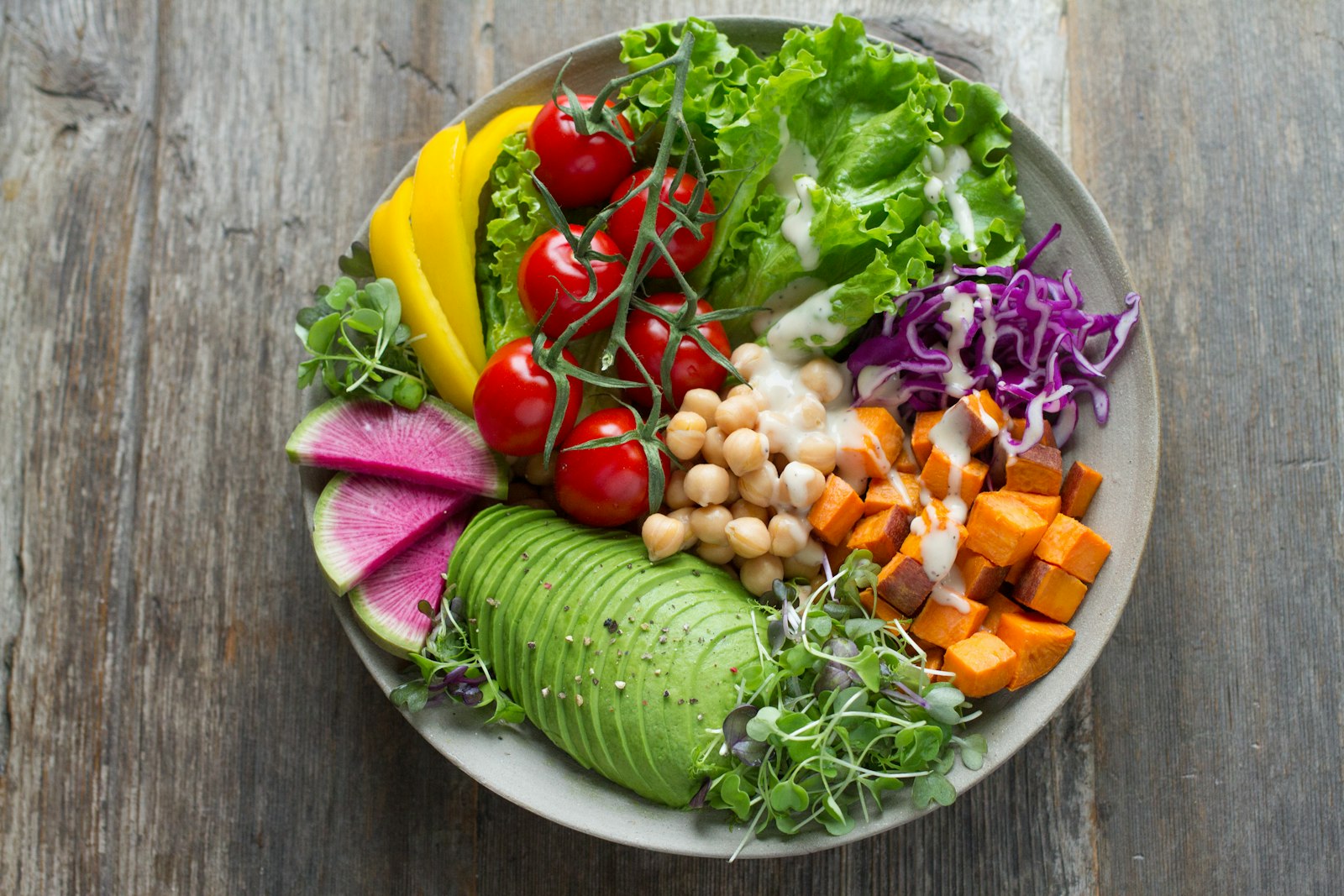
You take a photo of your dinner, and a second later the app tells you: 640 calories, 38g protein. Neat trick. But the skeptic in you asks the fair question — how does it know, and is that number even right? It’s a salad tossed in who-knows-how-much oil, after all.
The honest answer: a photo estimate is an educated guess, not a lab measurement. The more useful answer is that “accurate enough” is a lower bar than you think — and chasing perfect precision is the wrong goal anyway. Here’s why.
Why no calorie number is exact — not even the careful ones
Start with the uncomfortable baseline: people are bad at estimating calories, photo or not. In a classic study, people who believed they were eating modestly were actually under-reporting their intake by close to half. And it isn’t just amateurs — when researchers measured the calories in real restaurant dishes, the plates routinely carried far more than anyone would guess from looking. The oil your salad was tossed in, the true size of the chicken breast — those move the number more than the app’s guess does.
So the honest framing for any tracking method, photo or hand-typed, is the same word: estimate, not truth. That reframes the whole accuracy question. Photo tracking isn’t competing with a perfect number. It’s competing with your own guess — and with your willingness to keep doing it.
Where photo tracking is strong, and where it isn’t
It’s at its best with whole, recognizable foods — an apple, a chicken breast, a bowl of rice — where the app has a fair shot at both identifying the item and reading the portion. Its real advantage, though, is friction: snapping a photo takes a few seconds, and a few seconds is the difference between logging a meal and skipping it.
It’s weakest exactly where humans are too: mixed dishes where the calorie-dense stuff hides (the oil, the dressing, the butter a restaurant cooks in), and judging portion size from a flat photo. So treat the number as a starting estimate you can nudge, not gospel — and a good app lets you adjust it when you know better.
Why consistency beats precision
Here’s the part the accuracy debate misses. Reviews of the self-monitoring research keep finding the same thing: the people who log consistently tend to do better, and the act of logging matters as much as any single number’s precision. A method that’s roughly right and you actually do every day beats a method that’s near-perfect and you abandon in a week because weighing every ingredient is exhausting.
That’s the case for photo logging in one line: it lowers the friction enough that you keep doing it. The fastest log is the one you’ll still be keeping in March — and the same consistency that compounds everywhere else is what actually moves the needle here.
How to use it well
- Snap first, adjust if it’s obviously off. Don’t let “is this exact?” stop you from logging at all.
- Don’t chase the decimal. You’re steering by trends across weeks, not auditing a single dinner.
- Log the messy meals too. The restaurant pasta you’d rather not see is exactly the one worth capturing.
This is the thinking behind MealScan in OgamicX: snap a photo, get a fast calorie and macro estimate, tweak it if needed, move on. We don’t claim it reads your plate to the gram — no app honestly can — but it removes enough friction that logging survives a busy week, and a log that survives is the whole game. The free app gives you a few scans a day, plenty to build the habit, and because one streak counts your meals alongside your workouts, the consistency stacks.
So — how accurate is photo calorie tracking? Accurate enough to steer by, never exact, and far less important than whether you keep logging at all. If you’ve been tracking and the scale won’t move, the fix is usually consistency, not precision — and it helps to be clear on how the deficit actually works before you blame the camera.
Keep going:

Written by
The OgamicX Team
Tips, guides, and insight on fitness, nutrition, fasting, and building habits that last — from the team behind OgamicX.
About OgamicXFound this useful? Share it.