
Does Eating at Night Cause Weight Gain? (The Truth)
Does eating at night cause weight gain? No — your daily calorie total decides, not the clock. Why late snacks pile on, and how to eat at night guilt-free.
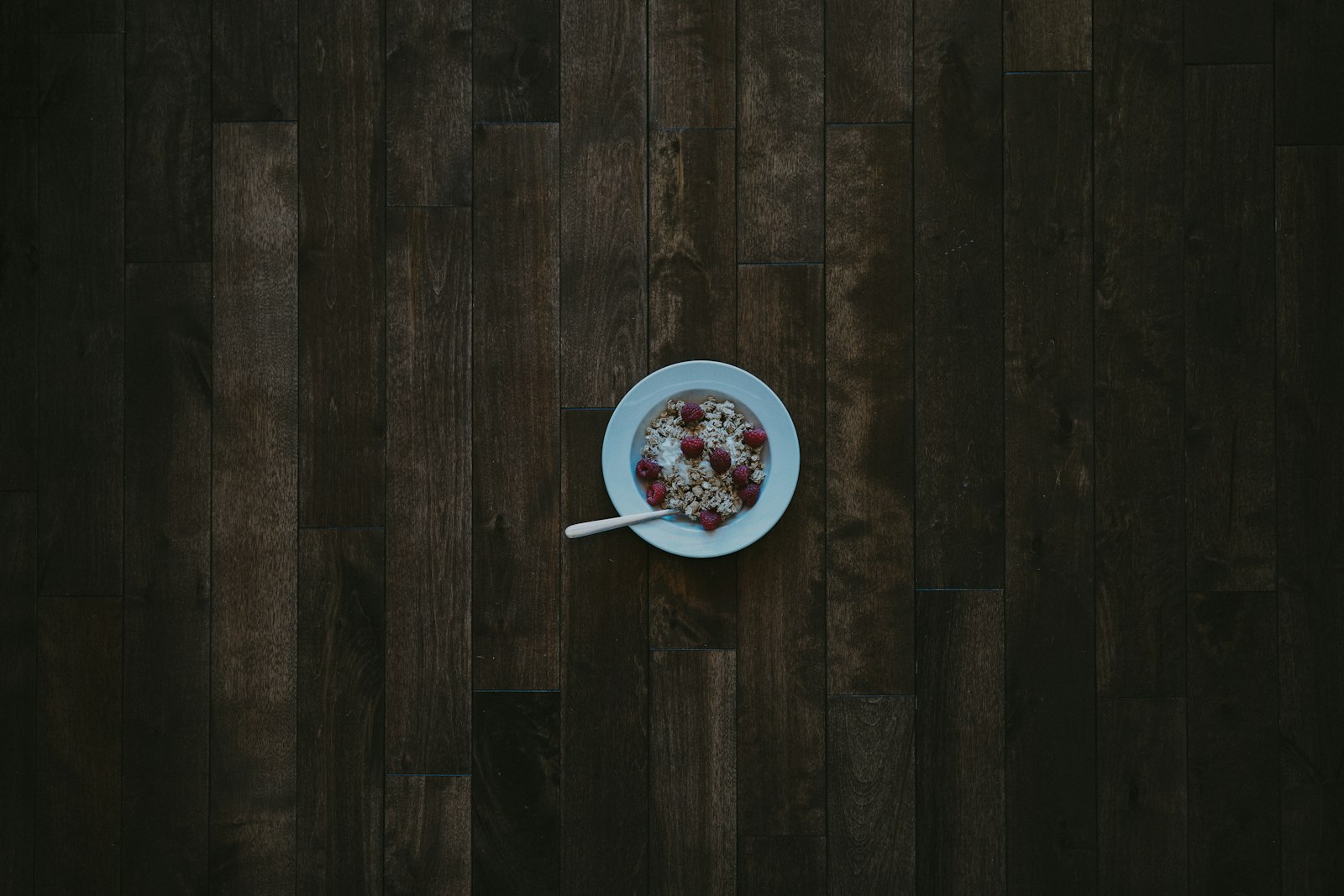
It’s 11pm. You ate dinner hours ago, you’re not even really hungry, but here you are standing at the open fridge, debating a bowl of cereal — and a little voice that sounds suspiciously like a 2010 magazine cover is telling you that anything you eat now goes straight to fat. So you either eat it in a cloud of guilt, or you slam the fridge shut feeling vaguely virtuous and slightly cheated. Either way, the snack stops being food and becomes a moral test you’re somehow failing.
Let’s defuse that. The idea that calories eaten after some cutoff hour magically count more is one of the stickiest myths in nutrition, and it’s wrong in a way that’s genuinely freeing once you see it. The clock on your microwave is not a metabolic switch. What you eat at night matters for exactly the same reason what you eat at noon matters — and not one reason more.
Does eating at night cause weight gain? The short answer: no
Here’s the headline, no suspense: eating at night does not cause weight gain on its own. A calorie consumed at 9pm is not chemically different from one consumed at 9am. Your body doesn’t have a timer that flips fat storage on after sunset. What drives weight gain — every single time — is taking in more total energy than you burn over time. Eat more than you need and you gain; eat less and you lose. The hour on the receipt doesn’t enter the equation.
This is just energy balance, the one mechanism underneath every diet ever invented. Keto, fasting, low-carb, “no eating after 7” — they’re all costumes worn by the same idea: eat slightly less than your body uses, consistently, and you lose fat. None of them override the math, and “what time is it” isn’t a secret seventh variable that does.
When researchers run the controlled version of this — feed two groups the same number of calories, just shifted earlier or later in the day — the late-eaters don’t reliably gain more fat than the early-eaters. When one tightly-controlled feeding trial fed everyone the same calories and only moved when they ate, the early-eating group didn’t lose more weight than the late-eating group — the researchers concluded any timing benefit in earlier studies was really just people eating less. Hold calories equal and the clock stops mattering. Total intake is what moves the needle, every time.
So why does everyone swear late eating made them gain weight? Because for most people it genuinely did — just not for the reason they think.
Why late eating correlates with weight gain (it’s behaviour, not chemistry)
If the clock isn’t the culprit, why is “I eat too much at night” such a real and common pattern? Because night eating tends to come bundled with a whole set of habits that quietly push your total over the line. It’s not the timing doing the damage — it’s everything that rides along with it.
- It’s usually extra, not instead. Late-night food rarely replaces an earlier meal. It stacks on top of a full day’s intake you’d already accounted for. You ate enough at dinner, and then the snack is bonus calories your body didn’t have a slot for.
- It’s almost never carrot sticks. Nobody stress-snacks on plain chicken breast at midnight. Late eating skews hard toward chips, ice cream, cereal, leftover pizza, chocolate — calorie-dense comfort food that’s engineered to be easy to overeat.
- It’s mindless. You’re tired, the lights are low, you’re half-watching something, and you’re eating straight from the bag with zero attention. Distraction is one of the most reliable ways to eat more than you’d ever sit down and choose to.
- It often comes with a drink. Evening calories arrive with wine, beer, cocktails — both the alcohol itself and the way a couple of drinks dissolve your “I’m done eating” resolve.
- Tiredness makes you hungrier. Poor or short sleep nudges your hunger hormones toward “feed me” — ghrelin up, leptin down — even when your calories are held steady, and the extra appetite skews especially toward carb-heavy, high-calorie stuff. Late nights and overeating feed each other in a loop.
Stack those up and of course the scale moves. But notice what’s actually happening: none of it is the hour doing something to the calories. It’s that the hour reliably hosts a party of overeating triggers. Fix the triggers — not the clock — and the “night eating problem” mostly evaporates. Honestly, this is just a specific, dimly-lit version of the same trap that stalls intermittent fasting: the calories you don’t notice are the ones that decide everything.
“Can I eat fruit / rice / eggs at night?” — yes, and here’s why
This is the genre of question people type into Google at midnight with real anxiety, so let’s go through the panic-foods one by one. Spoiler: there’s no naughty list.
Fruit at night. People ask about “side effects of eating fruit at night” like a banana after dark is a different fruit than a banana at breakfast. It isn’t. Fruit is mostly water, fibre, and a modest amount of natural sugar — it’s one of the better things you could reach for late, because the fibre and volume help you feel full for not many calories. There’s no special fruit-at-night penalty. A banana, some berries, an apple — all fine.
Rice at night. The whole “carbs after dark turn to fat” fear lives here. It doesn’t hold up. Rice is carbohydrate; carbohydrate is energy; energy that fits inside your daily total gets used, not auto-stored. If a bowl of rice at dinner fits your calories for the day, it does not become fat because the sun went down. Plenty of cultures eat their biggest rice-based meal in the evening and are perfectly lean.
Eggs at night. Eggs are arguably the ideal late food: high protein, very filling, low-ish calorie, and protein is the most satiating macronutrient there is — it tells your brain “we’re done” better than carbs or fat. An egg or two at night is a genuinely smart move, not a mistake.
Oats, banana, the usual suspects. Same story. None of these foods are “bad at night.” They’re only ever good or bad in the context of your daily total. A banana that fits your day is fine. The same banana on top of an already-full day is just surplus calories — exactly as it would be at 3pm.
The reframe that kills the anxiety: there are no nighttime foods, only daily totals. Stop asking “is this food bad at night” and start asking “does this fit what I’ve already eaten today.” That’s the only question that ever mattered.
When eating at night is worth thinking about (the honest caveats)
Now — “the clock doesn’t make fat” is true, but it’d be dishonest to pretend a huge meal right before bed is identical to the same meal at lunch. There are two real, non-chemical reasons you might still want to be thoughtful about timing. Neither involves your metabolism betraying you.
1. A big, heavy meal right before bed can mess with sleep and digestion — for some people. Lying down stuffed isn’t comfortable, and a heavy late meal can make sleep lighter and, for people prone to it, can stir up acid reflux or that uncomfortable too-full feeling. This is individual — plenty of people eat a real dinner an hour before bed and sleep like a rock. But if you regularly wake up groggy or with heartburn after late heavy meals, that’s worth noticing. (And if reflux is a genuine recurring pattern, that’s a conversation for a doctor, not a blog.) None of this is “you’ll gain fat” — it’s “you might sleep worse,” which is its own reason to keep the truly big meals earlier when you can.
2. If you’re fasting, late eating can blow your window. This is the one timing rule that’s actually real — and it’s real because you set it, not your biology. If you run 16:8, 18:6, or OMAD, a 10pm snack might push food outside your eating window, which defeats the protocol you chose. That’s not the calories being worse at night; it’s the snack landing in the wrong box. The fasting fix is the same as always — if you eat at night, either bring your window forward or own that the window’s done for the day and don’t pretend otherwise. The thing that actually wrecks fasting isn’t the hour anyway; it’s overeating the window once it’s open.
What about the night-time post-workout meal?
Worth a quick word, because a lot of people train in the evening and then panic about eating “too late.” If you lift or do a hard session at 8pm, eating afterward isn’t a sin — it’s the smart move. Your muscles want protein to repair, and skipping food to dodge an imaginary nighttime tax just means you recover worse for no benefit. A protein-forward post-workout meal at 9pm is doing real work, not sabotaging you — just count it in your day like any other meal.
How to eat at night without wrecking your progress
So you’re a night eater. Plenty of people are, and you don’t have to fight your whole chronotype to stay lean. You just have to make the night snack a decision instead of a blur. Three things do almost all the work:
Make it protein-forward. This is the single best upgrade. Protein is the most filling macro by a mile, so a protein-led snack actually ends the craving instead of feeding it. Greek yogurt, cottage cheese, a couple of eggs, a protein shake, edamame — these satisfy you on fewer calories than the carb-and-fat snacks you’d otherwise default to. If you want options, here’s a list of high-protein foods that work great late, and the case for why protein matters so much when you’re trying to lose fat.
Keep it inside your daily calories. Not “don’t eat at night” — “don’t eat over your total at night.” If you know a night snack is coming, leave a little room earlier. Bank 200 calories from lunch and spend them at 11pm with zero guilt. The snack only becomes a problem when it’s surplus on top of a day that was already complete.
Log it. This is the big one. The reason night eating quietly derails people is that it happens in the dark, half-asleep, from the bag — totally unmeasured. The instant you log the snack, it stops being a vague “did I overdo it?” and becomes a number you can see. Sometimes that number is fine and you eat in peace. Sometimes it’s the thing that nudges you to make it eggs instead of ice cream. Either way you’re deciding, not drifting. When I tracked every meal for a month, the late snacks were exactly where the “I have no idea why I’m not losing weight” gap was hiding — visible the second I wrote them down.
How OgamicX makes the night snack visible
The whole problem with night eating is that it happens in a blind spot. The fix isn’t willpower — it’s turning that blur into something you can actually look at, which is the entire point of logging it.
In OgamicX you set a daily calorie and protein target, then watch each meal fill the bar through the day — so when 11pm rolls around, you already know whether you’ve got room or you’re at your limit. The snack stops being a guess. Snap a photo and MealScan gives you a fast estimate of the calories and macros, or log it by hand when you want to be precise. Either way, the running total answers the only question that matters at the fridge: does this fit, or am I about to push past it?
And if you’re fasting, the built-in fasting tracker (16:8, 18:6, 20:4, OMAD, or a custom window) sits right alongside the meal log, so you can see whether that night snack lands inside your window or busts it — on the same screen, before you eat it, not as a regret afterward.
There’s also Ogi, the in-app companion you can message when you’re genuinely unsure (“is a banana before bed fine?”), plus a Care Plan that checks in on you — a gentle nudge, never a lecture. And because every meal you log feeds your unified streak — the same chain your workouts and fasts keep alive — even logging a midnight snack counts as showing up. The app can’t make the calories not count — nothing can. What it does is make them visible, which turns out to be the whole game. It’s free to start, no card needed.
The bottom line
Eating at night does not make you gain weight. Eating more than your body uses makes you gain weight, and night is simply when that overeating tends to sneak in — mindless, on top of a full day, skewed to comfort food, often paired with a drink, fuelled by tiredness. Fix those triggers, not the clock. There are no forbidden nighttime foods; fruit, rice, eggs, and oats are exactly as fine at 11pm as at noon, judged only by whether they fit your day.
Two honest caveats: a giant meal right before bed can hurt your sleep, and if you’re fasting, late eating can break your window — both real, neither chemical. So if you eat at night, make it protein-forward, keep it inside your daily calories, and log it so it’s a choice instead of a haze. Set your targets and start logging — then go ahead and have the snack, because now it’s a number, not a crime.
Keep going:

Written by
The OgamicX Team
Tips, guides, and insight on fitness, nutrition, fasting, and building habits that last — from the team behind OgamicX.
About OgamicXFound this useful? Share it.