
How Long Until You See Results From Home Workouts?
How long until you see results from home workouts? A realistic beginner timeline, what changes show up first, and how to make progress actually stick.
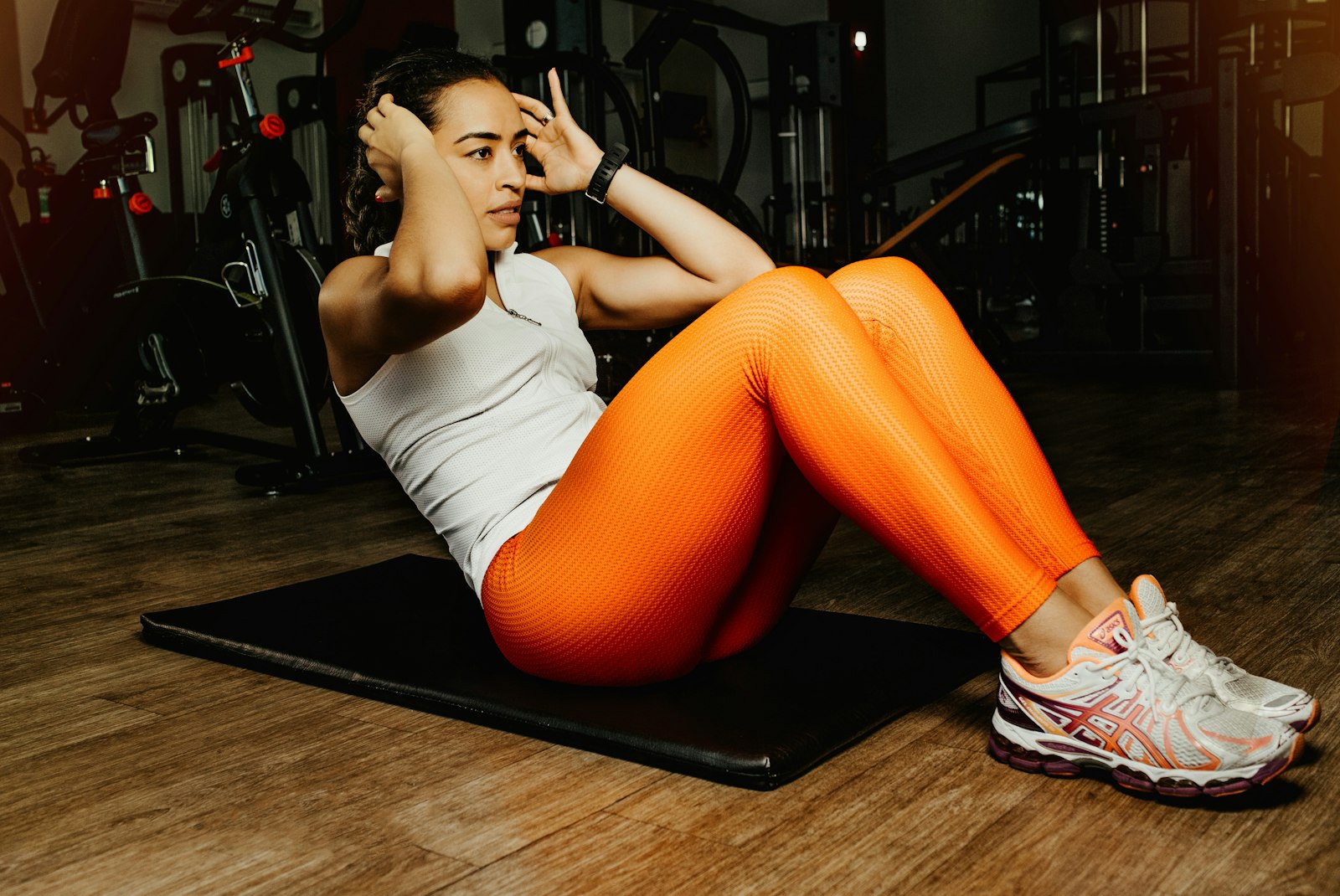
You know the moment. It’s been two weeks of push-ups against the kitchen counter, squats in the living room, maybe a YouTube workout squeezed in before work, and you catch yourself in the mirror thinking: is any of this actually doing anything?
Short answer: yes, probably — but not always in the dramatic way people expect.
With home workouts, many people notice early changes like better energy, less dread, and movements feeling less awkward in the first couple of weeks. More noticeable fitness changes usually take several weeks to a few months, depending on where you started, how consistently you train, and whether the workouts get harder over time. The honest answer is less “results in 14 days” and more count weeks, not workouts. The immediate-benefits part is real: CDC guidance says even a single session of moderate-to-vigorous physical activity can produce immediate benefits, including reduced short-term anxiety for adults.
The real timeline for home workout results
If you want the simple version, here it is:
What you may notice in the first 1–2 weeks
The earliest “results” are often not visual. They’re things like:
- getting less winded doing the same circuit
- feeling more coordinated in movements that felt clunky on day one
- less dread before starting
- a small mood lift after a session
- soreness becoming more manageable
Some benefits of physical activity happen right after a session, including brain-health benefits and reduced short-term feelings of anxiety, according to the CDC.
That matters because a lot of people quit in the exact window where progress is real but not yet photogenic.
What often shows up around 3–6 weeks
This is the phase where home workouts usually start to feel meaningfully easier. You may notice:
- more reps at the same difficulty
- better balance and control
- easier recovery between sessions
- a clearer routine that feels normal instead of forced
For beginners, the biggest jump tends to happen when you go from doing no resistance training to doing some resistance training consistently. ACSM’s 2026 resistance-training summary says it plainly: doing something is the biggest win, and you do not need a gym for meaningful progress. ACSM’s 2026 resistance-training infographic
That’s good news if your “home gym” is a mat, a chair, and vibes.
What often becomes more noticeable around 6–12 weeks
This is where people are more likely to say, “Okay, now I can tell something’s changed.” Depending on your routine and baseline, this might look like:
- stronger push, squat, or core endurance
- better posture and movement confidence
- clothes fitting a little differently
- more visible muscle tone
- a workout habit that no longer needs a pep talk every single time
The catch: this usually happens when the workouts stay challenging enough over time. If you do the exact same easy routine forever, your body gets efficient at it — which is great for competence, less great for continued adaptation. That’s why progression matters, even at home. ACSM’s recent guidance emphasizes consistency, individualized progression, and the fact that most advanced methods are optional. ACSM’s 2026 resistance-training infographic
Why home workout results can feel slower than expected
Usually it’s not because home workouts “don’t work.” It’s because people accidentally compare real life to highlight reels.
1. You’re measuring the wrong thing too early
If your only definition of progress is “I look different in the mirror,” you’ll miss a lot of real change.
Home workout progress often shows up first as:
- improved form
- more reps
- shorter breaks
- more consistency
- less friction starting
Those count. In fact, they’re usually the things that make the visible changes possible later.
2. Inconsistency stretches the timeline
This is the big one. Two workouts one week, none the next, then a burst of motivation on Sunday is not the same as a boring, repeatable plan done three times a week.
CDC guidance for adults recommends at least 150 minutes of moderate-intensity activity per week plus muscle-strengthening activity on 2 days a week. You do not need to be perfect, but you do need enough repetition for your body to get a clear signal. CDC’s adult activity recommendations
The problem usually isn’t you. It’s the strategy. Random effort feels hardworking, but consistency is what moves the timeline forward.
3. Your workouts never get harder
At home, progression is easy to ignore because there’s no obvious “add 10 pounds” moment like there is in a gym.
But you can still progress by:
- adding reps
- slowing the tempo
- reducing rest
- increasing range of motion
- moving from easier to harder variations
- adding another round
- increasing weekly frequency carefully
If you started with incline push-ups on a countertop, progression might mean moving to a bench, then a chair, then floor push-ups over time. Same exercise family, better challenge.
4. Recovery still matters, even at home
A home workout can look casual and still be hard enough to need recovery. If every session leaves you cooked, your next session suffers. If every session is so easy it barely registers, you stall for a different reason.
The sweet spot is usually challenging enough to adapt, manageable enough to repeat.
What affects how fast you’ll see results from home workouts?
A few things change the timeline more than people realize.
Your starting point
Beginners often notice progress faster than experienced exercisers, simply because there’s more room for improvement. Going from zero structure to a basic routine is a huge jump. ACSM explicitly notes that the biggest jump in results happens when someone moves from no resistance training to some. ACSM’s 2026 resistance-training infographic
If you used to train and you’re restarting, some things may come back faster than expected — but your first few weeks can still feel humbling.
Workout type
A steady walking routine, bodyweight strength plan, short HIIT sessions, and mobility work all create different kinds of results on different timelines.
If your goal is strength and muscle endurance, you’ll usually want regular muscle-strengthening work at least a couple of times per week, which lines up with public-health guidance. CDC’s adult activity recommendations
If your goal is just “feel better and stop feeling like a folded chair after work,” that timeline may be faster than you think.
Frequency
Three decent workouts every week usually beats one heroic workout plus guilt.
That’s not a sexy answer, but it’s the one that survives real life.
Sleep, food, and general life chaos
You do not need a perfect wellness routine to get results from home workouts. But if you’re underslept, underfed, stressed, and constantly skipping sessions, progress usually feels slower.
This is also why broad promises like “see results in 30 days” are mostly content marketing with better lighting.
What counts as “results” from home workouts?
This is worth getting clear on, because people ask the question in one of three different ways.
If you mean “feel better”
You may notice some benefits right away or within the first couple of weeks, especially around mood, confidence, and simply feeling better after movement. The CDC says a single session of moderate- to vigorous-intensity physical activity provides immediate benefits. CDC’s adult physical activity health benefits page
If you mean “get stronger”
You can start building strength with home workouts surprisingly well, especially as a beginner, but the visible proof usually lags behind the performance proof. A review in Cold Spring Harbor Perspectives in Medicine notes that in resistance-training studies lasting 8 to 12 weeks, early increases in strength are driven largely by neural adaptations, while increases in muscle mass tend to come later.
So if your squats feel steadier and your push-ups aren’t collapsing by rep four anymore, that is a real result.
If you mean “look different”
This usually takes longer than the internet wants to admit. A few weeks may be enough to feel a difference, but visible changes usually depend on training consistency over time, a routine that progresses, and your overall habits outside the workout itself. ACSM’s position-stand summary leans hard toward consistency and progression, not quick transformations. ACSM’s 2026 resistance-training infographic
A realistic expectation for most beginners
For most people starting home workouts from scratch, a fair expectation looks something like this:
- Weeks 1–2: “I did it” is the win. Less confusion, slightly better energy, first signs of coordination.
- Weeks 3–6: clearer fitness improvements, better tolerance for the sessions, maybe more reps or less rest.
- Weeks 6–12: more noticeable strength or endurance changes and a routine that starts to feel like part of your week instead of a random event.
That’s not a guarantee. It’s a sane frame.
And honestly, the most important result in month one is not visual. It’s whether you built something repeatable enough to still be alive in month two.
How to make home workouts work faster — without doing anything dumb
Not “faster” as in magical. Faster as in more likely to produce progress on a normal human timeline.
Pick a schedule you can actually keep
Two or three sessions a week you truly repeat will beat an ambitious six-day plan you abandon by Thursday.
Track one simple progress marker
Choose one:
- reps
- rounds
- session count per week
- how long you exercised
- a movement variation you’re working toward
If you don’t track anything, it’s easy to miss progress and assume nothing is happening.
Use progressive overload, even without weights
You don’t need a rack. You need a reason for your body to adapt.
Try:
- one extra rep per set
- one extra round
- slightly harder variation
- slower lowering phase
- less rest between rounds
Make the workouts small enough to survive bad days
A routine that only works when you’re motivated is a routine built for a fictional person.
Ten to twenty minutes done consistently still counts. WHO’s physical-activity guidance emphasizes that physical activity is beneficial to health and that adults can build toward recommended weekly totals; the point is movement you can actually repeat. WHO’s physical activity fact sheet
When home workouts are probably working — even if you can’t see it yet
A few green flags:
- you skip fewer sessions than before
- movements feel smoother
- everyday things feel easier
- you recover faster between rounds
- you don’t need a full internal debate before pressing play
That last one matters more than it sounds. A workout habit getting easier to start is a real adaptation too.
The honest tradeoff
Home workouts absolutely can work, especially for beginners and for anyone rebuilding consistency. But they do ask something from you: you have to create progression on purpose. At a gym, the environment kind of nudges intensity. At home, the couch is right there and your brain knows it.
So yes, home workouts can produce results. No, they are not automatically effective just because you’re sweating in your bedroom. The difference is usually whether the plan is repeatable and gradually harder over time.
If you keep quitting before the results show up
This is the part where the problem is often not effort. It’s friction.
If you’re trying to make home workouts stick, it helps to have one place that tracks the whole day instead of turning fitness into five separate apps and six forgotten tabs. That’s where OgamicX can fit naturally: workouts, meals, fasting, and streaks live together, and the app is free to download, no card. If you want structure, it includes bodyweight workout templates, and Ogi can check in when your routine starts getting wobbly. Just keep the promise modest: it can help reduce friction and keep you engaged, but it is not magic, and it does not replace showing up.
If you want the actual first step, start here: how to start working out at home. And if your bigger issue is falling off before the routine becomes normal, read streaks beat willpower. Because the people who see results from home workouts are usually not the people who found the perfect plan. They’re the people who found a plan they could keep.
Keep going:

Written by
The OgamicX Team
Tips, guides, and insight on fitness, nutrition, fasting, and building habits that last — from the team behind OgamicX.
About OgamicXFound this useful? Share it.