
Bodyweight Leg Workout at Home for Beginners
Bodyweight leg workout at home for beginners: a simple no-equipment routine, exact reps, and easy progressions you’ll actually want to repeat.
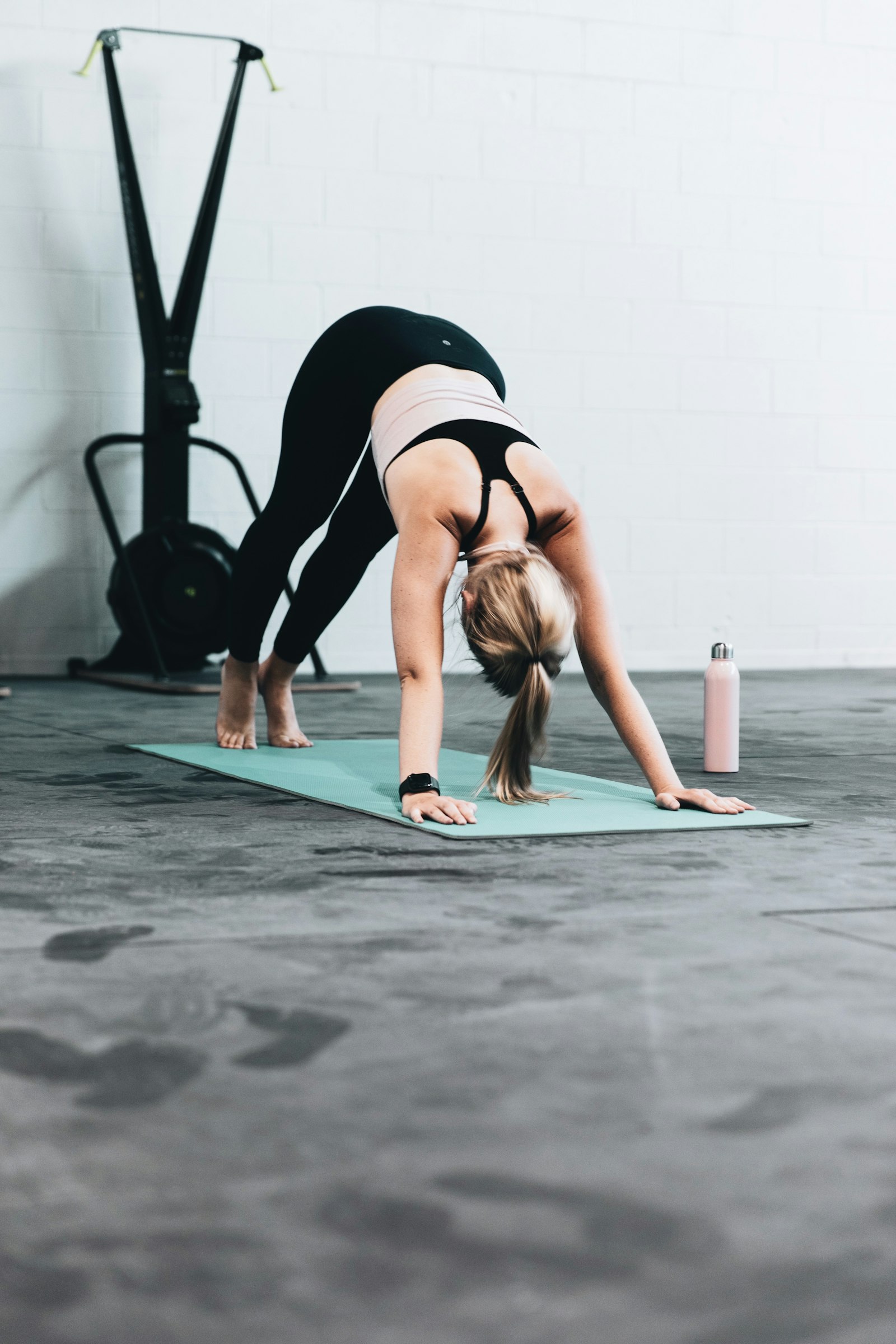
You do not need a squat rack to start training your legs. If you’re brand new, a simple bodyweight leg workout at home can absolutely count as real strength work — and public-health guidance still comes back to the same boring, useful baseline: adults should do muscle-strengthening work at least 2 days per week. (cdc.gov)
This plan is beginner-friendly on purpose: no equipment, no gym, no dramatic suffering required. You’ll get the exact exercises, the order, the reps, and how to make each move easier or harder without turning your living room into a bootcamp set.
A beginner bodyweight leg workout at home, no equipment
If you want the short version, do this 2 to 3 times per week with at least a day between harder leg sessions. That lines up with public-health guidance on muscle-strengthening frequency, and it’s also a sane place for a beginner to start. (cdc.gov)
The workout
- Chair or box squat — 2 to 3 sets of 8 to 12 reps
- Reverse lunge — 2 sets of 6 to 8 reps per side
- Glute bridge — 2 to 3 sets of 10 to 15 reps
- Wall sit — 2 sets of 20 to 40 seconds
- Calf raise — 2 to 3 sets of 12 to 20 reps
Rest about 45 to 75 seconds between sets. If that still feels like a lot, start with one set of each exercise and call that a win. The point at the beginning is not to crawl dramatically to the sofa. It’s to finish with enough left that you’ll come back.
If your bigger problem is consistency, not exercise selection, how to start working out at home is a good next read.
Why this bodyweight leg workout works for beginners
A good beginner leg workout does three things:
- trains the big patterns
- keeps the balance demands reasonable
- leaves enough in the tank that you’ll do it again
This routine covers the basics: a squat pattern, a single-leg pattern, hip extension, an isometric hold, and calves. That means your quads, glutes, hamstrings, and lower legs all get some work without equipment.
That simplicity is not a downgrade. NHS guidance on home strength exercise leans the same way: straightforward, accessible movements you can do at home with little setup are still valid strength work. (nhs.uk)
How to warm up before your at-home leg workout
Do 3 to 5 minutes before you start. Nothing complicated.
Quick beginner warm-up
- March in place for 30 to 60 seconds
- 10 bodyweight good mornings
- 10 half squats
- 5 reverse lunges per side, shallow range
- 10 ankle rocks per side
Your warm-up is just there to make the first working set feel less rude. You do not need a 20-minute mobility ritual to earn the right to squat in your bedroom.
Exercise 1: Chair squat
If regular bodyweight squats feel awkward, use a chair, couch edge, or bed as a depth target.
How to do it
- Stand with feet about hip- to shoulder-width apart.
- Reach your hips back and bend your knees.
- Lower until you lightly touch the chair.
- Stand back up by pressing through your feet.
What to focus on
Keep your chest up, feet planted, and knees moving in the same general direction as your toes. Think controlled, not dramatic.
Beginner target
2 to 3 sets of 8 to 12 reps
Make it easier
- Sit fully, then stand
- Use a taller chair
- Reduce range of motion
Make it harder
- Pause for 1 to 2 seconds at the bottom
- Slow the lowering phase
- Progress to a regular bodyweight squat
Exercise 2: Reverse lunge
Forward lunges can feel a little chaotic when you’re new. Reverse lunges are usually easier to control because stepping back tends to make the balance side of the move friendlier.
How to do it
- Stand tall.
- Step one foot back.
- Bend both knees under control.
- Push through the front foot to return to standing.
- Do all reps on one side or alternate.
What to focus on
Stay tall, move slowly, and use a shallow range at first if needed. If balance is sketchy, hold a wall or chair.
Beginner target
2 sets of 6 to 8 reps per side
Make it easier
- Hold onto support
- Shorten the step back
- Reduce how low you go
Make it harder
- Add a pause at the bottom
- Increase to 10 reps per side
- Turn it into a split squat with your feet staying planted
Exercise 3: Glute bridge
This is your “learn to use your hips” move. It looks easy, then your glutes wake up and file a formal complaint.
How to do it
- Lie on your back with knees bent and feet flat.
- Press through your feet and lift your hips.
- Squeeze your glutes at the top.
- Lower with control.
What to focus on
Think “ribs down, hips up” rather than cranking your lower back into the air. The goal is hip extension, not turning it into a dramatic backbend.
Beginner target
2 to 3 sets of 10 to 15 reps
Make it easier
- Reduce range of motion
- Pause briefly at the top instead of holding long
Make it harder
- Hold the top for 2 to 3 seconds
- Use a single-leg bridge later, not on day one
Exercise 4: Wall sit
This one is gloriously simple: you sit against a wall and question your life choices for a very manageable amount of time.
How to do it
- Stand with your back against a wall.
- Slide down until your knees are bent to a comfortable angle.
- Hold the position.
- Stand up when the timer ends.
What to focus on
Keep your whole foot grounded. You do not need a perfect 90-degree knee angle as a beginner. A higher position is fine if that lets you hold it well.
Beginner target
2 sets of 20 to 40 seconds
Make it easier
- Sit higher on the wall
- Hold for 15 to 20 seconds
Make it harder
- Hold for 45 to 60 seconds
- Add an extra set
Exercise 5: Calf raise
Beginner leg workouts forget calves all the time, which is a little rude because they matter for everyday movement too.
How to do it
- Stand near a wall or chair if needed.
- Rise onto your toes.
- Pause briefly.
- Lower slowly.
What to focus on
Move through the biggest comfortable range you can control. Don’t bounce.
Beginner target
2 to 3 sets of 12 to 20 reps
Make it easier
- Use support for balance
- Do fewer reps
Make it harder
- Pause longer at the top
- Slow the lowering phase
- Progress to single-leg calf raises
If you are very new, start with this even simpler version
If the full workout feels like too much, do this 10-minute version:
- Chair squat — 1 set of 8
- Glute bridge — 1 set of 10
- Wall sit — 1 set of 20 seconds
- Calf raise — 1 set of 12
- Optional: reverse lunge — 1 set of 5 per side with support
That is enough for a first session. Seriously. Beginners quit all the time because they confuse “effective” with “maximal.” The better plan is the one that survives a normal Tuesday.
How often should beginners do a bodyweight leg workout at home?
A good starting point is 2 non-consecutive days per week. If you recover well and want more, go to 3 days per week. That’s consistent with CDC guidance to do muscle-strengthening work at least 2 days weekly, and with current ACSM guidance to train major muscle groups at least 2 days per week and build gradually. (cdc.gov)
A simple weekly rhythm could look like this:
- Monday: leg workout
- Wednesday: upper body or walk
- Friday: leg workout
You do not need daily leg training. Your muscles need practice, but they also need recovery.
How hard should this beginner leg workout feel?
Aim for a set that feels like you could maybe do 2 or 3 more reps with good form when you stop. That keeps the effort real without turning every set into a survival test.
If you finish and think, “I definitely had more there,” that’s fine. For your first few weeks, leaving a little in the tank is smart. The skill you’re really building is repeatability.
The most common beginner mistakes
Doing too much on day one
The classic move: one motivational spike, four extra sets, then three days of waddling. Start smaller than your ego wants.
Rushing the reps
Fast reps let momentum do the work. Slow down enough to actually own the movement.
Picking exercises that are too advanced
If pistol squats are on your beginner plan, someone on the internet got carried away.
Skipping the single-leg work
Lunges and split-stance movements are annoying for a reason: they expose the left-right differences you’d rather not think about.
Changing the workout every week
You do not need novelty yet. You need enough repetition to get better at the basics. If that’s the part you struggle with, streaks beat willpower is the bigger conversation.
How to progress this no-equipment leg workout
Once this routine starts feeling solid, use one of these progression methods:
1. Add reps
Move from 8 reps to 10, then 12.
2. Add a set
Go from 2 sets to 3.
3. Slow the lowering phase
Take 3 seconds down on squats or lunges.
4. Add a pause
Pause at the bottom of a squat or lunge for 1 to 2 seconds.
5. Increase range of motion
Squat a little deeper or lunge a little lower, if it stays comfortable and controlled.
These are boring progressions. I mean that as a compliment. Boring progressions are usually the ones that stick.
When to move beyond beginner bodyweight leg workouts
You’re ready for the next step when:
- 3 sets feel manageable
- your balance is improving
- your reps look controlled
- you’re recovering well between sessions
At that point, you can move toward tougher variations like split squats, step-ups, tempo squats, single-leg bridges, or longer wall sits. If you want the next step after this, make home workouts more effective should be next in your queue.
The honest tradeoffs of a bodyweight leg workout at home
Bodyweight leg training is excellent for beginners because it removes friction. No equipment. No commute. No “I’ll start when I have the right setup.” That matters.
The honest tradeoff is that eventually, lower-body strength can outgrow pure bodyweight work faster than upper-body work does. Legs are strong. At some point, harder variations, slower tempos, more volume, or external resistance help. But that is a later problem. If you are currently doing zero leg training, bodyweight is not the compromise plan. It is the right starting plan.
A simple 4-week beginner plan
If you want structure, use this:
Week 1
- 1 to 2 sets per exercise
- stay on the lower end of the rep ranges
Week 2
- 2 sets per exercise
- add a few reps where you can
Week 3
- 2 to 3 sets on squats, bridges, and calf raises
- keep lunges controlled, not heroic
Week 4
- add a pause or slower lowering phase on one or two movements
That’s enough to build momentum without pretending your first month needs elite periodization.
Where OgamicX fits, if you want help sticking with it
This part only matters if your actual problem is not “what exercises do I do?” but “why do I keep forgetting to do them after five days?”
If that’s you, the useful bit in OgamicX is the consistency side, not some magic leg-day secret. You can follow home workouts, keep a unified streak alive when you train, and get check-ins from Ogi through the Care Plan if your routine starts slipping. It’s free to download, no card, and it makes the boring part of fitness — showing up again — a little easier to keep doing.
The best beginner leg workout is the one you’ll repeat
So start here:
- chair squats
- reverse lunges
- glute bridges
- wall sits
- calf raises
Do it twice this week. Keep the reps clean. Stop before your form falls apart. Then do it again next week.
That’s the whole game at the beginning. Not intensity. Not punishment. Just enough leg work, done often enough, that your body stops treating it like a surprise.
Keep going:
- Beginner Home Workout Routine From Scratch
- Full Body Bodyweight Workout for Absolute Beginners
- How to Warm Up Before a Home Workout
- How to Progress Bodyweight Workouts Without Weights
- Track Home Workout Progress Without a Gym
- How to Wake Up Early to Exercise (For Real)
- Morning Workout Routine at Home (No Equipment)
- At Home Couples Workout No Equipment That Sticks

Written by
The OgamicX Team
Tips, guides, and insight on fitness, nutrition, fasting, and building habits that last — from the team behind OgamicX.
About OgamicXFound this useful? Share it.