
Full Body Bodyweight Workout for Absolute Beginners
Full body bodyweight workout for absolute beginners: 6 simple moves, 15–20 minutes, and a realistic plan you can actually repeat at home.
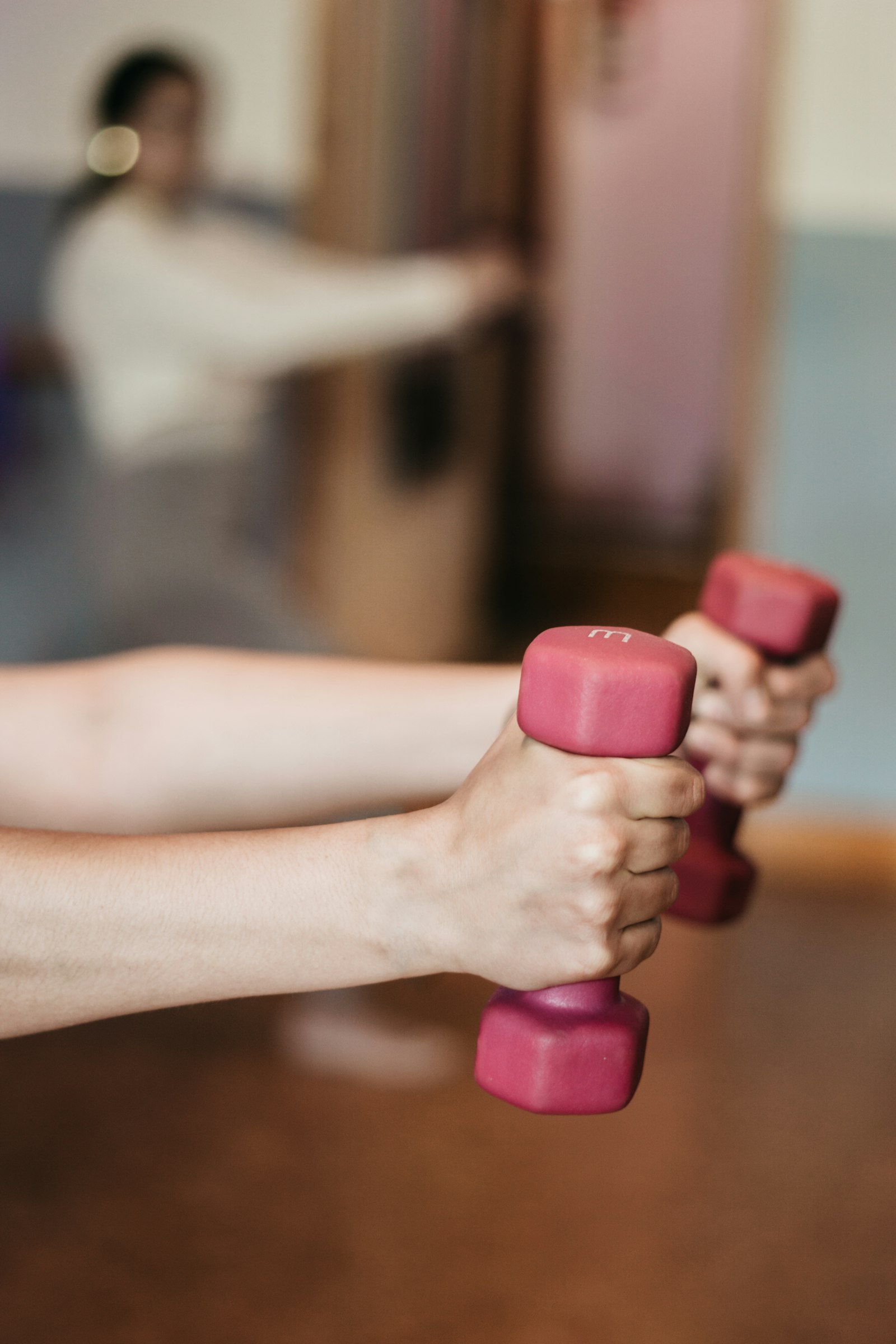
You know the moment. You clear a little space on the floor, maybe move a chair out of the way, and then immediately realize you have no idea what a “beginner workout” is supposed to look like. Too many routines start at “10 push-ups, 20 lunges, 30 burpees” like everyone casually wakes up ready for that.
If you want a full body bodyweight workout for absolute beginners, here’s the real answer: start with 6 simple moves, keep it to about 15 to 20 minutes, and do it 2 to 3 times per week. That fits public-health guidance to include muscle-strengthening work at least 2 days per week, and it gives you a routine you can actually repeat instead of a day-one punishment circuit. CDC’s adult activity guidance says adults should do muscle-strengthening activity at least twice weekly.
And yes, simple is fine. The bigger win at the beginning is not finding the most elite routine. It’s finding one you’ll still do next week.
The beginner full body bodyweight workout
Do this workout 2 to 3 times per week, with at least a day between sessions if you’re sore or wiped out. That’s a sensible beginner frequency, and it lines up with guidance to train major muscle groups regularly. The American College of Sports Medicine’s recent resistance-training overview makes the same boring-but-useful point: train all major muscle groups at least 2 days per week and build gradually over time, and the best plan is the one you’ll actually do. See ACSM’s resistance-training guidance.
The 6-move routine
- Chair squat – 8 to 10 reps
- Wall push-up – 8 to 10 reps
- Glute bridge – 10 to 12 reps
- Bird dog – 6 to 8 reps per side
- Reverse lunge hold or split squat assist – 5 to 6 reps per side
- Dead bug – 6 to 8 reps per side
Rest 30 to 60 seconds between moves if you need it.
Complete 1 to 3 rounds total.
If that already sounds like a lot, start with 1 round. The win is finishing feeling like you could probably do it again tomorrow, not crawling away from your rug questioning your life choices.
Why this full body bodyweight workout works for absolute beginners
A beginner workout should do three things:
- hit the main movement patterns
- stay simple enough to repeat
- leave some gas in the tank
This routine covers legs, glutes, chest, shoulders, core, and basic balance/stability without requiring equipment or advanced coordination. That matters more than chasing “hard” for its own sake. ACSM’s current guidance emphasizes covering the major muscle groups and progressing gradually rather than overcomplicating the setup. That’s exactly what a starter routine should do.
How to do each exercise
1. Chair squat
What it works: thighs, glutes, basic lower-body strength
Stand in front of a chair or couch cushion. Sit back until you lightly touch it, then stand back up. If needed, use your hands on your thighs a little on the way up.
Beginner cues:
- Feet about hip- to shoulder-width apart
- Think “sit down” instead of “knees forward”
- Keep your chest tall
- Touch the chair lightly, don’t fully collapse onto it
Too hard? Use a higher surface.
Too easy? Pause for 1 second just above the chair before standing.
2. Wall push-up
What it works: chest, shoulders, triceps
Put your hands on a wall around chest height and step your feet back. Lower your chest toward the wall, then press away.
Beginner cues:
- Body stays straight from head to heel
- Hands slightly wider than shoulders
- Elbows don’t need to flare way out
- Move slowly enough that you stay in control
Too hard? Stand closer to the wall.
Too easy? Use a countertop or sturdy bench instead of a wall.
3. Glute bridge
What it works: glutes, hamstrings, core
Lie on your back with knees bent and feet flat. Press through your feet and lift your hips until your body makes a gentle line from shoulders to knees.
Beginner cues:
- Keep ribs down
- Squeeze your butt at the top
- Don’t over-arch your lower back
- Lower with control
Too hard? Do fewer reps and pause between each one.
Too easy? Hold the top for 2 to 3 seconds.
4. Bird dog
What it works: core, balance, coordination, back-side stability
Start on hands and knees. Reach one arm forward and the opposite leg back, then return and switch sides.
Beginner cues:
- Move slowly
- Keep hips level
- Don’t worry about reaching super far
- Think “steady,” not “big”
Too hard? Only move the arms or only move the legs.
Too easy? Pause for 2 seconds at full reach.
5. Reverse lunge hold or split squat assist
What it works: legs, glutes, balance
For true beginners, the assisted version usually beats throwing yourself into full lunges right away. Hold onto a chair, step one foot back, and lower a little into a split stance. Then come back up.
Beginner cues:
- Keep most of your weight on the front foot
- Hold the chair or wall for balance
- Use a short range of motion at first
- Smooth reps beat deep reps
Too hard? Turn it into a static hold for 10 to 15 seconds per side.
Too easy? Go a little deeper or remove some hand support.
6. Dead bug
What it works: core control
Lie on your back with arms up and knees bent at 90 degrees. Slowly lower one arm and the opposite leg, then return and switch.
Beginner cues:
- Lower back stays gently pressed toward the floor
- Move one slow rep at a time
- Smaller range is completely fine
- If your back arches, shorten the movement
Too hard? Just tap one heel down at a time.
Too easy? Add a 1-second pause at full extension.
A simple beginner workout format to follow
If you want the easiest possible template, use this:
Week 1
- 2 workouts
- 1 round each
- Stop each set with 2 to 3 reps still in the tank
Week 2
- 2 to 3 workouts
- 2 rounds each
- Keep reps the same unless they feel very easy
Week 3
- Add a few reps to 1 or 2 exercises
or - Keep reps the same and clean up your form
or - Reduce support a little, like wall push-ups to countertop push-ups
That kind of progression is boring on paper and very effective in real life. You do not need to “confuse your muscles.” You need to repeat something often enough that your body learns it and your brain stops treating workouts like an emergency. ACSM’s recent guidance supports the bigger idea here: consistency and gradual progression matter more than making the setup complicated.
If you want help turning this from a one-off session into an actual routine, how to start working out at home is the natural next step.
How hard should a bodyweight workout for absolute beginners feel?
A good beginner session should feel like moderate effort. You should be breathing a bit harder, your muscles should notice it, and you should still be able to finish with decent form.
A useful rule: end most sets feeling like you could have done 2 more reps.
That matters because a lot of beginners quit not because exercise “isn’t for them,” but because they accidentally start with a punishment circuit from someone who hasn’t been a beginner in ten years. Public-health guidance is also clear that some activity is better than none, and benefits start with small amounts too. That’s straight from the.
Warm up in 3 minutes
You do not need a dramatic 15-minute warm-up video. Try this:
- 30 seconds marching in place
- 30 seconds arm circles
- 30 seconds sit-to-stand from a chair
- 30 seconds easy wall push-ups
- 30 seconds hip hinges
- 30 seconds gentle torso twists
The point is just to go from “sitting person” to “ready to move.”
Common mistakes beginners make
Starting with too many exercises
Six moves is enough for a true full-body beginner workout. Ten to twelve usually turns into junk volume and confusion.
Going too hard on day one
If your first workout wrecks you for four days, that’s not proof it worked better. It’s usually proof the dose was wrong.
Picking advanced versions too early
Floor push-ups, jump squats, and long plank holds can wait. Regression is not cheating. It’s how beginners actually train consistently.
Changing the routine every session
For the first few weeks, repetition helps. You’re not just building strength. You’re building familiarity, confidence, and a sense that this is manageable.
What results should absolute beginners expect?
Mostly, expect the workout to feel less weird before it feels impressive.
In the first couple of weeks, the biggest changes are often:
- better coordination
- less “what am I supposed to do with my body?” energy
- slightly easier reps
- less dread before starting
That’s normal. The honest timeline is weeks and months, not magic in ten days. The federal physical activity guidelines make the same broader point: benefits can start accumulating with small amounts of activity and build over time. See the Physical Activity Guidelines for Americans, 2nd edition.
If that fear in your head is really “what happens when I miss a day,” read what to do when you miss a workout day. That’s usually the moment people either keep going or quietly disappear.
If this workout still feels too hard
Use the tiny version:
- Chair squat – 5 reps
- Wall push-up – 5 reps
- Glute bridge – 6 reps
- Bird dog – 4 per side
- Split squat assist – 4 per side
- Dead bug – 4 per side
Do one round only.
That still counts. Seriously. A beginner plan only works if it meets the version of you who exists today, not the one you imagine showing up next month.
If this workout feels too easy
Good. That means you can progress without needing a whole new identity.
Try one change at a time:
- add 2 reps per exercise
- add a second or third round
- shorten rest a little
- use a harder variation, like incline push-ups instead of wall push-ups
- slow the lowering phase to 3 seconds
You don’t need all five. Pick one.
How often to do this full body bodyweight workout
For most absolute beginners, this is a solid plan:
- Monday: full-body workout
- Wednesday or Thursday: full-body workout
- Saturday optional: repeat one round or go for a walk
That setup gives you practice without making your week revolve around exercise. And again, it matches the basic recommendation to include muscle-strengthening work at least twice weekly from the CDC adult guidelines.
When to move on from this beginner bodyweight workout
Stick with it until:
- the exercises feel familiar
- your reps look cleaner
- 2 rounds feels pretty manageable
- you’re finishing without that “everything is chaos” feeling
For a lot of people, that’s 3 to 6 weeks. Then you can progress into harder bodyweight variations or a more structured home routine.
The honest tradeoff
A simple full body bodyweight workout is great for starting. It is not the final form of training for every person forever.
At some point, if you want more challenge, you may want:
- harder exercise variations
- dumbbells or bands
- more structured progression
- more workout variety
But none of that changes the job of your first routine. The first routine is supposed to be clear enough to begin and repeatable enough to keep.
Where OgamicX fits, if you want help sticking with it
This is the part where a lot of apps overpromise. So here’s the honest version: an app won’t magically do the workout for you. What it can do is remove some of the friction that makes beginners stop opening the app by week two.
If you like having your workouts in one place, OgamicX has 30 prebuilt bodyweight templates for home and no-equipment training, and the free tier lets you keep up to 3 active template enrollments at once. The app also keeps a unified streak, so a workout, nutrition logging, or a completed fasting window all count toward the same chain instead of scattering your effort across five different apps. It’s free to download, no card.
That’s useful if your real problem is not “I need a more elite program.” It’s “I need a simple plan I’ll keep opening.”
The bottom line
A good full body bodyweight workout for absolute beginners is not fancy. It’s clear, repeatable, and just challenging enough to wake your body up without making you dread the next session.
Start with:
- 6 basic movements
- 1 to 2 rounds
- 2 to 3 days per week
- a little left in the tank
That’s enough. The goal right now is not to prove anything. It’s to become the kind of person who can do one full-body workout at home and come back again in two days.
Keep going:
- Beginner Home Workout Routine From Scratch
- The 10-Minute Workout for Busy People (No Gym)
- How Long Until You See Results From Home Workouts?
- At-Home Workouts for Parents (No Gym Needed)
- How to Wake Up Early to Exercise (For Real)
- How to Warm Up Before a Home Workout
- Bodyweight Leg Workout at Home for Beginners

Written by
The OgamicX Team
Tips, guides, and insight on fitness, nutrition, fasting, and building habits that last — from the team behind OgamicX.
About OgamicXFound this useful? Share it.