
Home Workout vs Gym for Weight Loss: Which Wins?
The venue matters least. Fat loss comes down to the routine you'll actually keep — decided on the only terms that count: adherence, not out-eating it.
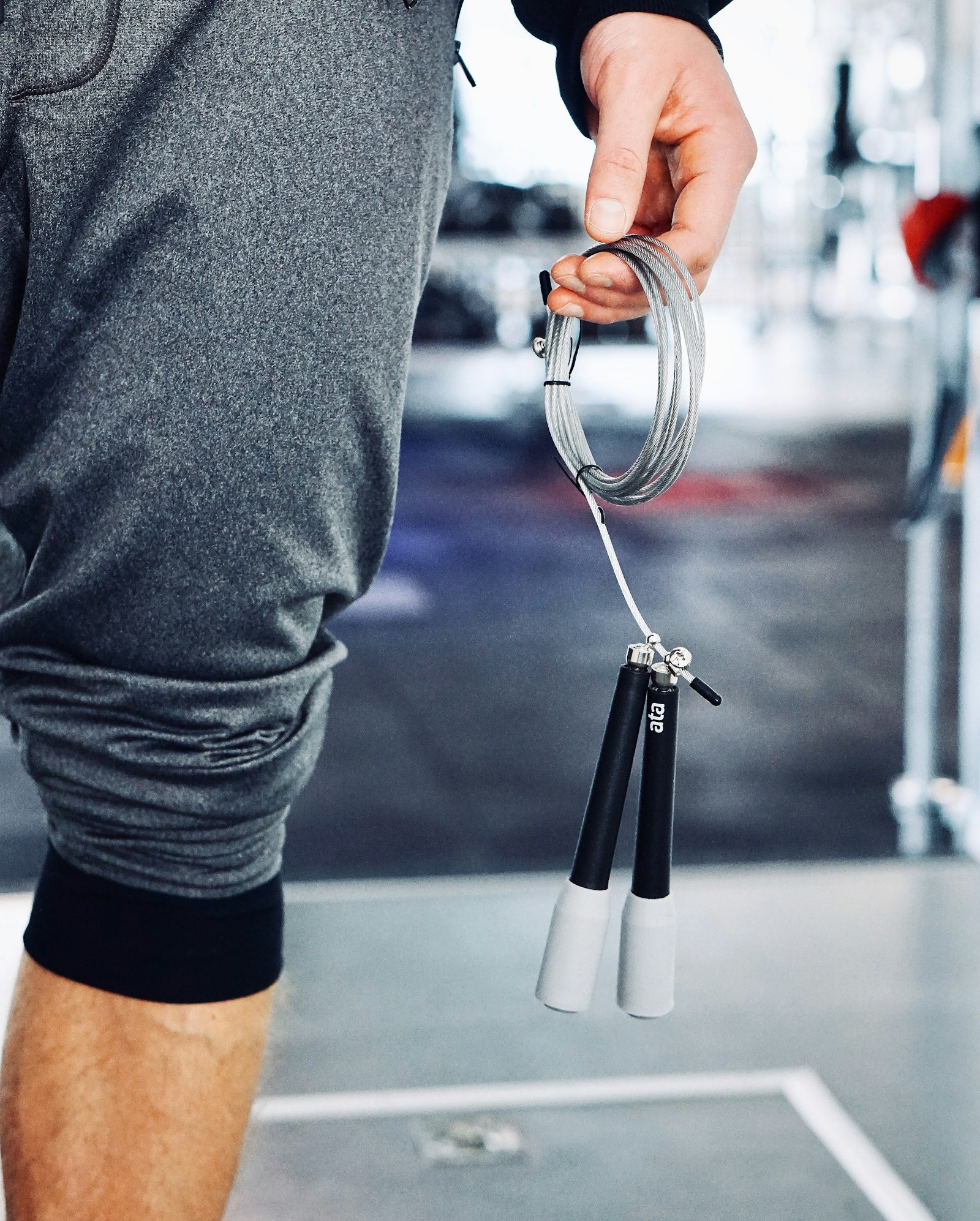
If you’re trying to lose fat and you’re stuck on “should I join a gym or just work out at home?”, here’s some good news: you’re agonizing over the variable that matters least. The venue is not what decides whether you lose fat. The gym has better equipment, more classes, and a shinier locker room — and none of that is the thing that gets you leaner. The thing that gets you leaner is boring, it’s the same in both buildings, and it’s almost entirely about which routine you’ll actually keep. Let’s settle the home workout vs gym for weight loss debate on the only terms that count.
The real question: what actually drives fat loss?
Before you can compare home and gym fairly, you have to know what you’re comparing them on. And fat loss has exactly one mechanism underneath every diet and every workout: a calorie deficit. Your body burns a certain amount of energy each day; when you consistently take in a bit less than that, it makes up the difference from stored energy, mostly fat. As the NIH puts it plainly, take in more energy than you use and your body stores the extra as fat — the arrow runs the other way when you flip the balance. That’s it. That’s the engine. We unpack the whole thing in calorie deficit explained, but the one-line version is: no deficit, no fat loss, no matter how good the gym is.
Here’s the part that reframes the entire home-vs-gym question: the deficit happens in the kitchen, not the workout. Exercise burns meaningfully fewer calories than people assume, and it’s easy to eat back an entire session in a few minutes. Workouts absolutely help — they protect muscle, improve your conditioning, lift your mood, and add to the “out” side — but the deficit itself is overwhelmingly built by what you eat. Which means the gym’s home-court advantage (fancier cardio machines, more weight) is advantageous for fitness, and barely relevant to the deficit that actually moves the needle.
So compare them on the only thing that differs: adherence
If the fat-loss mechanism is identical in both places, then the home-vs-gym question reduces to a single tiebreaker: which one will you consistently do for months, not weeks? Because results come from the routine you keep, not the routine that looks best on day one.
This isn’t a vibe — it’s one of the most reliable findings in the whole field. A classic JAMA trial compared four popular diets (Atkins, Ornish, Zone, Weight Watchers) and found that the type of plan barely predicted results at all — what predicted them was adherence. The researchers reported weight change was associated with how well people stuck to their plan, “but not with diet type.” Sustained adherence was the headline variable, not the brand of the program.
Swap “diet type” for “workout venue” and the logic transfers cleanly. The best fat-loss setup isn’t the one with the most equipment — it’s the one you’ll still be doing next season. And on that single metric, home has some quiet structural advantages.
Where home genuinely wins (and it’s the part that matters)
Adherence is mostly a game of friction: every barrier between you and the workout is a chance to skip it, and skipped workouts are where routines die. Look at the friction honestly:
- No commute. The drive to the gym, the parking, the drive home — for a lot of people that’s 30–45 minutes of overhead bolted onto every session. On a busy or low-motivation day, that overhead is exactly what tips “I’ll go later” into “I’ll go tomorrow” into never.
- No packing, no scheduling around hours, no waiting for equipment. At home the workout is always right there. Roll out of bed, do it, move on. The lower the barrier, the more sessions happen — and more sessions is the entire point.
- No audience. If the gym makes you self-conscious — and for a huge number of people it quietly does — that’s not a small thing, it’s a recurring reason to bail. Training where nobody’s watching removes a whole category of skipped days. (If that’s you specifically, working out at home when the gym gives you anxiety is worth a read.)
- It survives bad days. The real test of a routine isn’t the motivated week — it’s the tired, busy, rainy week. A 20-minute living-room session is something you’ll still do when “drive to the gym” is a hard no. Surviving the bad weeks is how a routine compounds.
The evidence holds up here too. A randomized trial comparing gym-based exercise to home-based exercise as long-term maintenance programs found “similar long-term clinical outcomes and long-term exercise adherence” between them. Same outcomes, same staying power — but home gets you there with a fraction of the friction. For most people chasing fat loss, lower friction doesn’t mean “almost as good.” It means more sessions actually completed, which is the whole thing.
Being fair: where the gym helps
We’re not going to pretend the gym is useless, because that’s not honest and you’d see right through it. The gym genuinely offers some things:
- Heavier, more varied loading for preserving and building muscle in a deficit — which matters, because the muscle you keep is what keeps your physique looking like you trained rather than just shrank. (Good news: you can do this at home too — see do bodyweight workouts build muscle.)
- The “leaving the house” ritual that flips a mental switch for some people. If driving somewhere is genuinely what makes you show up, that’s a real adherence advantage — pick the gym.
- Classes and community that some people find motivating enough to keep them consistent. Adherence is the goal; if a spin class is what you’ll actually attend, that’s a point for the gym, full stop.
See the pattern? Even the gym’s best arguments route right back to adherence. The gym wins for the specific person who’ll show up more because of it. For most people, the friction runs the other way.
The deciding move, either way: don’t out-eat it
Whichever venue you pick, the same rule decides whether it works: you cannot out-train a too-big diet. Because the deficit lives in the kitchen, the highest-leverage thing you can do isn’t choosing a building — it’s getting the food side roughly right. You can even run a successful deficit with no workouts at all on the food side alone (we don’t recommend skipping exercise — it protects muscle and your mood — but it proves where the engine is).
So pick the venue you’ll adhere to, and let the workouts do their real jobs: keeping your muscle, training your heart, and burning a bit extra on top. If conditioning is part of your goal, both HIIT and zone 2 cardio work fine in a living room. The deficit does the fat loss; the training makes sure what’s left underneath looks and feels strong.
What your home workout should actually do for fat loss
Since the deficit lives in the kitchen, it’s easy to swing too far and think workouts don’t matter for fat loss at all. They do — just not in the way most people think. Their job isn’t to “burn off” the deficit; it’s to shape what’s happening underneath it. Two roles matter most:
- Protect your muscle. When you’re in a deficit, your body can pull from muscle as well as fat unless you give it a reason not to. Strength training — yes, bodyweight strength training — is that reason. It signals “keep this tissue, it’s being used,” so more of what you lose comes from fat stores and what’s left is firm and strong rather than soft. This is the difference between simply getting smaller and actually looking like you train. (Bodyweight handles this fine — see do bodyweight workouts build muscle.)
- Add to the “out” side, sustainably. Conditioning work nudges your daily energy expenditure up and improves your heart and lungs. Both HIIT and steadier zone 2 cardio do this, both run in a living room, and the “best” one is — say it with me — the one you’ll keep doing.
So the ideal home setup for fat loss is some bodyweight strength to hold your muscle plus some conditioning you enjoy enough to repeat, sitting on top of a deficit you can sustain. Notice none of that requires a gym. It requires a routine and a kitchen.
The mistake that quietly stalls home fat loss
The most common way home fat-loss efforts stall isn’t the workout — it’s the invisible drift on the food side. People crush a session, feel they’ve “earned it,” and eat back more than the whole workout cost, erasing the deficit without noticing. Then they blame the home setup. The workout was never the problem; the unmonitored kitchen was.
The fix isn’t punishing yourself — it’s awareness. You don’t have to track every crumb forever, but knowing roughly where your intake lands keeps the deficit real instead of imaginary. And practically, this is freeing: it means your fat loss does not depend on a gym, a machine, or a class. It depends on a routine you keep and a deficit you actually run. Both of those are fully available at home, on a busy schedule, for free.
Where an app tips the adherence math
If adherence is the whole game, then the real question isn’t “home or gym?” — it’s “what makes me consistent?” And consistency is less about willpower than about removing friction and adding small reasons to show up. That’s squarely what OgamicX is built to do for the home side. The prebuilt bodyweight templates mean you never open the app wondering what to do — the session’s already there, no equipment, no commute, no excuses. And every workout you complete feeds one unified streak, which turns out to be a sneaky-powerful adherence tool: on the days motivation’s gone, “don’t break the streak” is often the small nudge that gets the session done. Streak Shields cover the genuinely impossible days so one miss doesn’t nuke your momentum and tank the whole routine. It’s free to start (no trial, no card) — three active templates and the tracking are free forever. The app isn’t doing the fat loss; it’s protecting the one variable that does — the routine you keep.
The bottom line
Home workout vs gym for weight loss is the wrong fight. Fat loss comes from a calorie deficit you build mostly in the kitchen, and that deficit is identical in both buildings — so the only thing that actually differs is which routine you’ll stick to. On adherence, home has the structural edge for most people: less friction, no commute, no audience, and it survives the bad weeks that kill routines. The gym wins for the specific person it makes show up more. Pick the venue you’ll keep, get the food side roughly right, and let consistency do the slow, boring, undefeated work. Still not sure a home routine can hold up overall? Start with the proof: are home workouts effective.
Keep going:

Written by
The OgamicX Team
Tips, guides, and insight on fitness, nutrition, fasting, and building habits that last — from the team behind OgamicX.
About OgamicXFound this useful? Share it.